
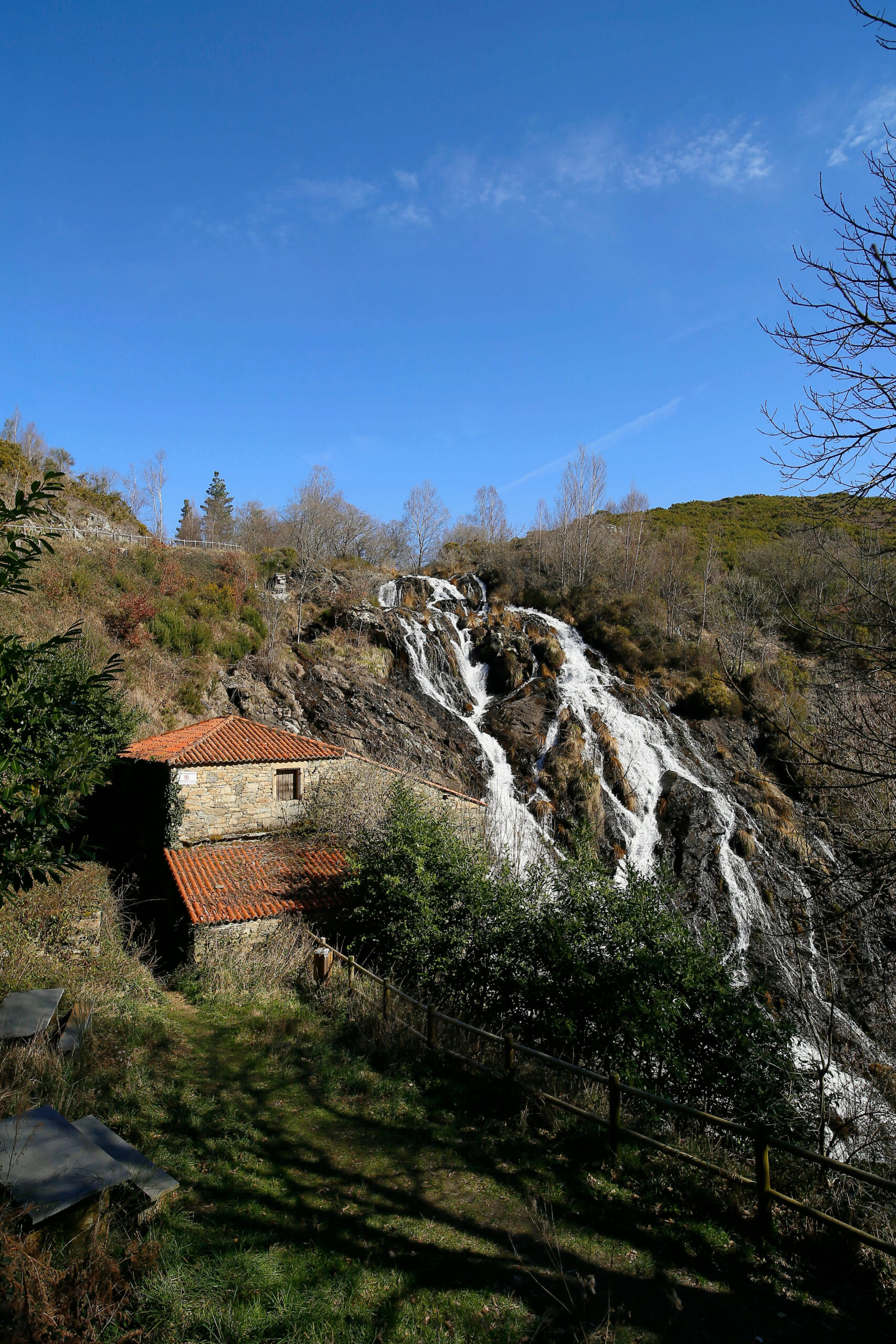
Arzúa and Melide, the agricultural and gastronomic heart of Galicia
The Jacobean Route marks the character of the regions of Arzúa and Melide. The French Way, the most popular route among pilgrims who travel to Santiago, in which other less used paths converge, crosses these lands full of art, nature and possibilities for the organization of meetings and incentive trips.
The municipalities of Melide, Santiso, Sobrado and Toques form the region of Terra de Melide. The regional capital has a multipurpose centre capable of hosting meetings of various sizes and hotels (such as the Lux) linked to the Camino and rural tourism. The town has grown around the Route (right at its entrance is the unique bridge and urban complex of Furelos) and preserves a small historic centre that reflects its importance as the economic centre of the region. Among its most important pieces is a Gothic cross that has greeted pilgrims since the fourteenth century. Melide is known by walkers for its gastronomy: only in this town are desserts such as rich (with a lard base) or almond melindres made, and some of the most famous pulperías in Galicia (such as the Ezequiel restaurant) are located in its urban area, without forgetting that this is one of the key areas for the production of Galician beef.
Experience trips
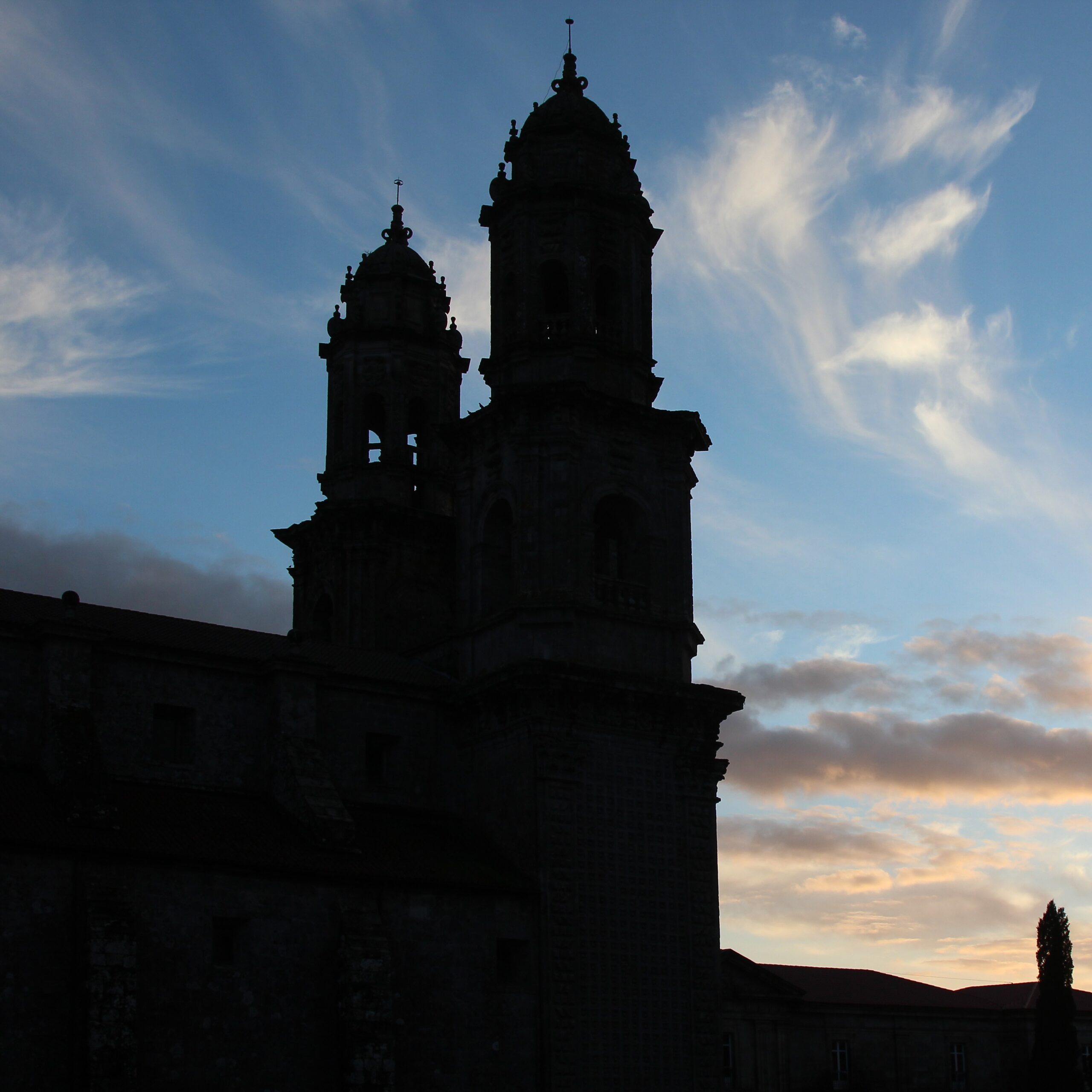
A trip to this area of the province of A Coruña cannot overlook the monastery of Santa María de Sobrado dos Monxes. Founded in the 10th century and with a predominantly Baroque design, the imposing monastery testifies to the wealth it amassed over centuries, when it was one of the largest landowners in all of Galicia. Today it offers guided tours to groups through much of its structure, and hosts concerts and unique activities with its cloisters as a backdrop. In Sobrado you will also find the Roman settlement of A Ciadella, which can be visited to learn how an entire division of imperial infantry lived during the imperial era. The historical heritage of the Terras de Melide is, as can be seen, much older than the Middle Ages. Another example is the church of San Antolín, in Toques, of pre-Romanesque origin and nestled in a dense riverside forest.
Sobrado is also a municipality full of natural heritage. Its lagoon and the wetlands that surround it are ideal for organising a birdwatching outing, and the starting point for numerous routes through the Mariñas Coruñesas e Terras do Mandeo Biosphere Reserve, the river that rises in the O Careón mountain range.
Know the gastronomic resources
The other large town in this inland area of A Coruña is Arzúa, the head of the region to which it gives its name and which also includes the municipalities of Boimorto, O Pino and Touro. This territory is a paradise for food lovers. Cheese with the Arzúa-Ulloa designation of origin is a national treasure: in the area there are numerous cheese factories (for example Queixería Barral) that organize guided tours to learn how to transform pastured cow’s milk into a soft, slightly acidic and very tasty paste. The cheese combines very well with local honey, the production of which can also be observed thanks to beekeepers such as O Enredo do Abelleiro, who show visitors the secrets of their work.
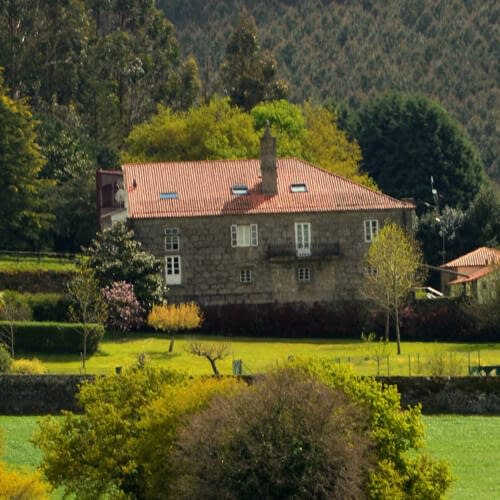
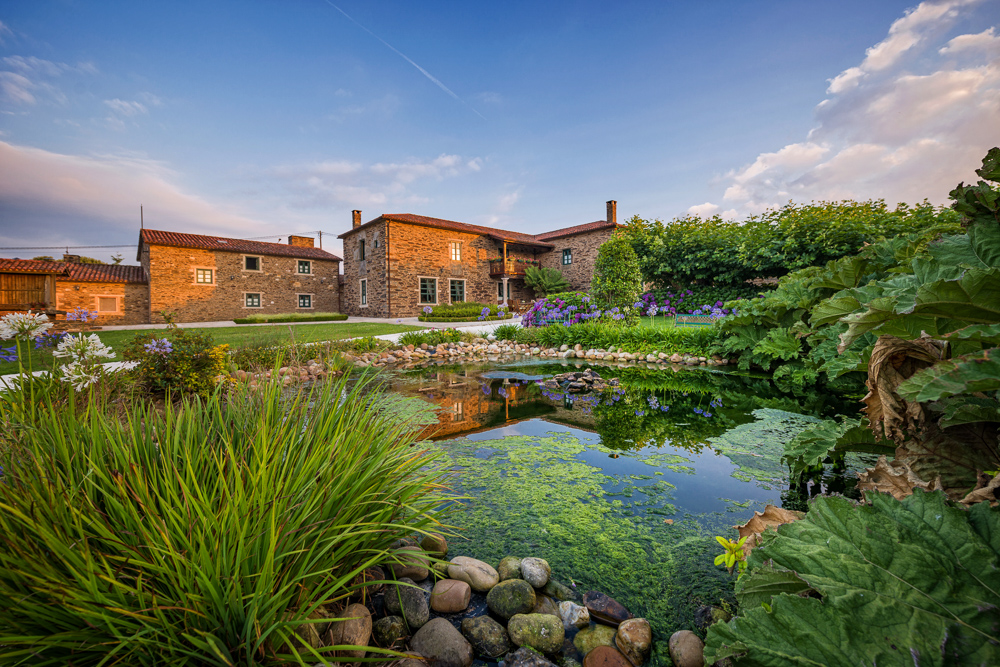
These visits complement very well any event that is organized in the area, well prepared to host events of different sizes. Arzúa has the large Terra do Queixo fairgrounds, which every year hosts the fair to exalt this product; a Multipurpose Centre; and private spaces for meetings in establishments such as the pazos de Santa María, Sedor and Brandeso, and the Andeade, already in Touro. The importance of the Camino de Santiago for the local economy is also reflected in a good hotel capacity: in Arzúa there are numerous hotels that can accommodate those attending an event, such as the
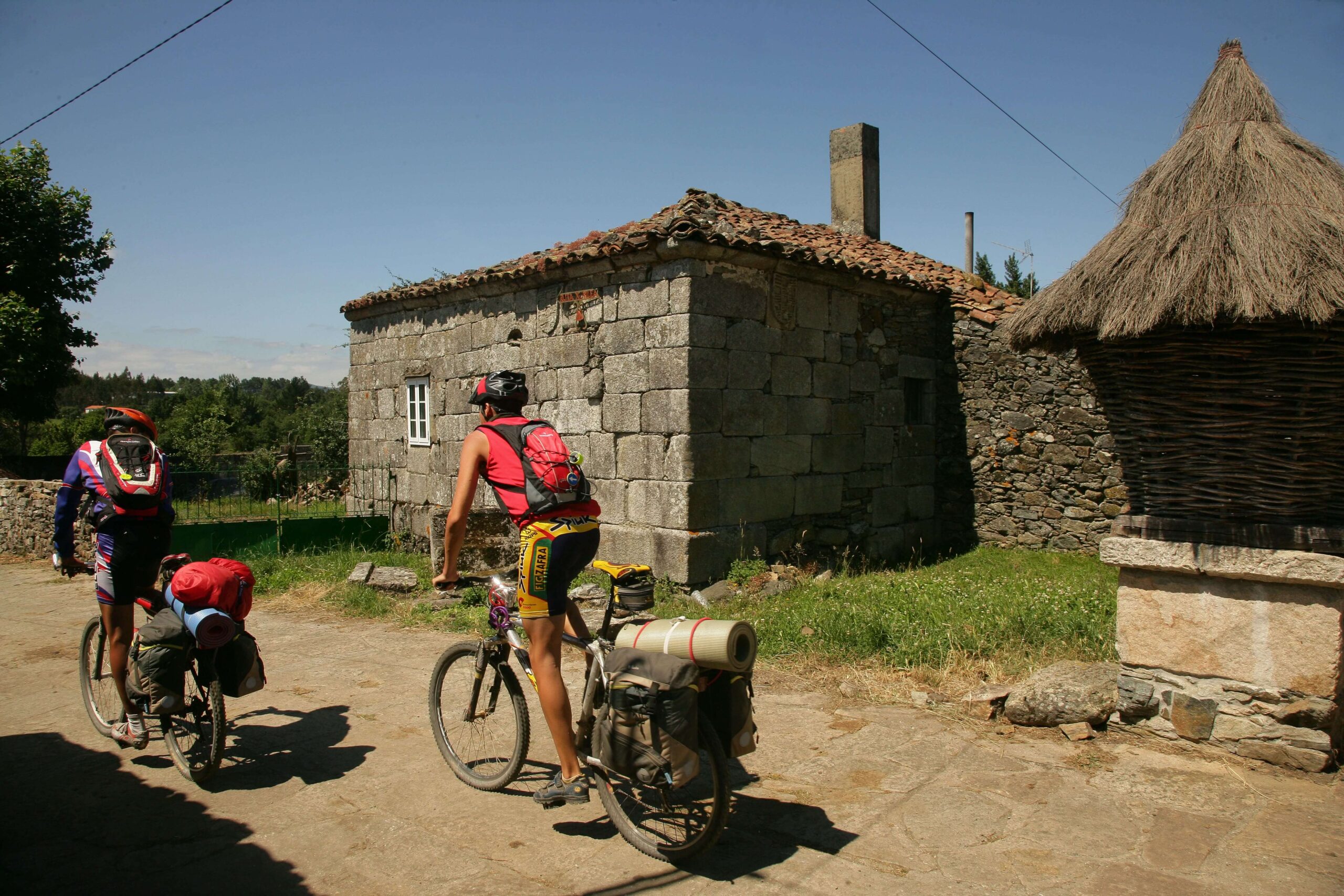
The region of Arzúa is best known on foot. Walking a part of the Camino de Santiago, visiting unique historical sites such as the Ribadiso bridge or getting to know one of the waterfalls that adorn its rivers or those of the municipalities framed in this territorial division is a refreshing experience to complement a scientific or business meeting.


Other regions
Others
Eume and Betanzos, marked by rivers and history
A Coruña
French way in the province of A Coruña

Designed and developed by Serglo, technological solutions applied to events | Privacy policy | Legal notice