
Barbanza Sar
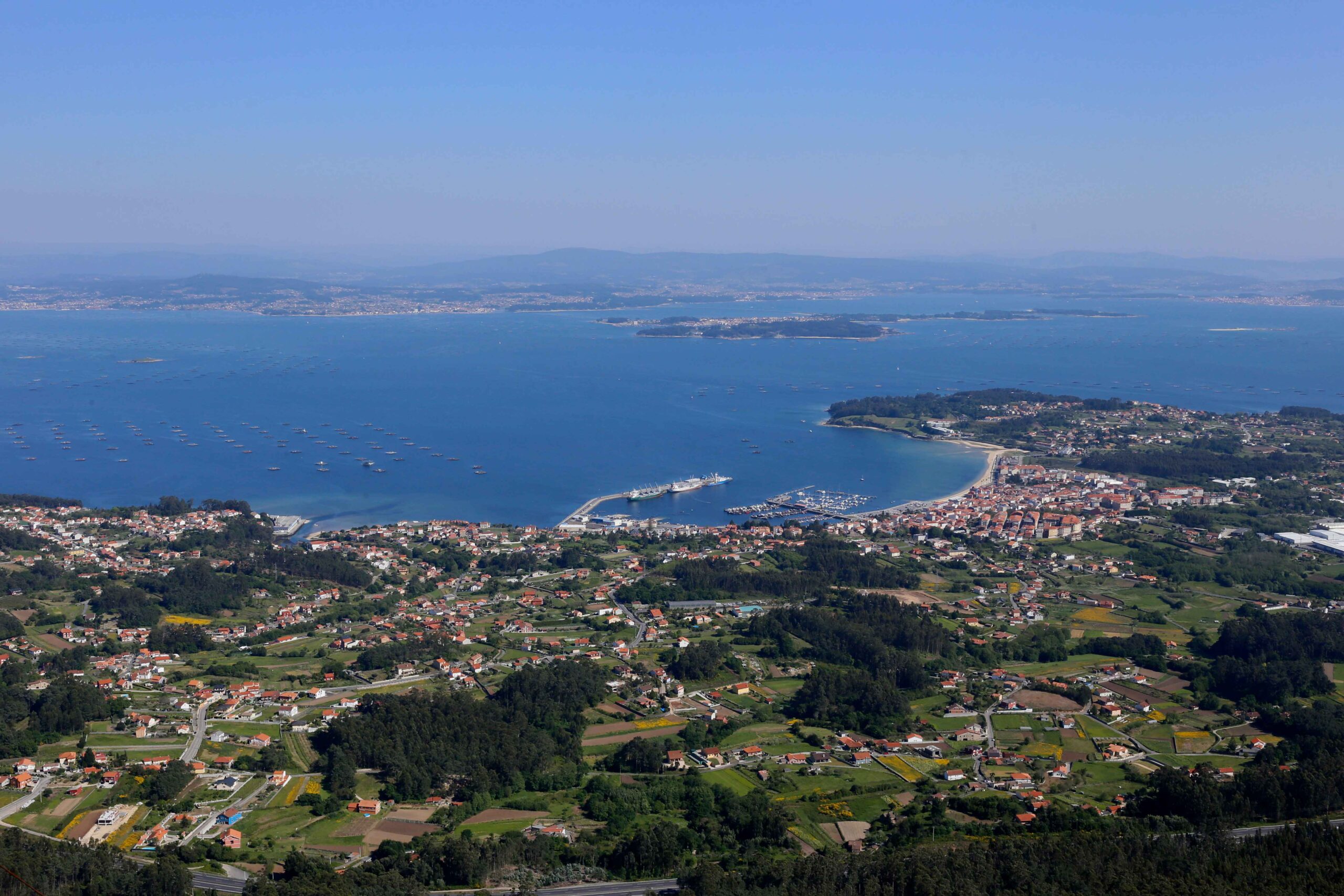
History and nature come together in the regions of O Barbanza and Sar. Whether due to their capacity to host meetings and events in large towns such as Ribeira or Padrón, or due to their proximity to Santiago de Compostela, these two locations within the province of A Coruña are ideal to complement the programming of a congress with activities that help to better understand the cultural and landscape heritage of Galicia.
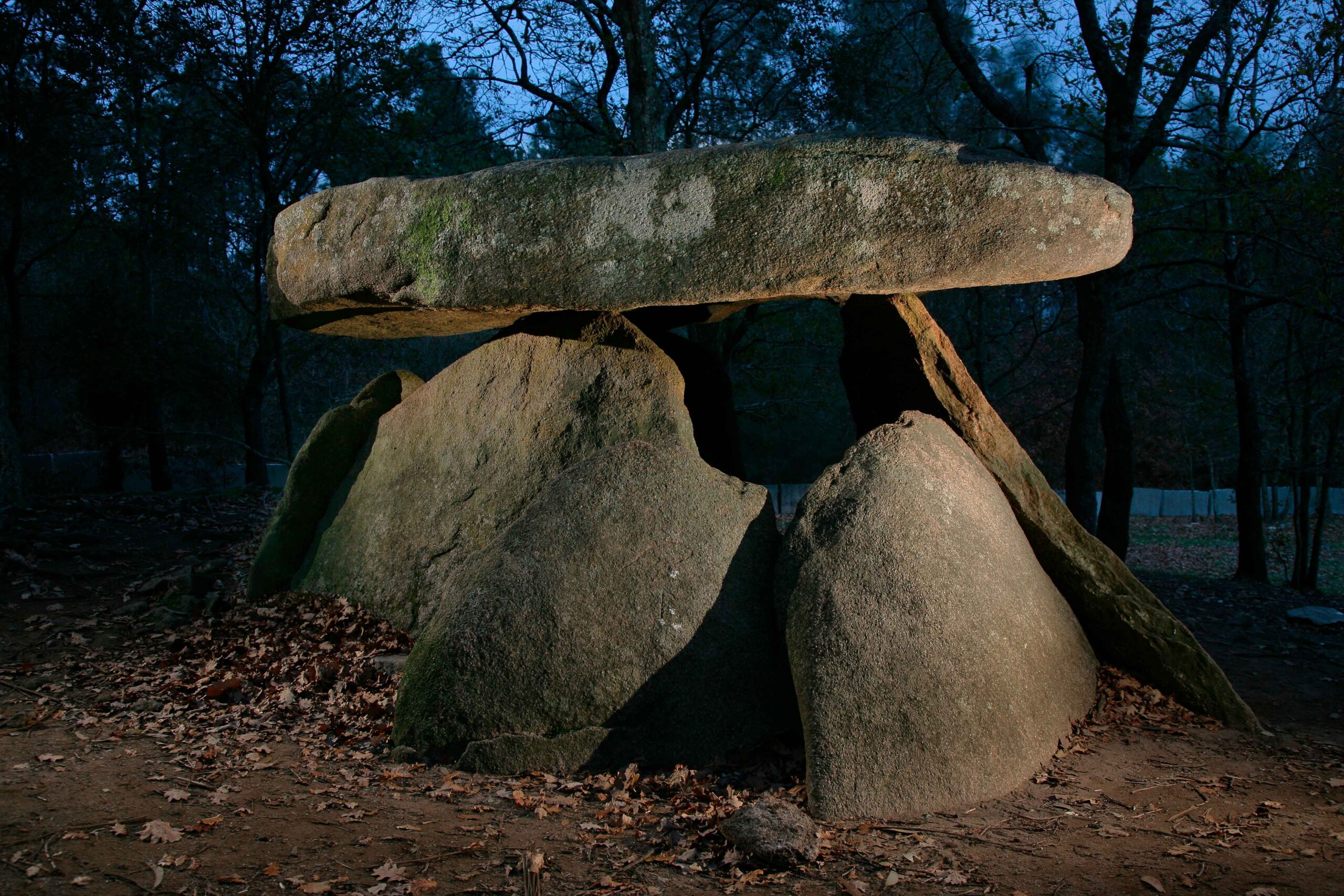
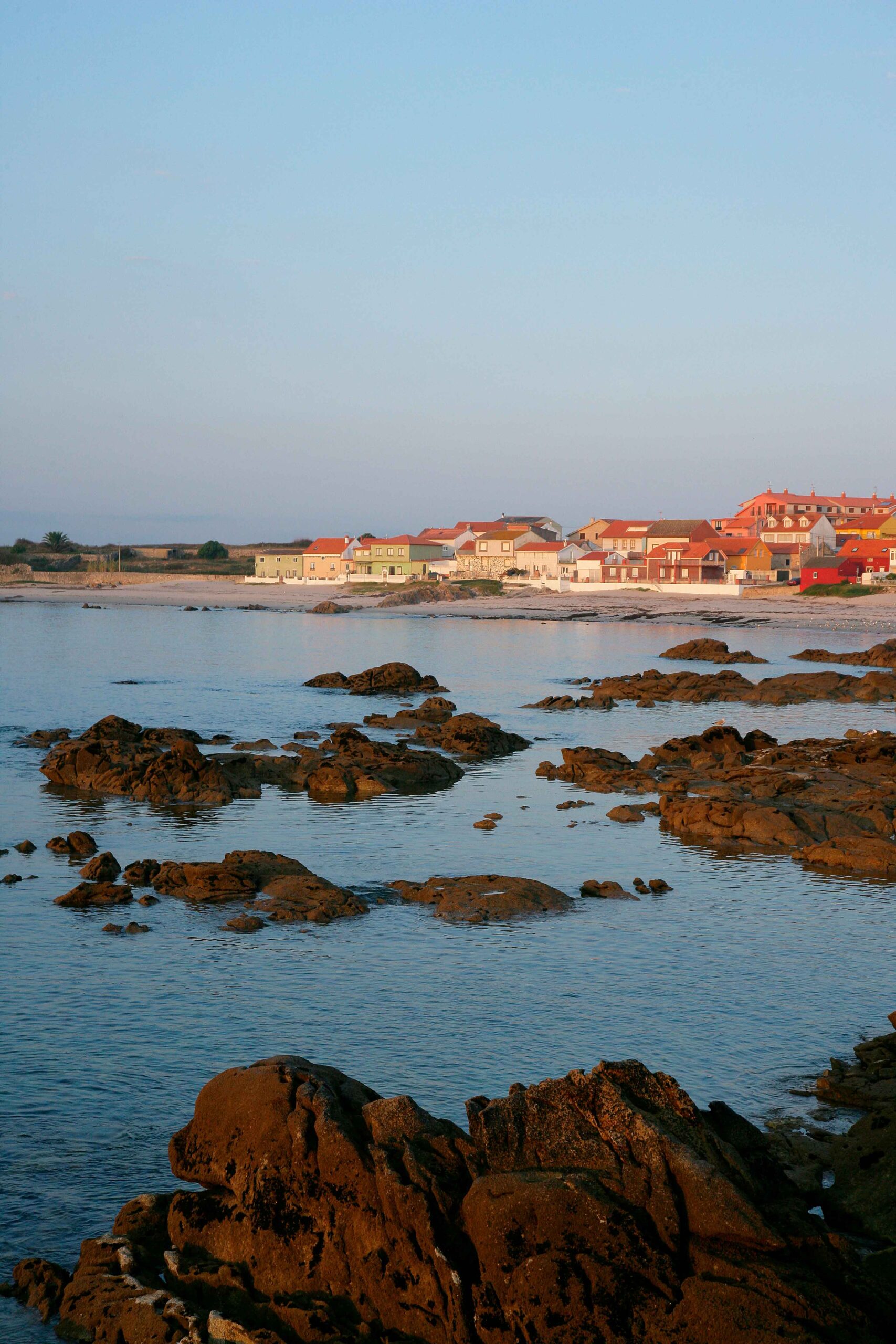
The region of O Barbanza brings together the municipalities of Boiro, A Pobra do Caramiñal, Rianxo and Ribeira, on the north side of the Arousa estuary. The four towns have urban centres full of history and examples of religious and civil architecture from past centuries. This is a land of writers: only in one street in Rianxo can you walk in front of the birthplaces of authors as fundamental in Galician literature as Castelao, Dieste or Manuel Antonio, while in A Pobra you can visit the house-museum of Ramón María del Valle-Inclán and, up the mountain, the viewpoint of A Curota over the estuary, to which the writer climbed by taking long walks. The mountains of O Barbanza are fertile in megalithic remains: a route through its petroglyphs allows you to learn more about the past of this area of A Coruña. The monumental dolmen of Axeitos, the castro da Cidá and the viewpoint of A Rá, in Ribeira, and the castro de Neixón (Boiro), with its interpretation centre, are good places to start this exploration of the past.
As far as infrastructures to host events are concerned, Ribeira has a large Municipal Auditorium, and the rest of the towns, multipurpose centers of different sizes. As this is a traditionally tourist area, the hotel and gastronomic infrastructure is also abundant and of quality, with outstanding establishments such as Sisal by Chicolino (Ribeira), the local product commitment of a business group with a long tradition in the area.
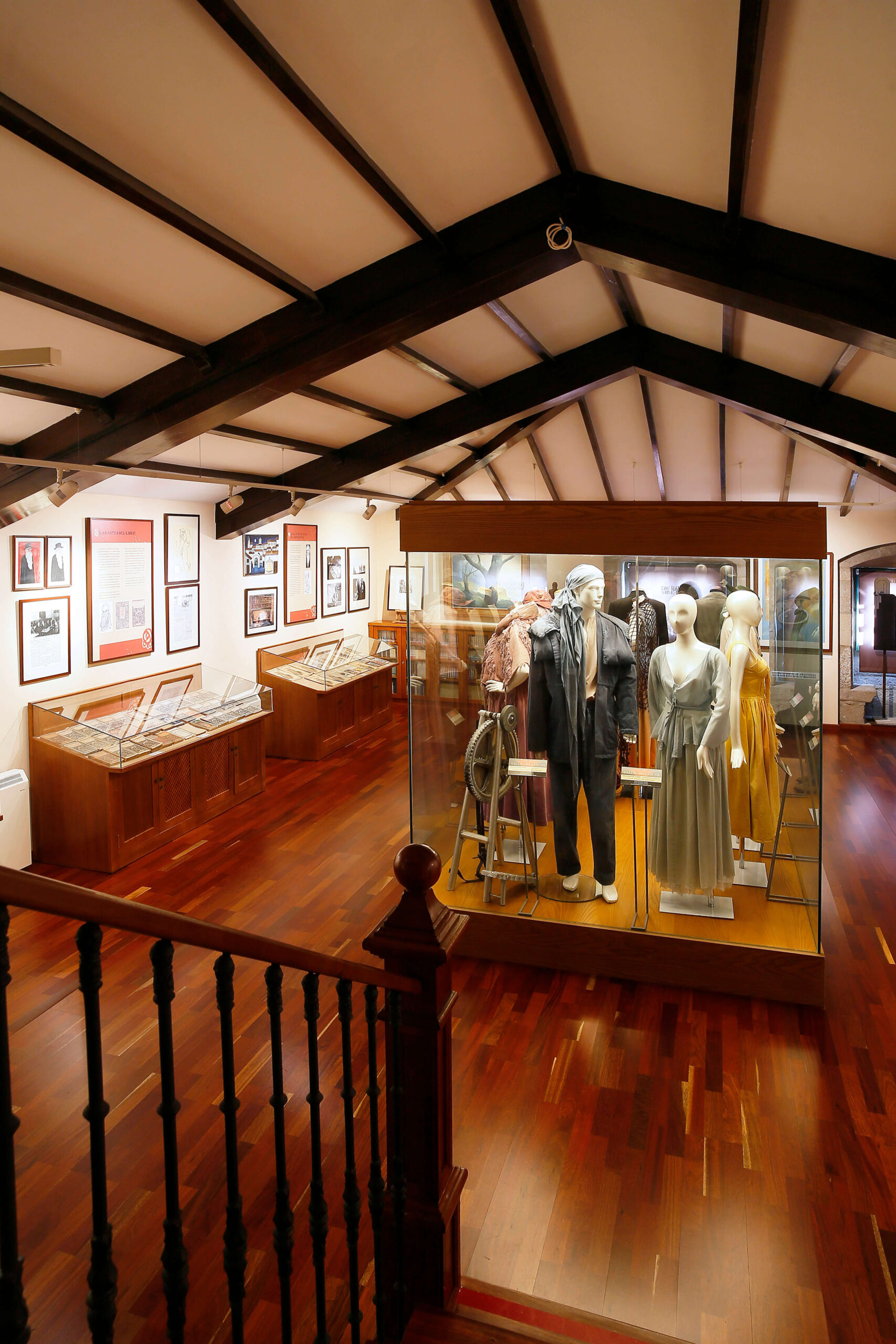
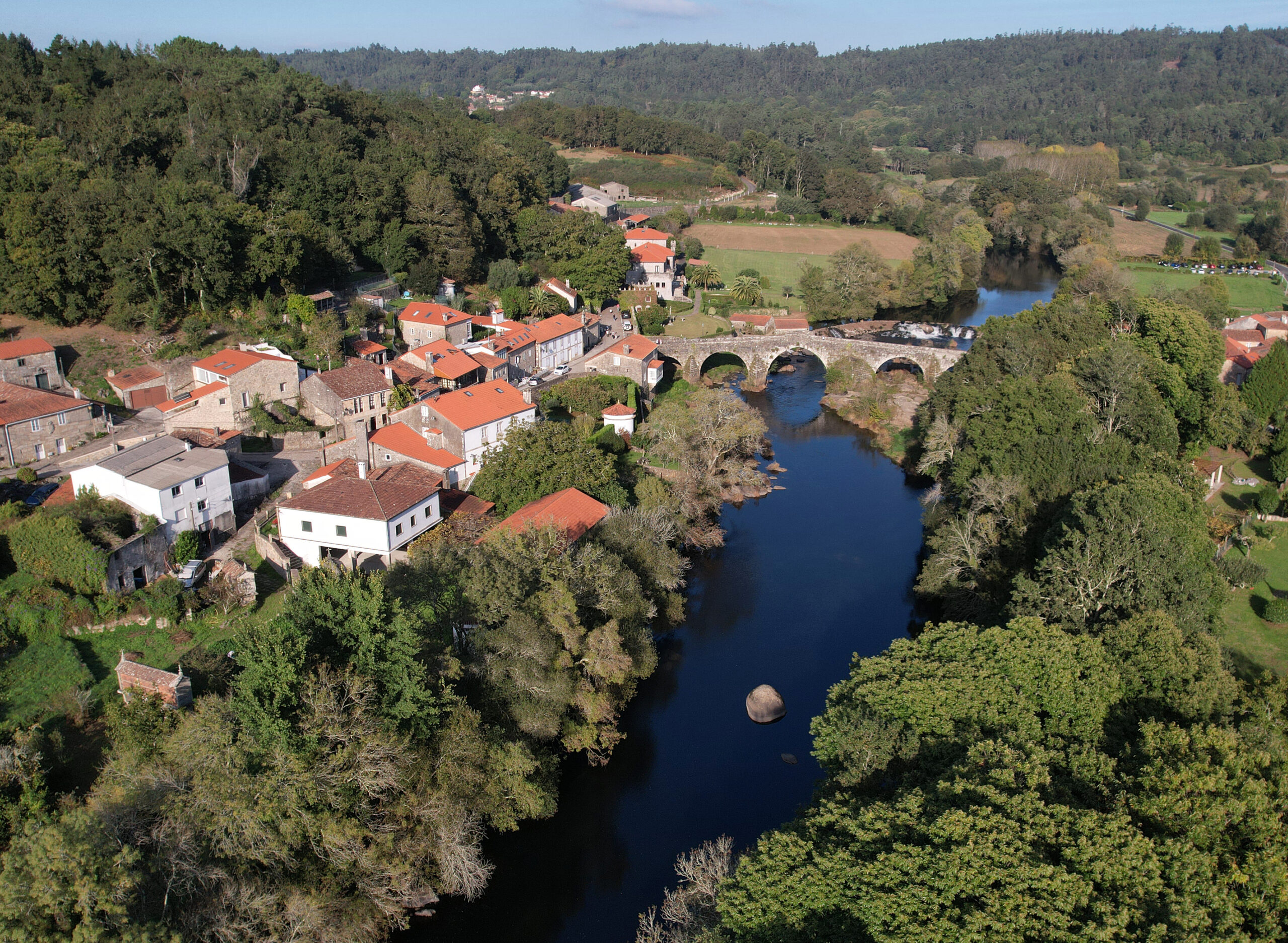
For its part, the region of Sar (Dodro, Padrón and Rois), in the valley of the river that gives it its name, is also one of the cultural cradles of Galicia. The birthplace of the great poet Rosalía de Castro can be visited in A Matanza, near the historic centre of Padrón; It is an unmissable visit that can be done in a group and with a guide. The activity should be complemented with a walk through the old town of Padrón, with its small squares, its botanical garden, its monument to the troubadour Macías O Namorado, the bridge over the Sar, the monuments to Rosalía and the Nobel Prize winner Camilo José Cela on the Paseo del Espolón and the church of Santiago, where the stone is kept in which, according to tradition, they moored the stone boat that transported the remains of the apostle Santiago after his voyage from Palestine to Galicia. A little further on, on the outskirts, is the complex of Iria Flavia, the seat of the bishopric in the Middle Ages. In Padrón you can also schedule a stop for lunch. The famous peppers are essential (only those from Herbón are the authentic ones), but there are also traditional places, such as the Pulpería Rial, which prepare one of the best octopuses in Galicia.
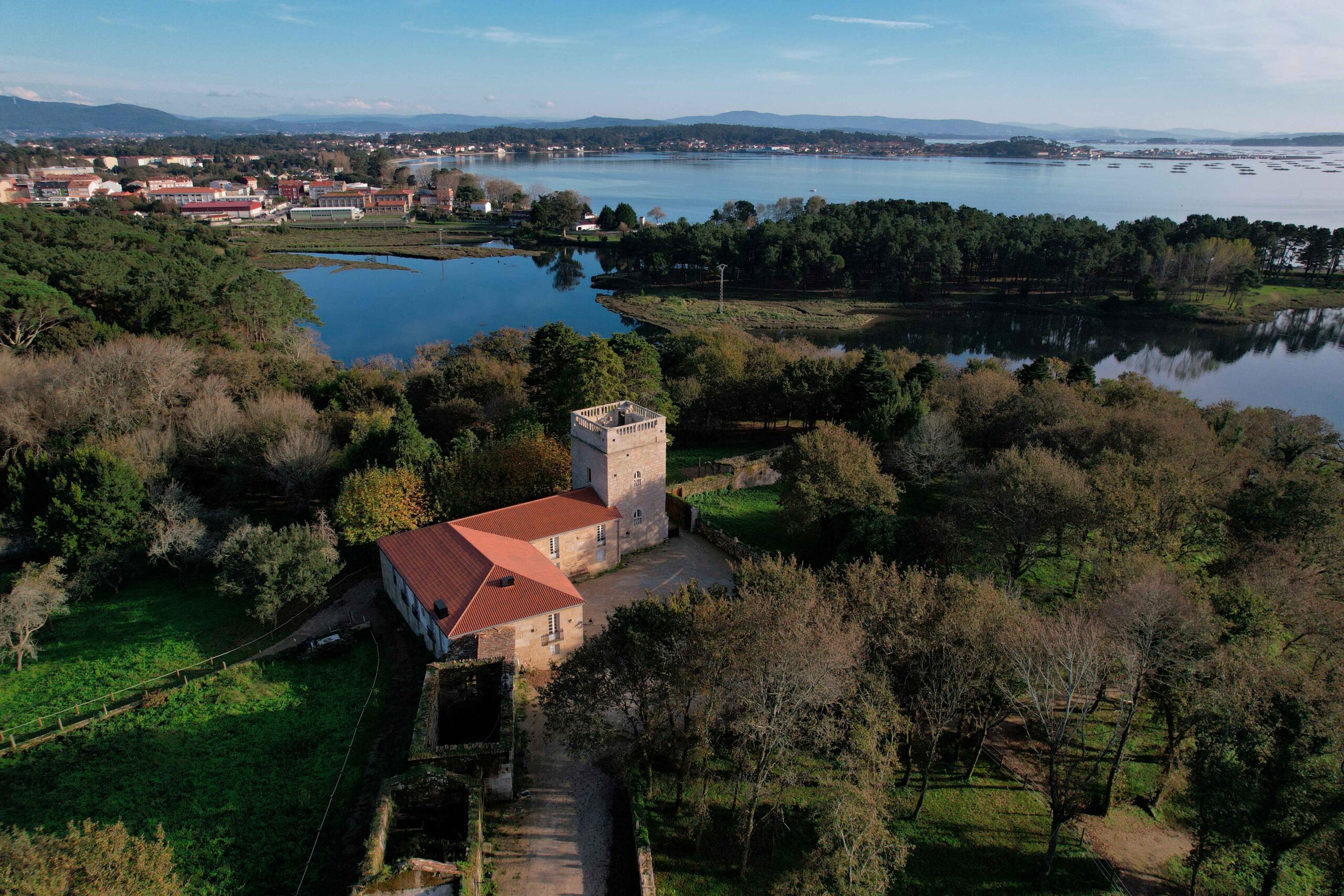
The Sar region has infrastructures prepared for medium and small meetings, such as the municipal auditorium and theatre of Padrón or the pazos of Goiáns (Boiro) and Lestrove (Dodro).
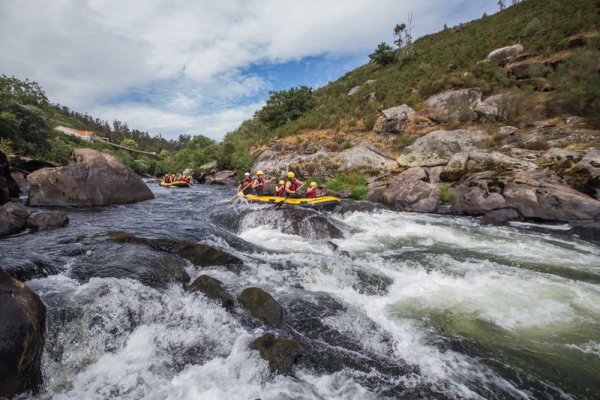
Un recorrido de team building por la comarca puede incluir también un descenso en balsa de rafting por el curso bajo del Ulla, desde Carcacía, o una visita a los municipios en los que este río se mezcla con el mar, con parada en el curioso conjunto de hórreos de Imo (Dodro). En el municipio de Rois se encuentra también el campo de golf Val de Rois, muy cerca de otro de los secretos gastronómicos mejor guardados de la comarca, la pequeña y excelente taberta O Pemento (Seira).
Other regions
Others
Xallas-Barcala-Ordes

Portuguese way in the province A Coruña
The sea, a great attraction in the regions of Ferrol and Ortegal

Designed and developed by Serglo, technological solutions applied to events | Privacy policy | Legal notice