
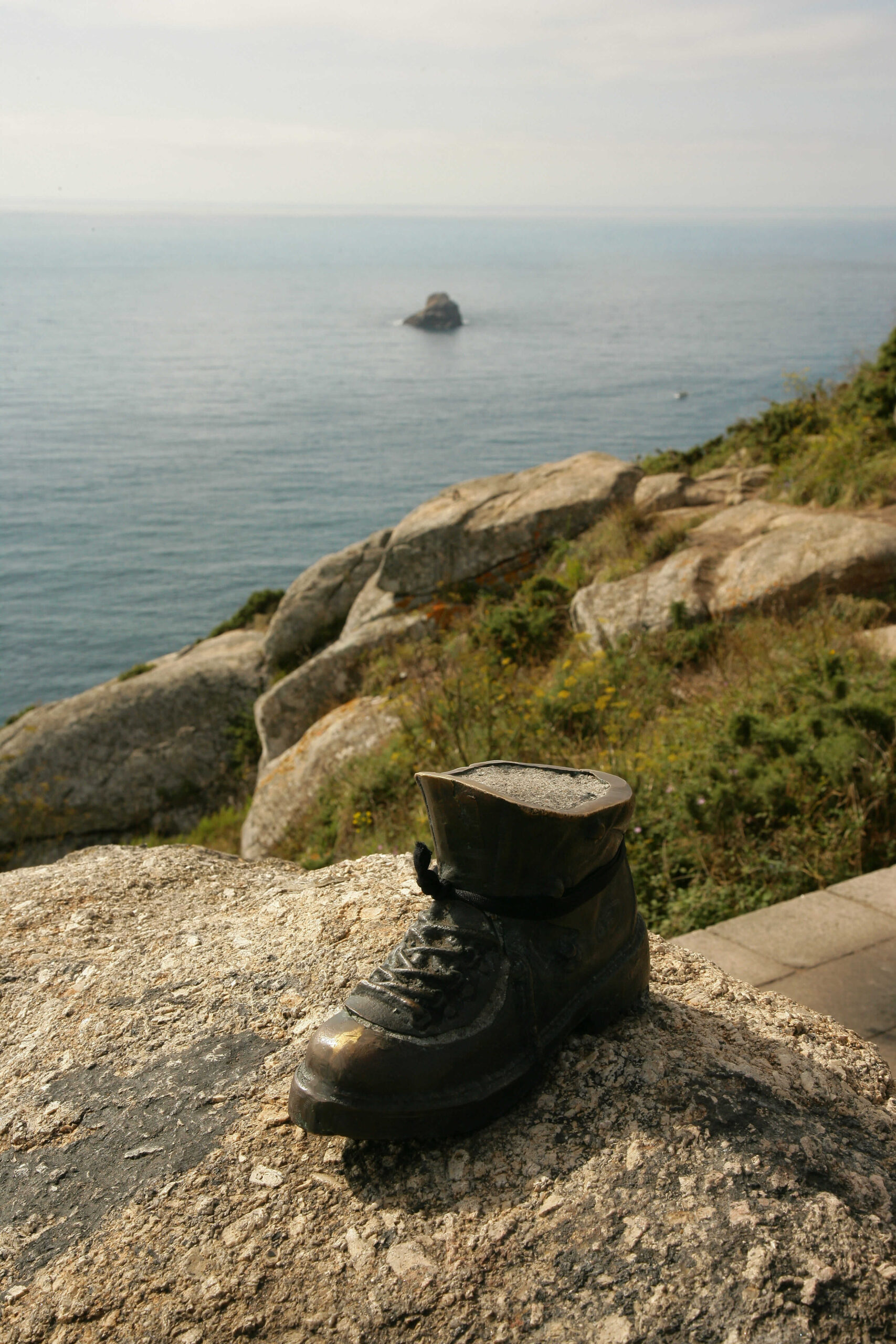
Fisterra-Muxía road in the province of A Coruña
Upon arriving in Santiago, many pilgrims decide to extend their experience by walking the Camino de Fisterra-Muxía, which is a natural extension of the pilgrimage to Compostela. Unlike the other routes, it does not end in the cathedral of Compostela, but starts from it towards the west of Galicia, bound for Cape Fisterra and the sanctuary of the Virxe da Barca in Muxía, in the heart of the Costa da Morte.
From Santiago, the itinerary advances towards the municipality of Ames and continues through Negreira. Between the two municipalities, the medieval bridge of Ponte Maceira over the Tambre River stands out, one of the most photogenic enclaves of the Camino. The monumental complex, with its bridge, mills and emblazoned houses, is considered one of the most beautiful villages in Spain.
The route continues towards Mazaricos and Dumbría, crossing landscapes of great natural wealth and hardness for the walker: mountains, valleys and rivers that lead the pilgrim to the Atlantic coast. Walking through these hard lands makes a group, so those who need to organize a team building experience have the perfect terrain here. In Mazaricos you can enjoy spectacular views from the O Pindo mountain range, known as the Celtic Olympus, and in Dumbría the Fervenza do Ézaro stands out, the only waterfall in Europe that flows directly into the sea.
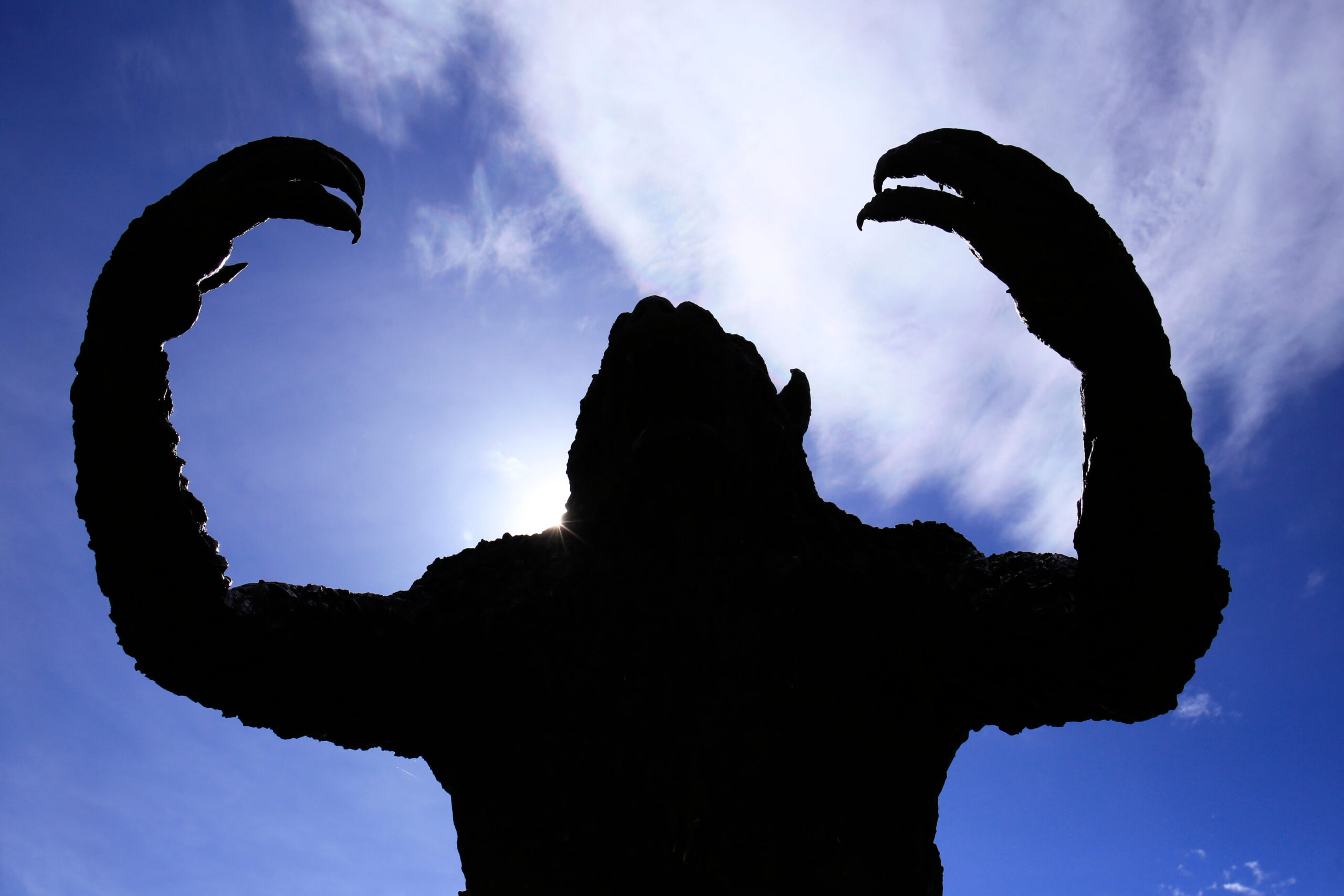
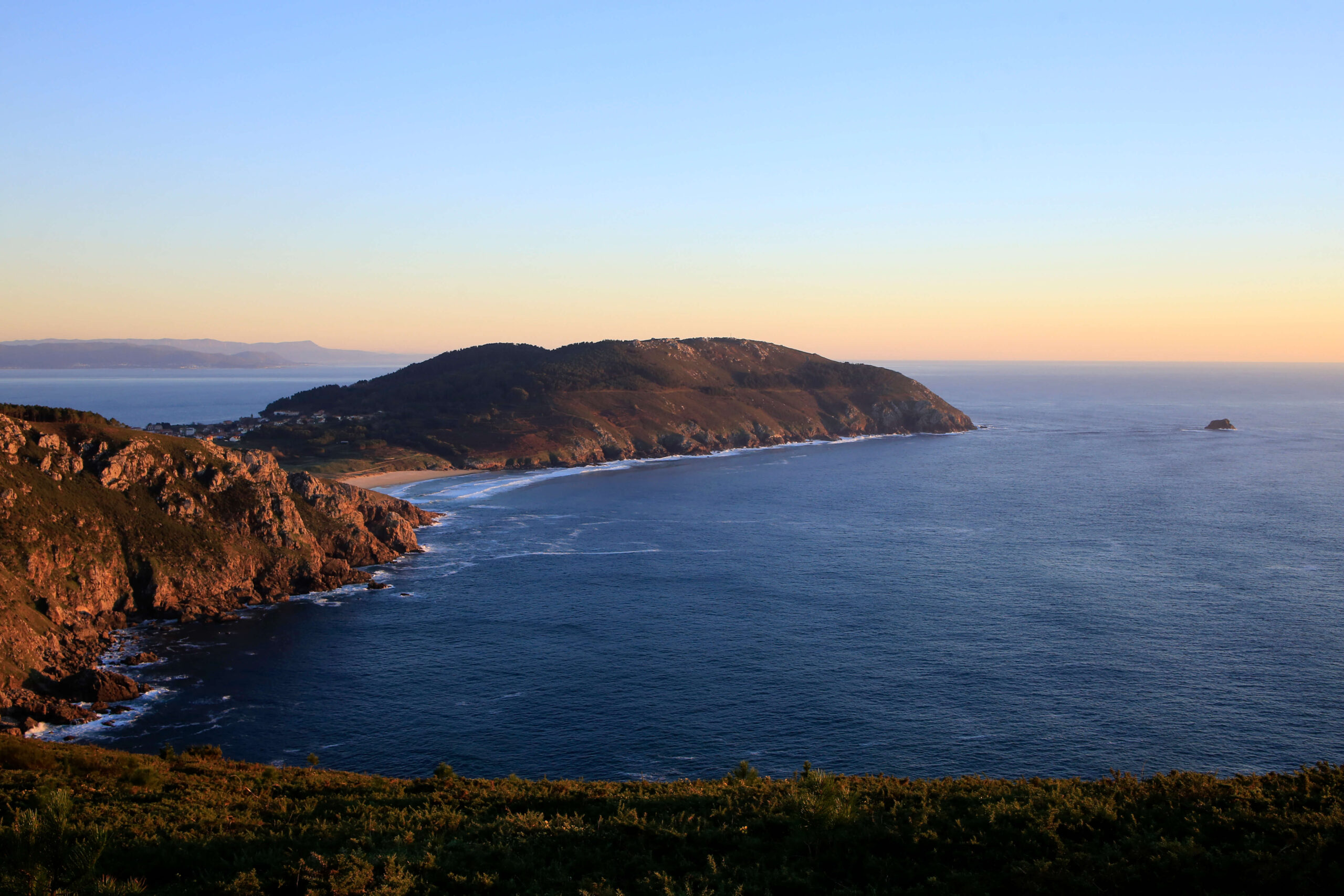
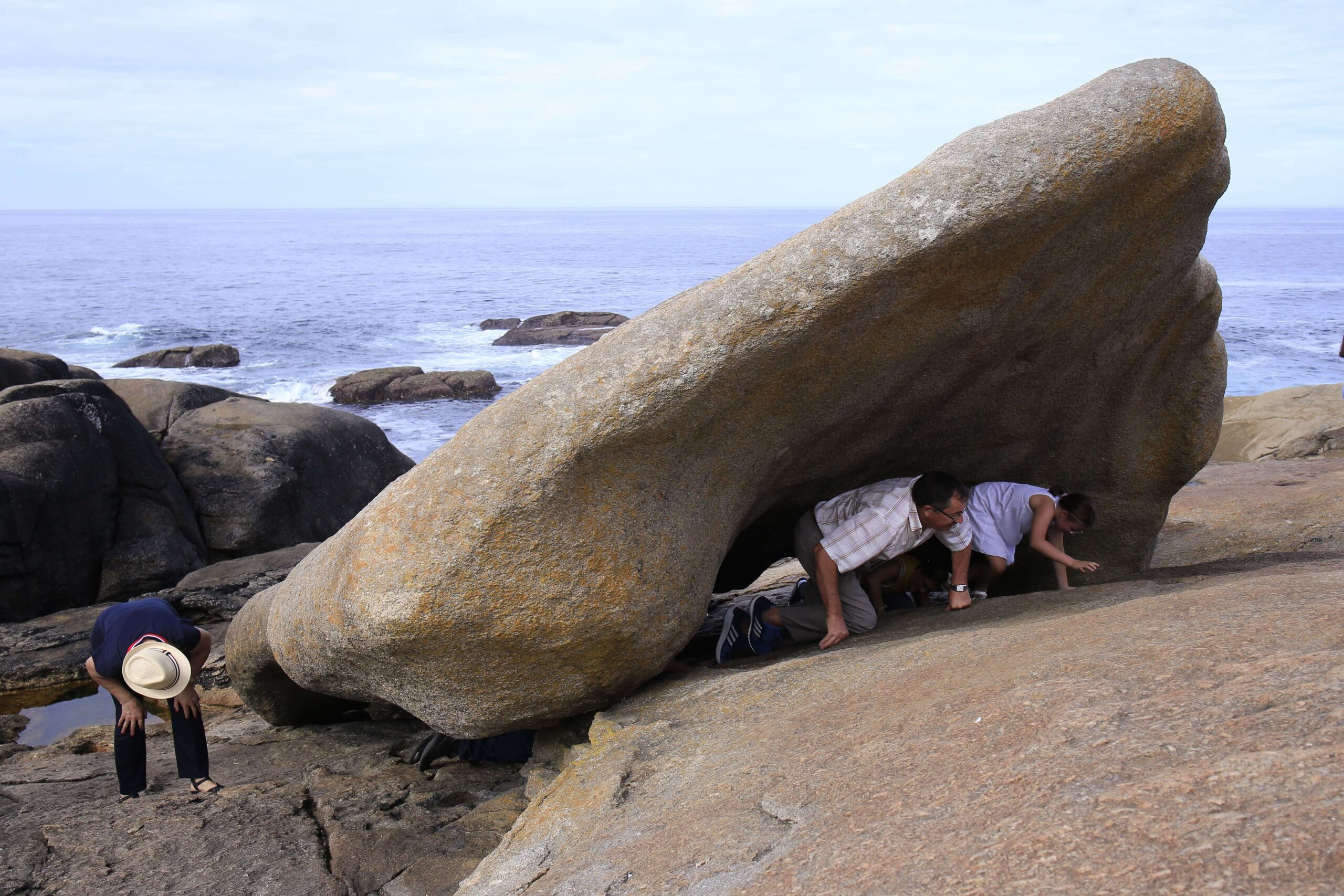
The itinerary forks in Hospital: towards Fisterra or towards Muxía. The road to Fisterra leads to the legendary “end of the world” of the Romans, where the lighthouse stands in a dramatic landscape of cliffs over the Atlantic. Here pilgrims culminate their journey by contemplating the sunset, a symbol of spiritual end and rebirth. Meanwhile, the Muxía variant goes to the sanctuary of the Virxe da Barca, a Marian temple of great popular devotion, surrounded by rock formations linked to the Jacobean tradition, such as the Pedra de Abalar, a stone mass that, with the precise technique, can be moved between several people. The pilgrimage to Muxía can end with an experience of rest a few meters from the sea at the Bela Muxía hostel, one of the most modern proposals of the hospitality industry in the town.
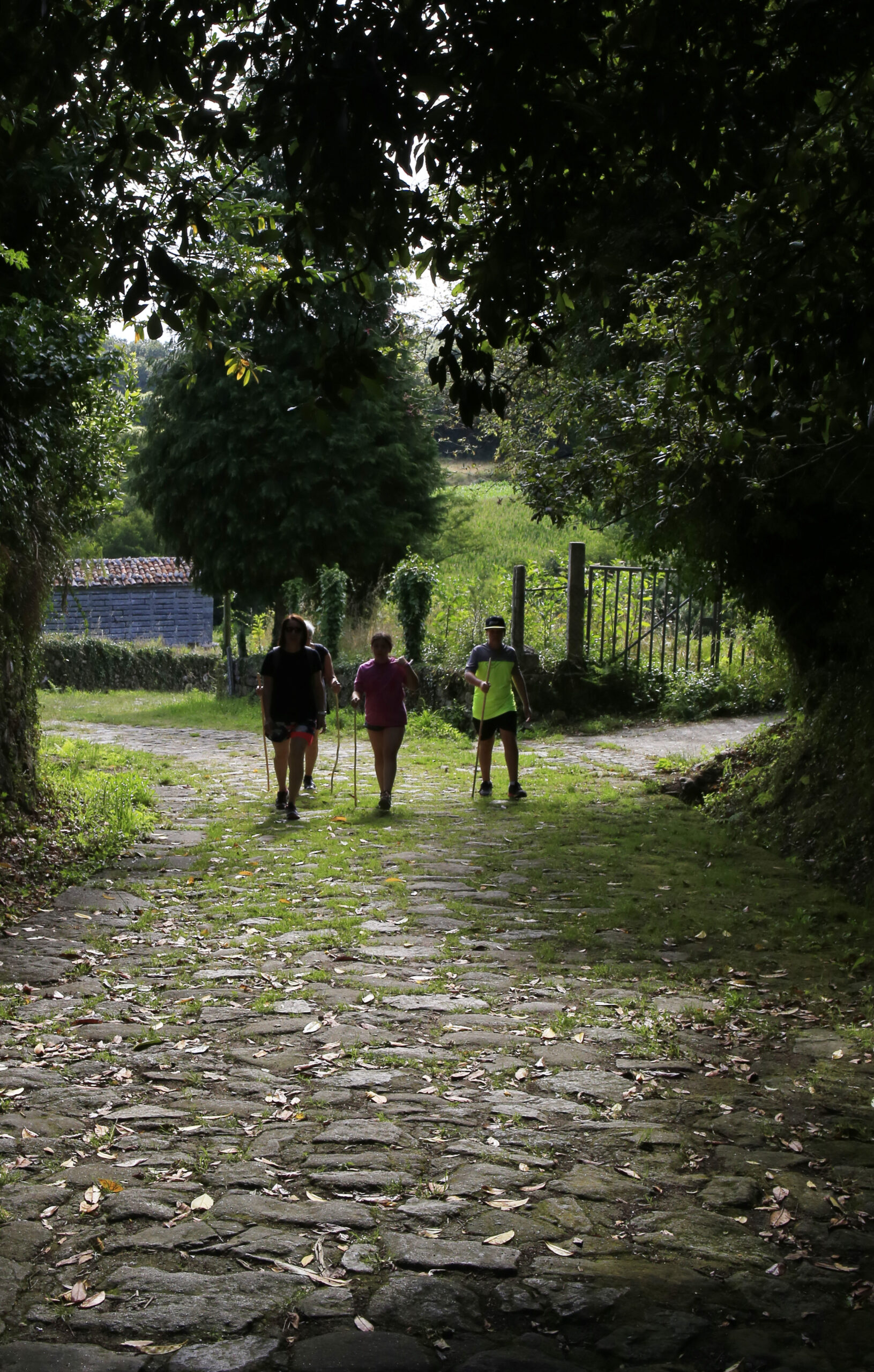
With its spectacular scenery and the hardness of its paths, the Fisterra-Muxía Way is the ideal territory for a day with colleagues or as a complement to the program of a congress. From Compostela it is very easy to organize the activity, since many agencies offer accompanying services, guides, transport and logistics to make the journey as bearable as possible. This is the case of companies such as Do Camino or Galician Roots or Tee Travel, specialized in transporting groups along the Route.
Other regions
Others
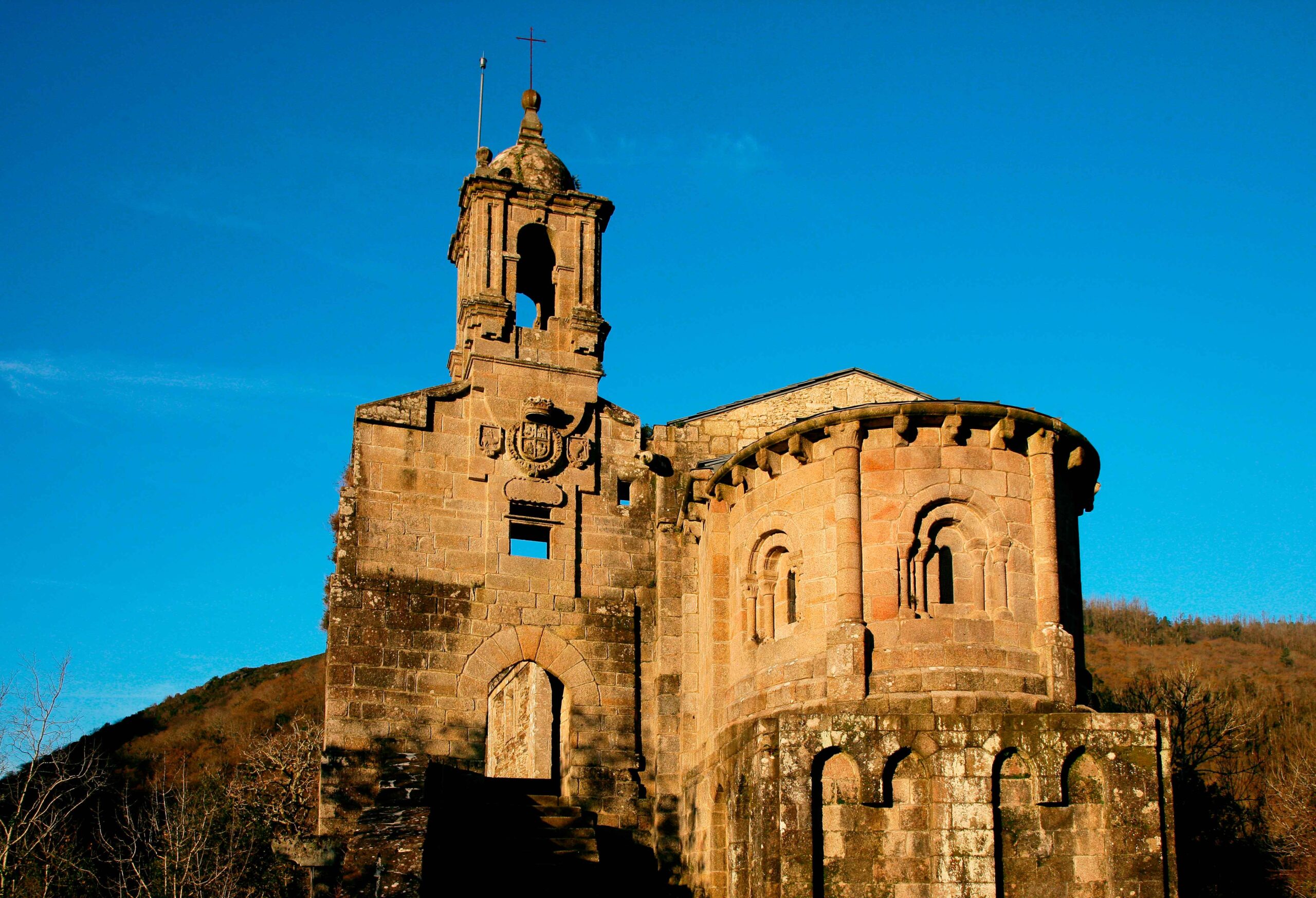
Eume and Betanzos, marked by rivers and history
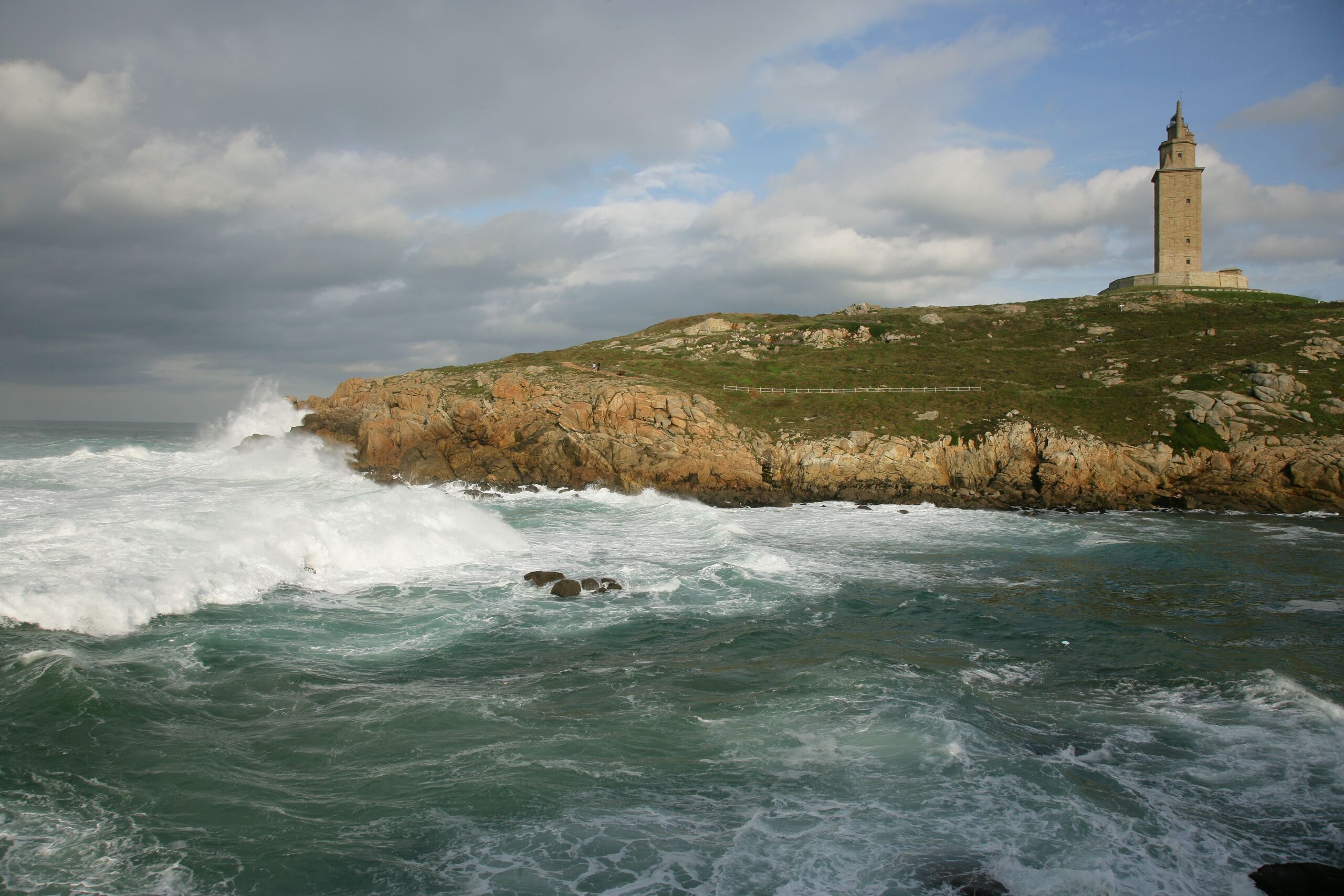
A Coruña

Muros-Noia, the natural incentive


Designed and developed by Serglo, technological solutions applied to events | Privacy policy | Legal notice