
Eume and Betanzos, marked by rivers and history
Rough seas and family beaches. Mighty rivers that flow through impenetrable canyons. Ancient historic centres and natural resources shaped by the centuries. An outstanding industrial heritage that has been transformed for the new millennium. And a gastronomy known in half the world. The old “Mariñas dos Condes”, today located in the regions of Eume and Betanzos, are a perfect summary of the tourist potential of the province of A Coruña. Their attractions, the ease of getting there from anywhere in Spain and their infrastructure make them especially attractive for holding small events and organizing incentive trips and team building activities.
Eume
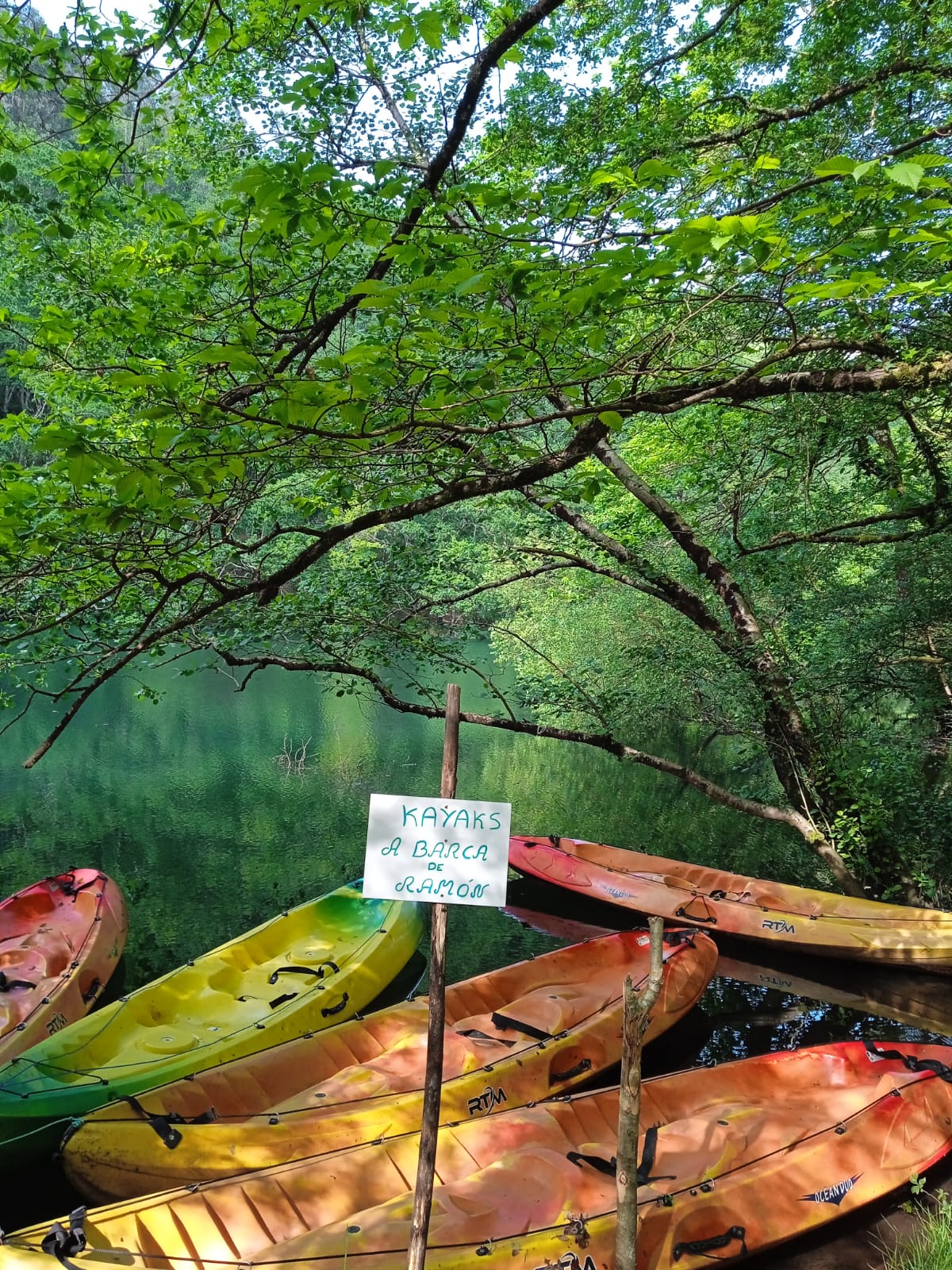
The Eume is a relatively short and rough river, which rises on the edge of the Lugo mountains of O Xistral and reaches its splendour in the region to which it gives its name, and which is formed by the municipalities of A Capela, As Pontes de García Rodríguez, Cabanas, Pontedeume and Monfero. The river is a classic for lovers of adventure tourism in Galicia, and in recent times there has been a proliferation of companies that organize activities of this type. This is the case of A Barca de Ramón, Eumenatura and Fragas do Eume Kayak (Monfero), the Firrete/Firrete Aventura Yacht Club (Pontedeume), or the Fragas do Eume Natural Park itself.
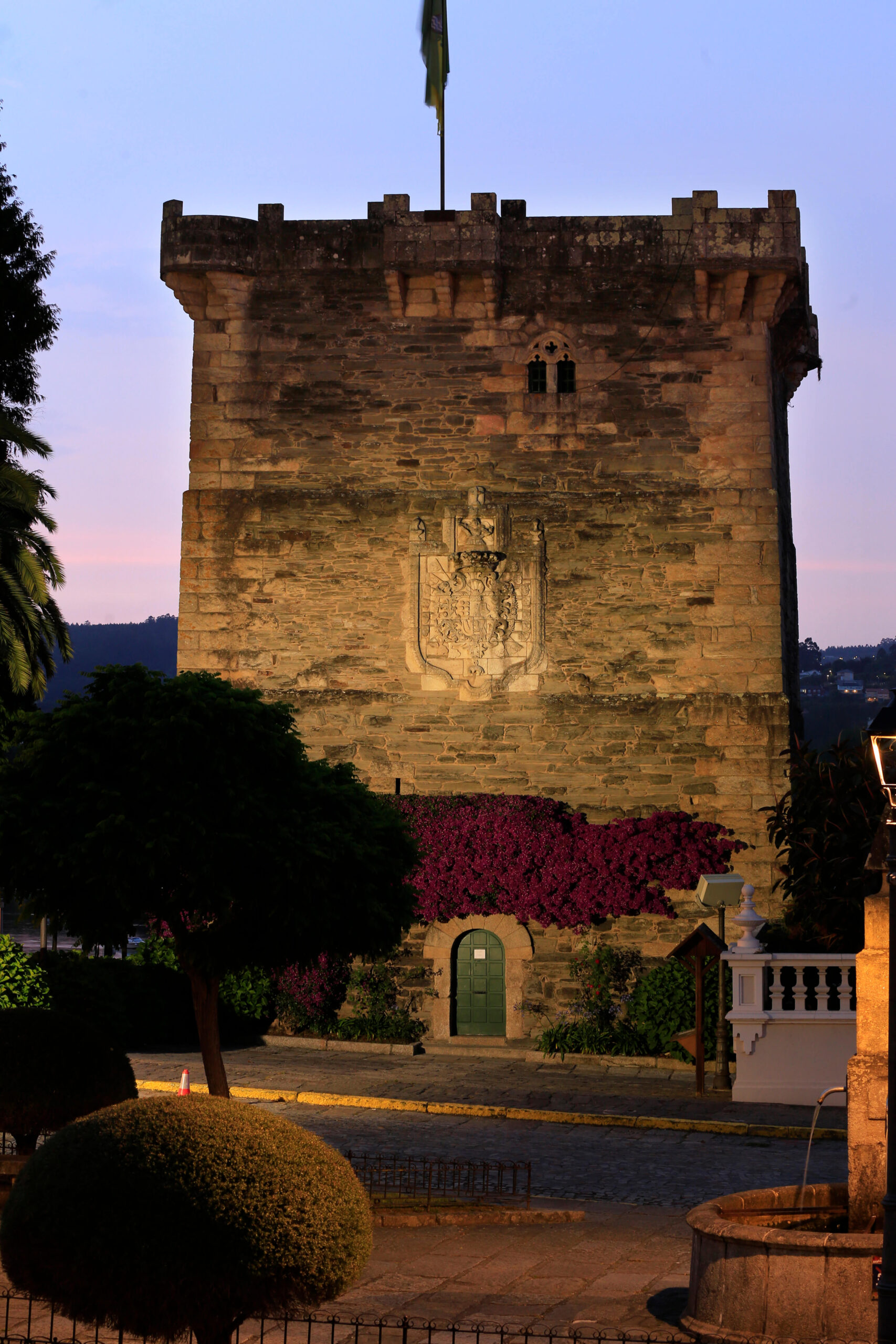
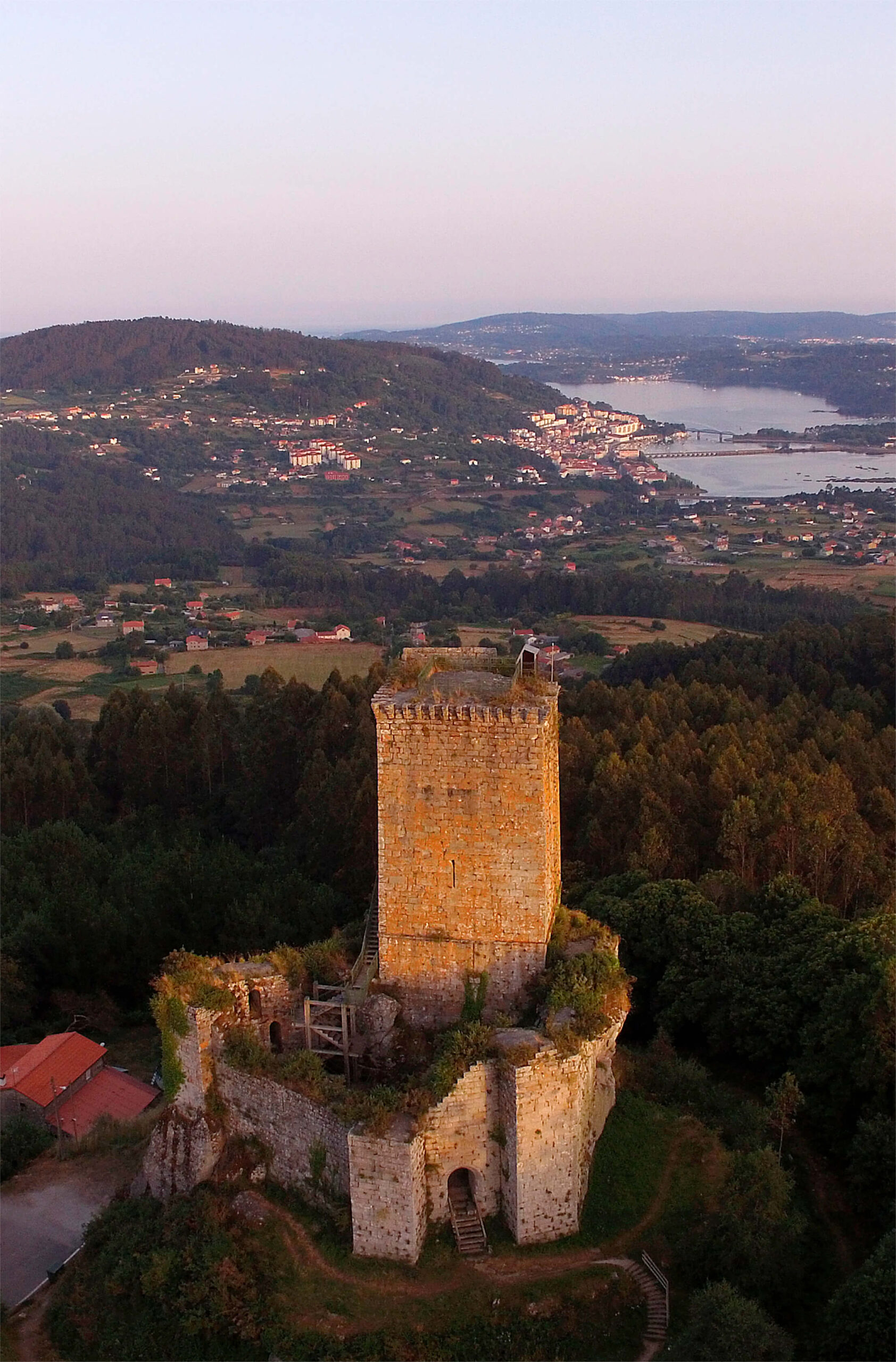
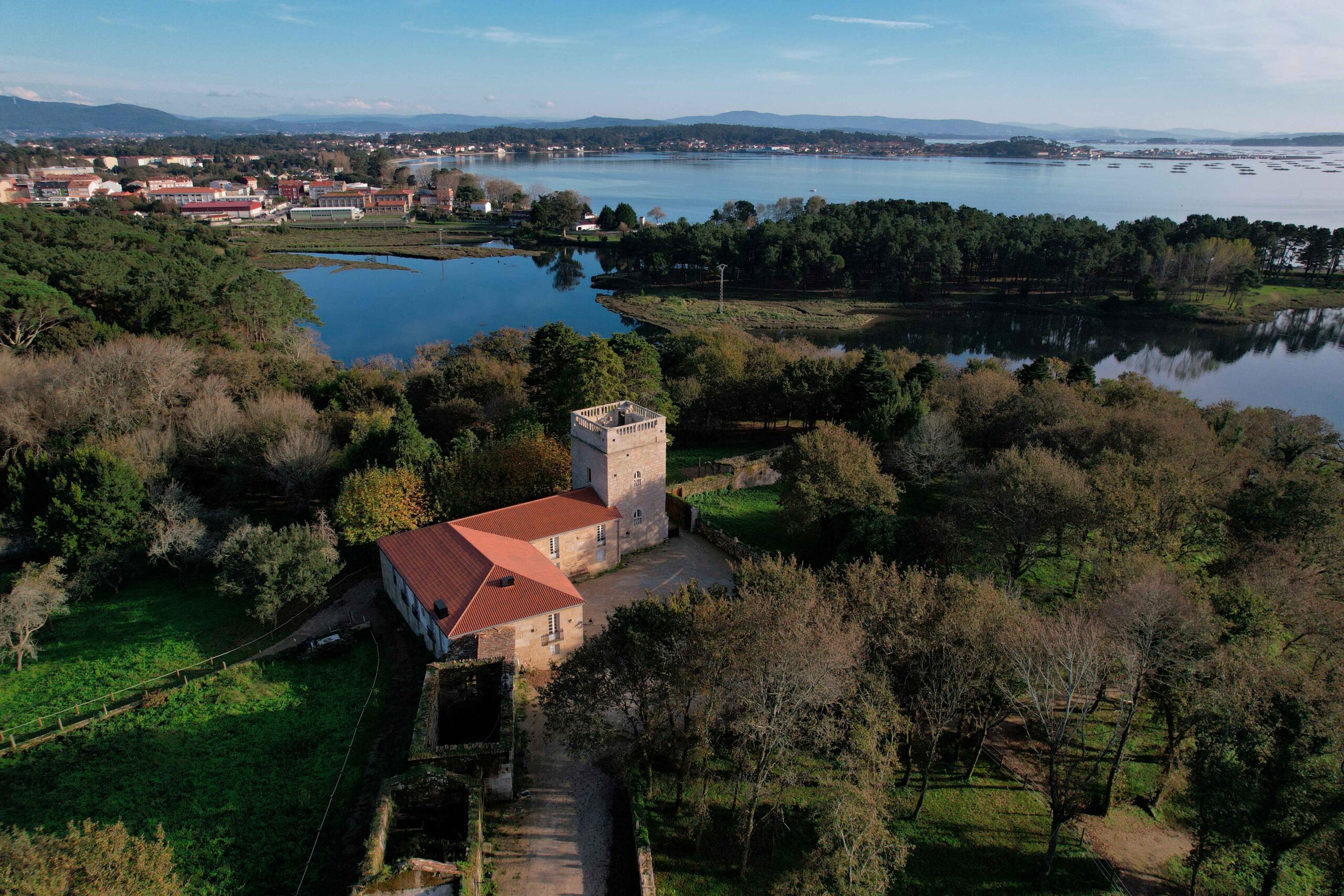
Pontedeume and As Pontes are the most important towns in the region and the portals to the natural park. Pontedeume is easily reached via the AP-9 motorway and its historical heritage is imposing, derived from its importance in the Middle Ages, dominated here by the house of Andrade. The historic centre, with narrow streets and squares full of historic buildings, preserves the medieval tower of the old house of these nobles, who also owned the imposing castle that dominates, from the parish of Nogueirosa, the entire Eume estuary. A long bridge separates the town of Cabanas, a beach destination par excellence, and is one of the few points that cross the mighty river.
For its part, As Pontes also has noble origins, as shown by its own official name, which includes the knight García Rodríguez, who lived in the fourteenth century. Its urban centre preserves some buildings that show its power as a regional head in the eighteenth and nineteenth centuries, although its peak was in the twentieth century, when it was one of the industrial beacons of Galicia with the installation of a thermal power plant whose imposing 356-metre-high chimney still dominates the landscape. The factory was fed by coal extracted in an open-air mine, now transformed into an extensive artificial lake in which numerous nautical activities are carried out. In terms of gastronomy, As Pontes is made with mantecadas that are famous throughout the region.
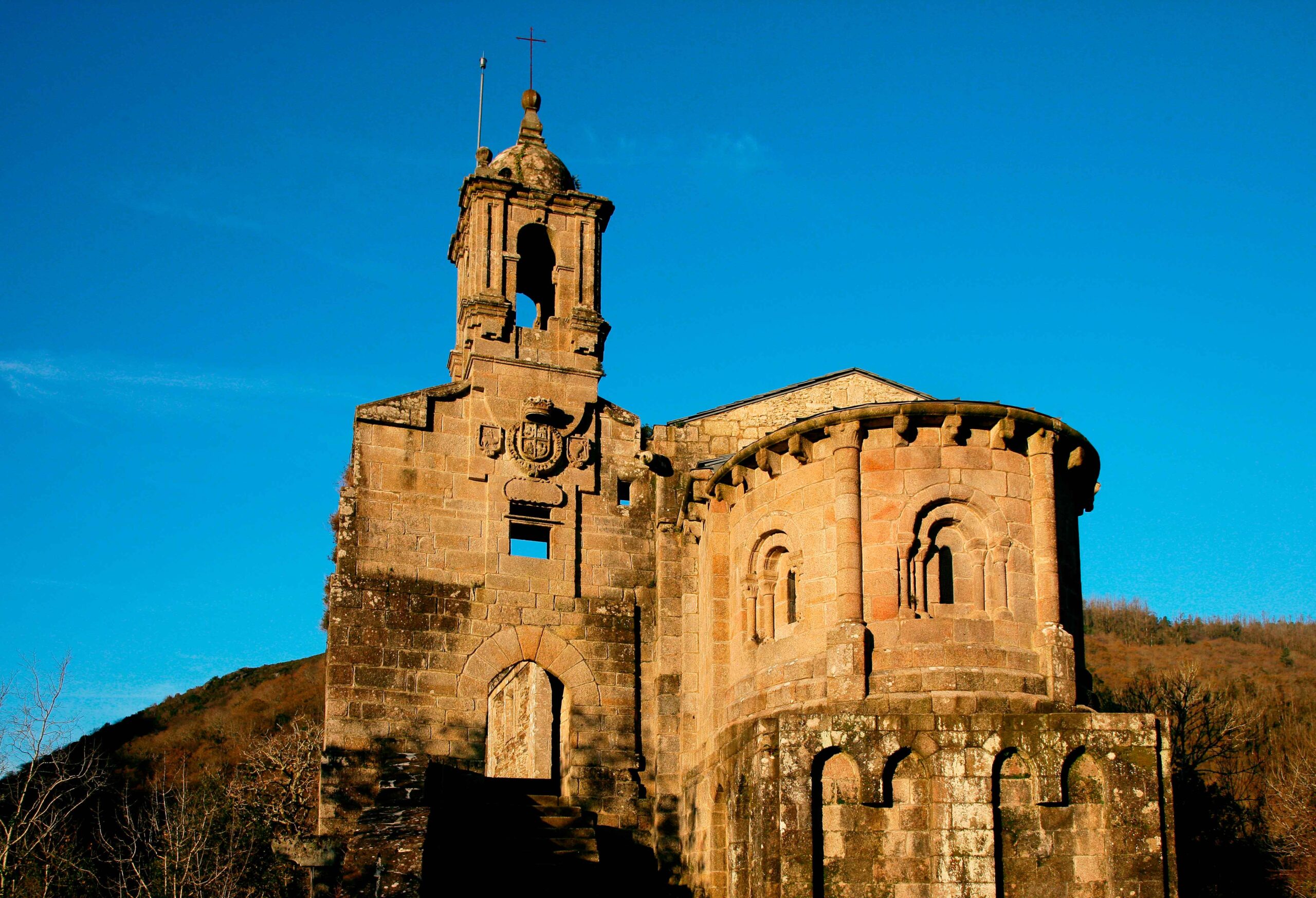
Up the Eume Gorge, the Fragas do Eume share natural heritage (a dense forest of oaks, chestnut and birch trees through which the water flows) and historical heritage. The small and romantic monastery of San Xoán de Caaveiro (A Capela) competes in attractiveness with that of Monfero, which is larger and has a curious checkered façade. Both are the reference points for numerous hiking trails that can be part of the complementary program of a congress. The region, which is very touristy, has numerous accommodation options, such as the Fraga do Eume hotels (A Capela, also with spaces for holding meetings) or the Casa do Castelo de Andrade (Pontedeume), and restaurants closely linked to the produce of the land, such as Os Cen Pasos and Los Molinos (Pontedeume), Taberna de Caaveiro (A Capela) or the Cantina do Eume – O Francés (Monfero). The ecological offer also stands out at A Artesa da Moza Crecha (Betanzos), a company that offers, beyond its modern restaurant, catering services and gastronomic training for groups. Natural exuberance marks the gastronomy of the region, in which unique products such as the costrada de Pontedeume (a curious layered empanada), the prolla (sponge cake with cinnamon), the manguito eumés (an almond sponge cake), the tarta de Pontedeume (almond and yolk cake), the cottage cheese of A Capela and honey stand out.
Betanzos
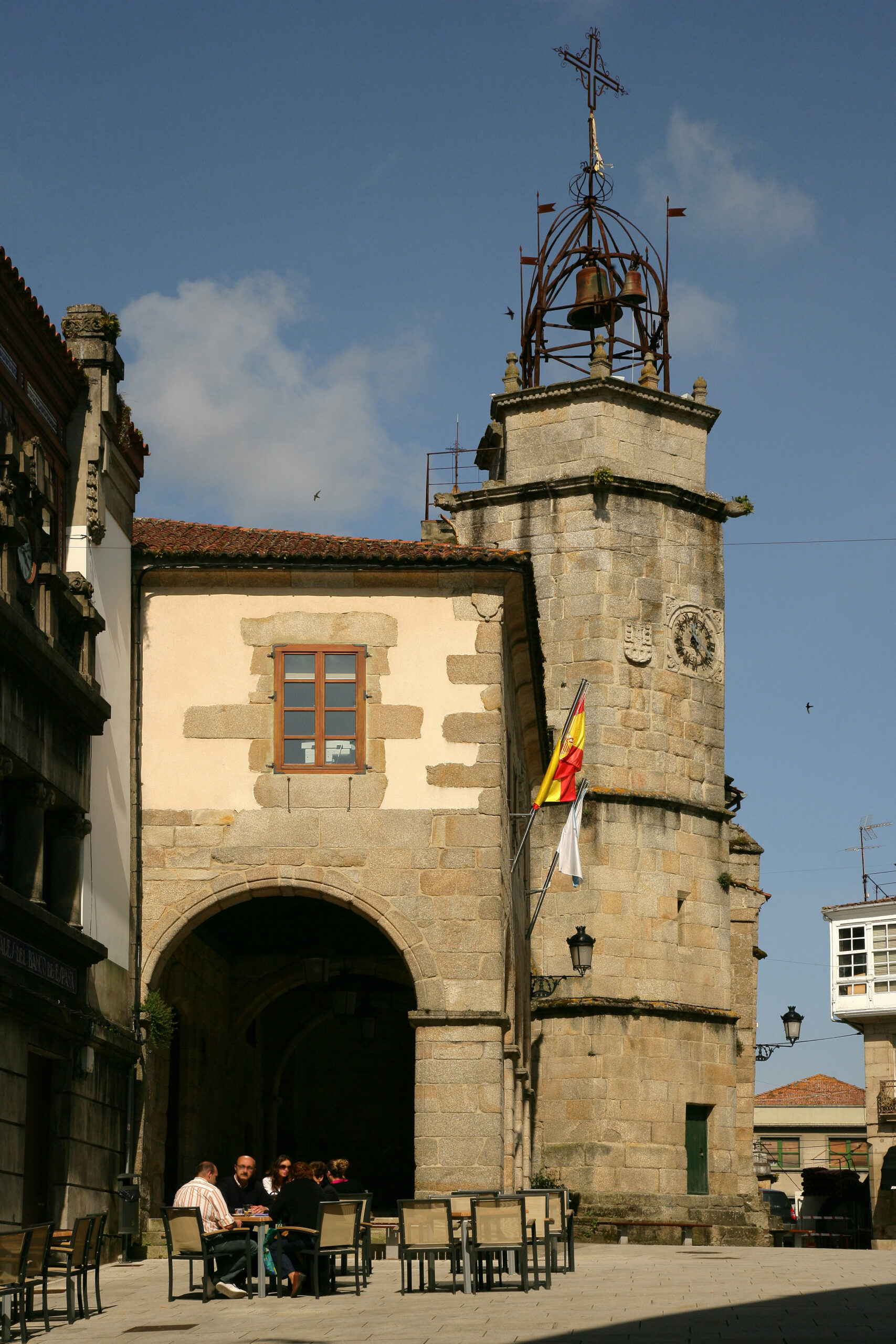
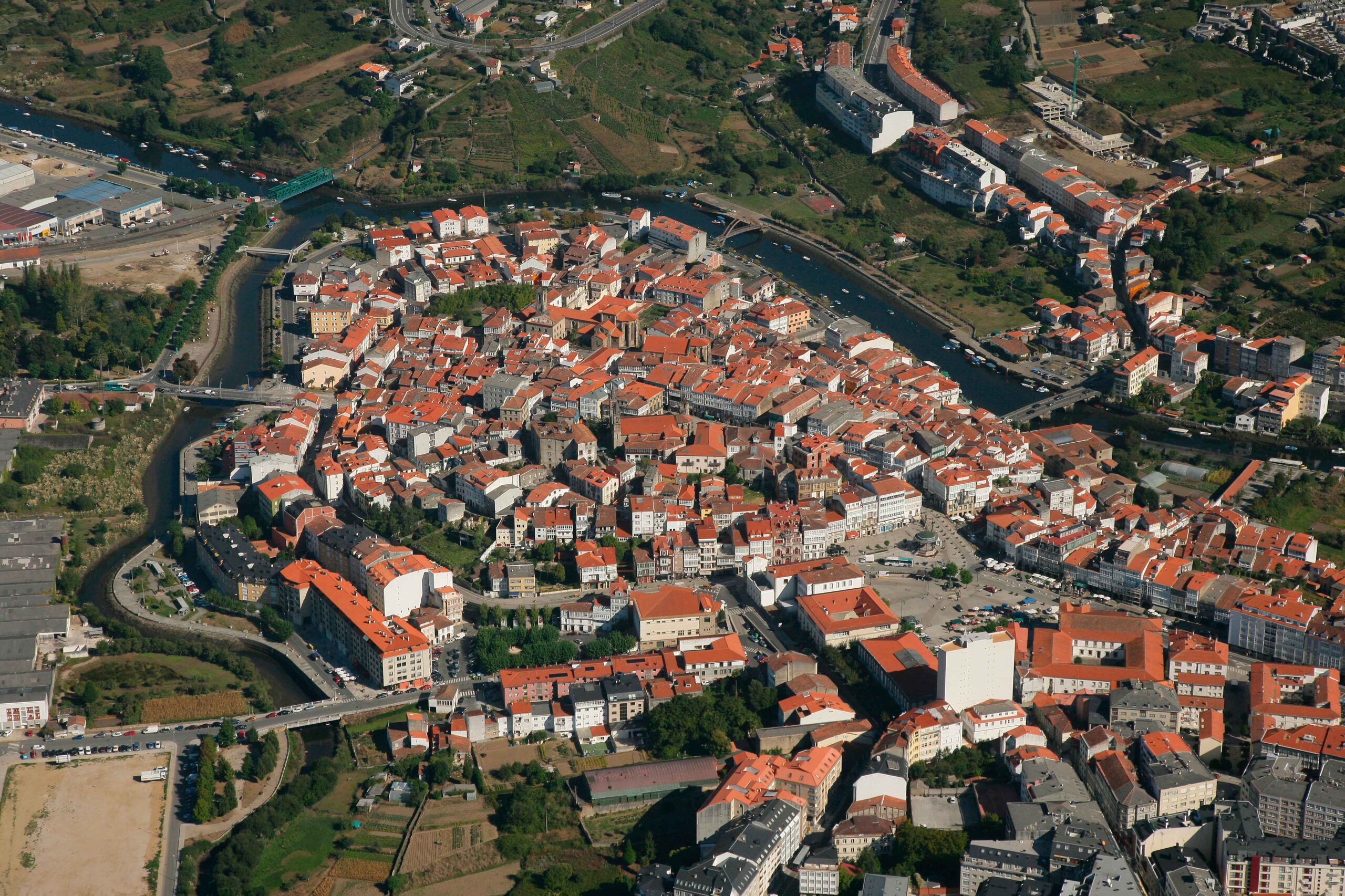
All in all, the most important town of these ancient “Mariñas dos Condes” is Betanzos, considered the “Gothic capital” of Galicia. The town is located at the confluence of the Mandeo and Mendo rivers, which flow here into marshes of great natural importance. The historic centre of Betanzos was marked in the fourteenth century with the construction of churches such as those of San Francisco, Santiago and Santa María do Azougue, the best examples of Gothic art in Galicia. From later centuries are the Municipal Tower, the palace of Lanzós or what remains of the walls of a city that resurfaced in the nineteenth and twentieth centuries, which have left beautiful modernist examples in its urban fabric. From the last century comes the unique legacy of the García Naveira brothers, benefactors from Betanceiros who built numerous public buildings and were promoters of one of the greatest architectural singularities of Galicia: O Pasatempo, an educational park in which you could visit, without leaving its borders, the wonders of the world (the pyramids of Egypt, the Chinese wall, the Panama Canal, Versailles, the Vatican and even the caves of the underworld) and meet exotic animals built in stone and cement.
Land of wines, which are recovering prestige in recent times, Betanzos is known for its potato omelette, with undercooked egg, which happens to be one of the best in the world. The local gastronomy can be found in the lively centre of the town, in numerous tapas bars and restaurants such as Mesón O Pote, San Andrés or Casanova (Betanzos).
Miño is another of the most popular towns in the area for tourists. Its long beach is one of the pioneers for the sector in Galicia. In its urban area, from which you can see the marshes formed by the Mandeo and Lambre rivers, is the La Terraza hotel, one of the most outstanding in the area.

Other regions
Others
Barbanza Sar

Muros-Noia, the natural incentive

Portuguese way in the province A Coruña


Designed and developed by Serglo, technological solutions applied to events | Privacy policy | Legal notice