
Muros-Noia, the natural incentive
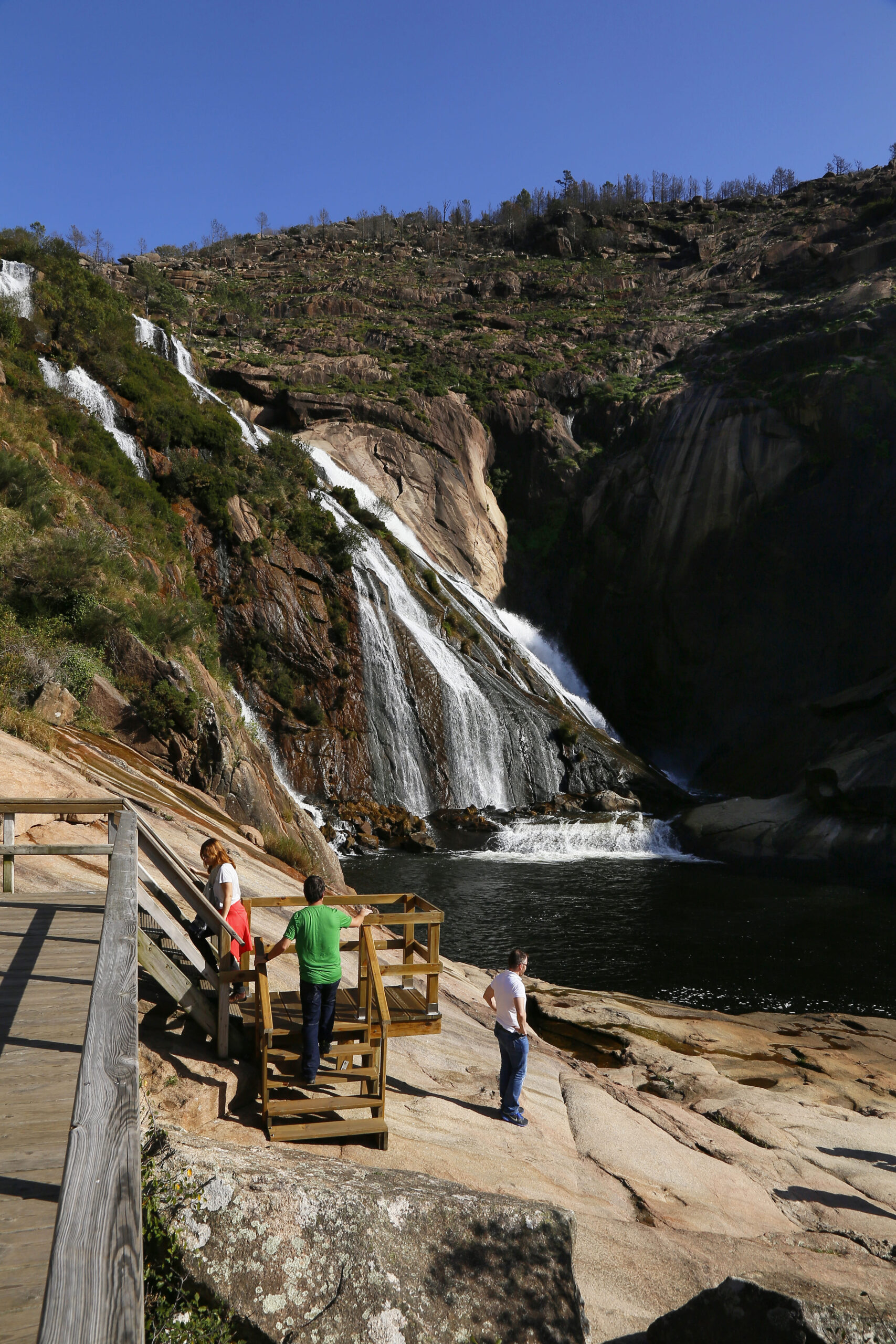
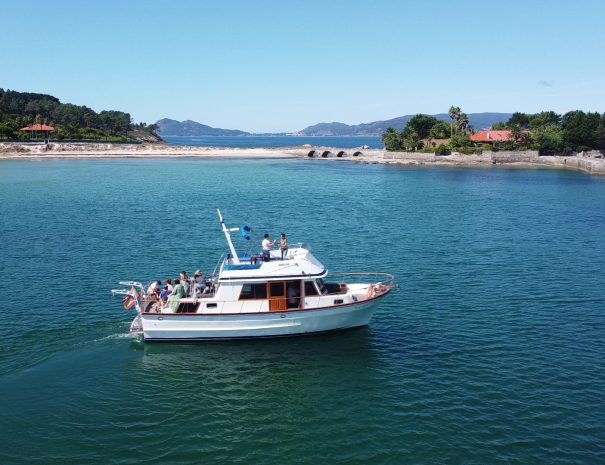
Nature has taken special care in the landscape of the regions of Muros and Noia, the southern start of the Costa da Morte and the first of the Rías Baixas, respectively. This territory is especially suitable for those who want to complement an event with parallel, incentive or team building experiences that can range from a reconnaissance of the coastline by boat or paddle surf to a kayak tour through a waterfall that pours its water directly into the sea, as well as a fishing experience with local sailors.
Several companies in the area offer these types of activities, perfect for rounding off a major conference and making it truly memorable. O Chivo, in Muros, collaborates with local guides to showcase the maritime traditions of this region through excursions, offering opportunities to practice sport fishing with expert sailors or simply enjoy the estuary with a boat trip accompanied by a delicious seafood meal. From O Pindo (Carnota), at the base of the spectacular O Ézaro waterfall, companies like Atlantis Aventura showcase this environment, where the Xallas river flows into the Atlantic, plunging down a 40-meter-high canyon, both by kayak and on a paddle surf board.
These are lands that treasure a great historical heritage. Noia is the head of the region to which it gives its name, which also includes the municipalities of Lousame, Outes and Porto do Son. The town has traditionally been considered the “port of Compostela” (as the well-known song of Los Tamara said) and its historic center is worth a visit (if possible, explained by an official guide). Witness to Norman invasions and the commercial boom with the New World, the town preserves jewels such as the Romanesque church of San Martiño or that of Santa María a Nova, which houses a curious collection of laudas or stelae dedicated to different medieval professions.
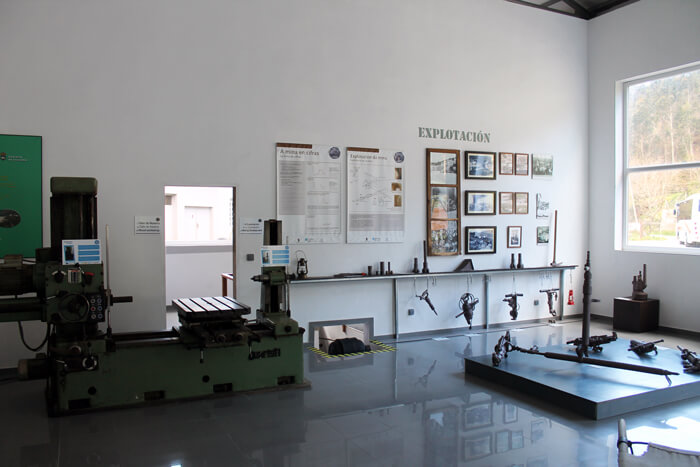
The Tambre River can be kayaked upstream in its lower section (with companies like Amextreme Aventura), but further upstream it becomes a canyon, surrounded by thick riverside forests. In this area it is possible to visit the Toxosoutos Monastery (Lousame), founded in the 12th century, but also other much later constructions that explain the industrial development of Galicia at the beginning of the 20th century, such as the monumental hydroelectric power station planned in Santa María de Roo by the architect Antonio Palacios (author, among others, of the Communications Palace of Madrid, now the headquarters of the City Hall), or the now inactive tin and tungsten mines of San Fins (Lousame), which can be visited on request.
Noia
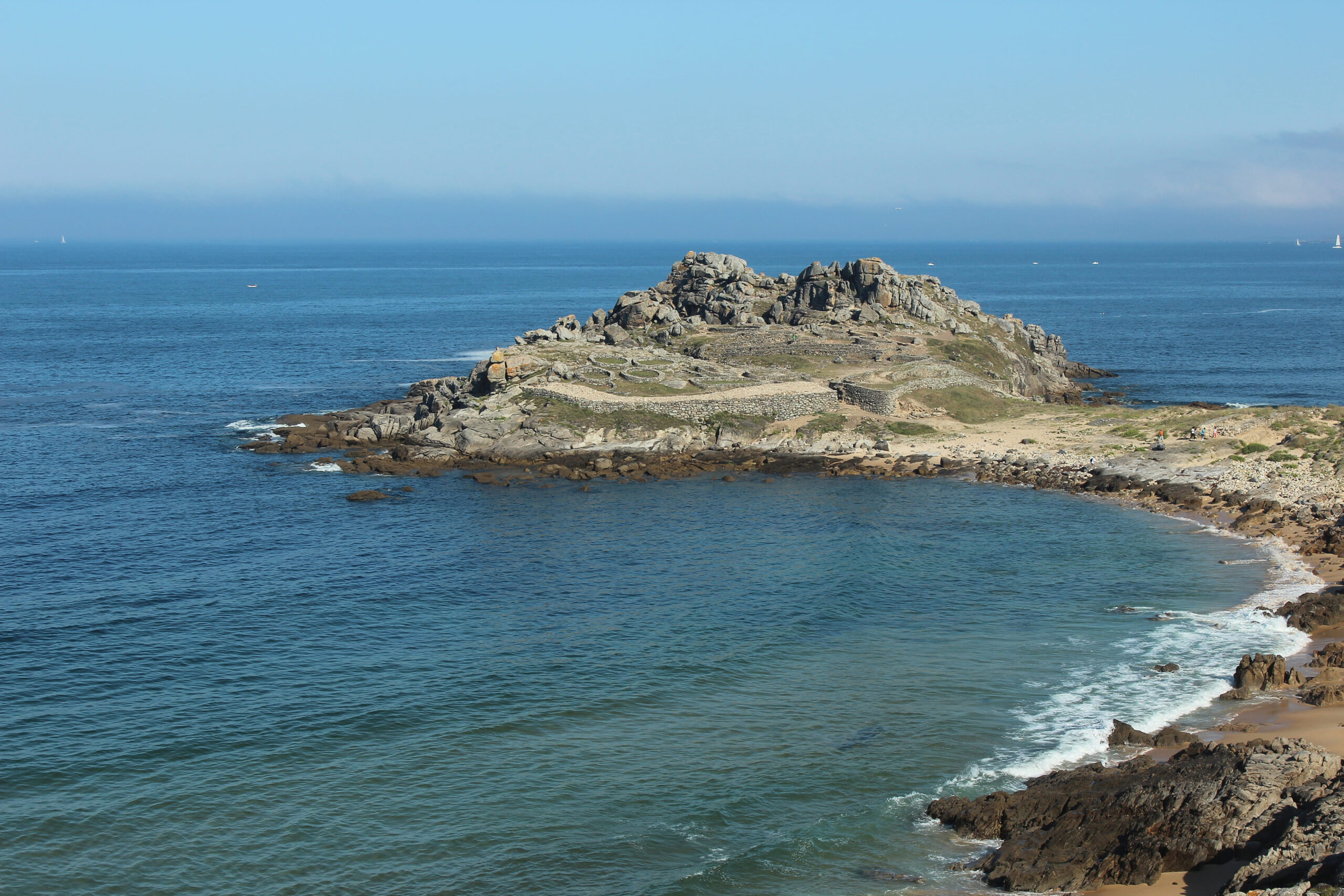
The region of Noia also includes the south face of the estuary, full of long beaches of golden sand, still free of mass tourism. One of them, that of Baroña (Porto do Son), hides at one end an imposing pre-Roman fort that can also be visited by reservation from its interpretation centre.
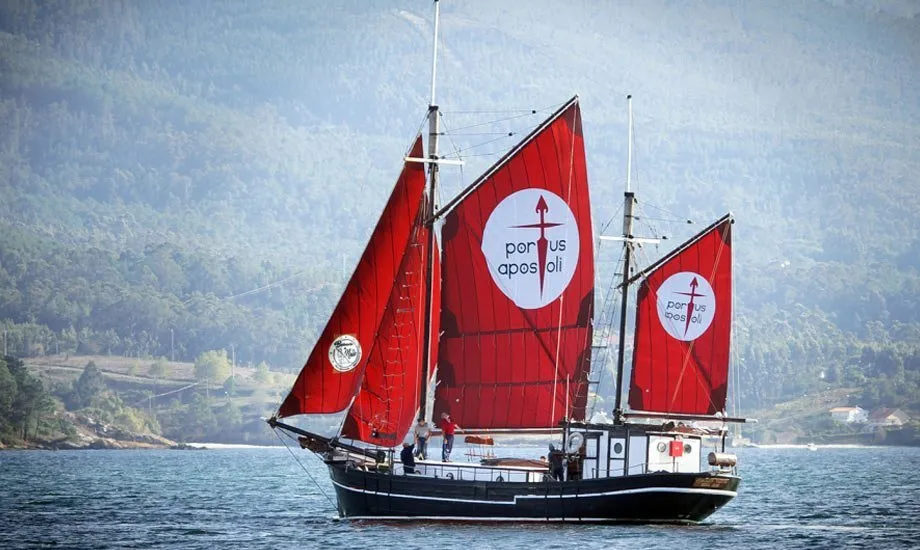
As the head of the region, Noia has some well-arranged spaces for small or medium-sized meetings, such as the historic Noela Coliseum, a century-old theatre, and a good hotel infrastructure with establishments such as the Hotel Park or the Hotel Noia. A day of incentive and active tourism cannot end without recharging your batteries with the traditional cockle empanada (be careful, the filling is cooked with the shell included to maintain its flavour!) or with a visit to the small port of O Freixo (Outes) to try its freshly caught seafood. The beautiful Joaquín Vieta sloop is based on this pier, also available to make the estuary known to groups of tourists.
The north face of the estuary is part of the region of Muros, of which it is also part of this municipality and that of Carnota. This is a wild and little-known coast, although the historic centre of Murada is among the best preserved on the Galician coast, with its port, its narrow streets and its arcaded houses. It is a good place to organize side activities for an event, almost all focused on nature, such as a visit to the mouth of the Maior River in Esteiro; to the huge beach of Carnota and to the largest granary in Galicia, located in the town; or, as mentioned above, the imposing Mount Pindo and the Ézaro waterfall. In the latter place, the most daring will emulate the cyclists of the Vuelta a España and will ascend to the viewpoint by bicycle… even if it is electric.

Other regions
Others
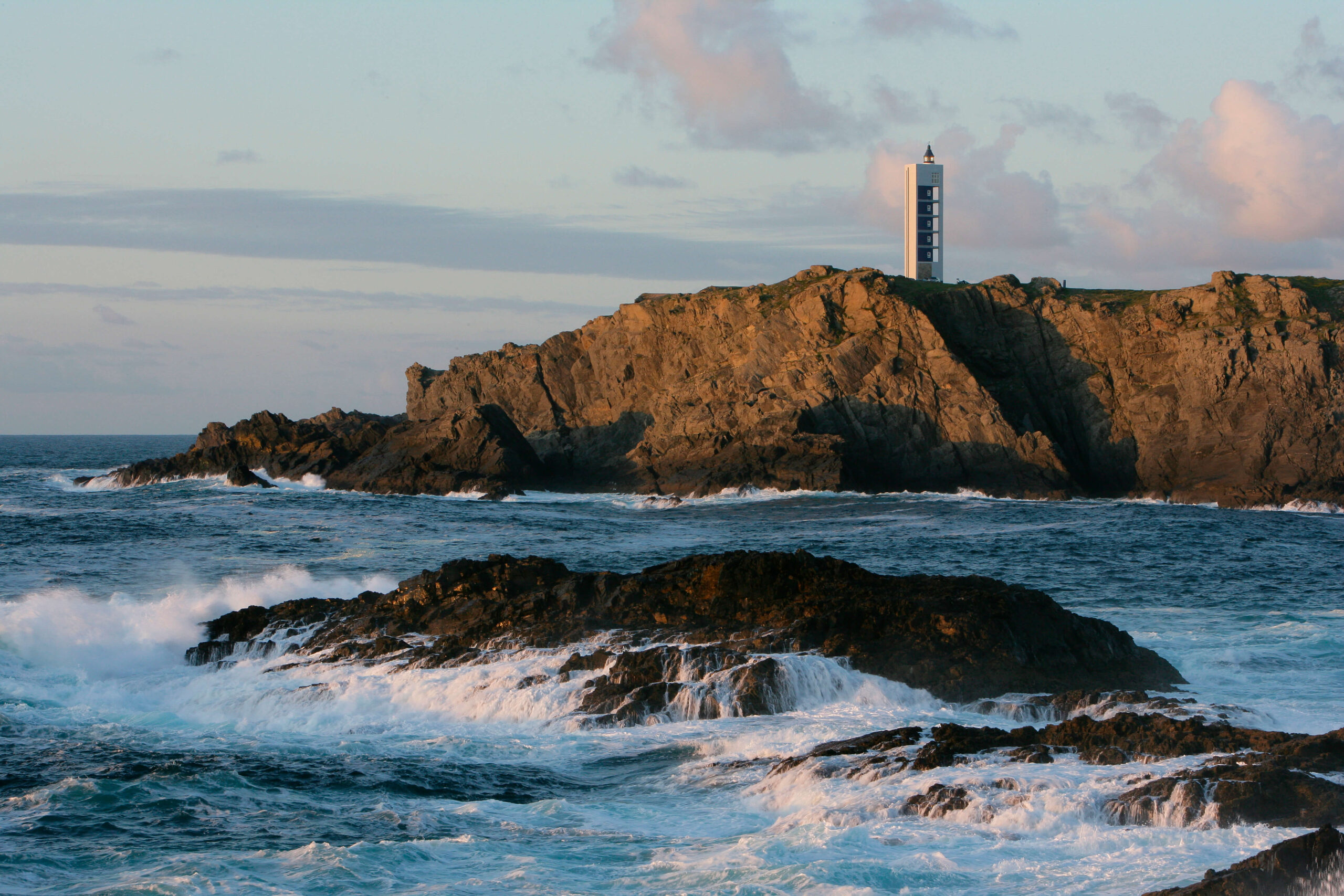
The sea, a great attraction in the regions of Ferrol and Ortegal
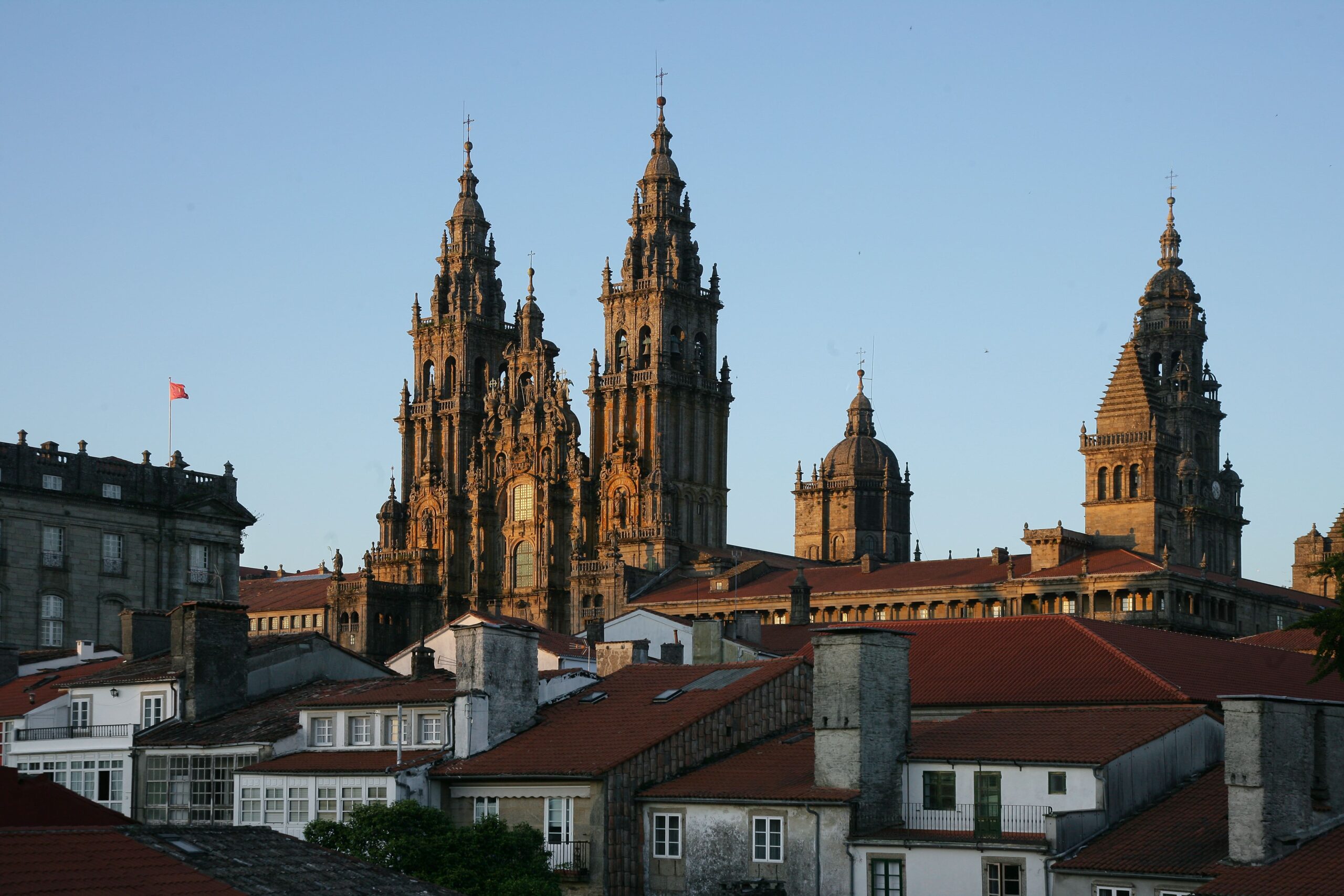
Organizing a congress in Compostela, the Jacobean destination
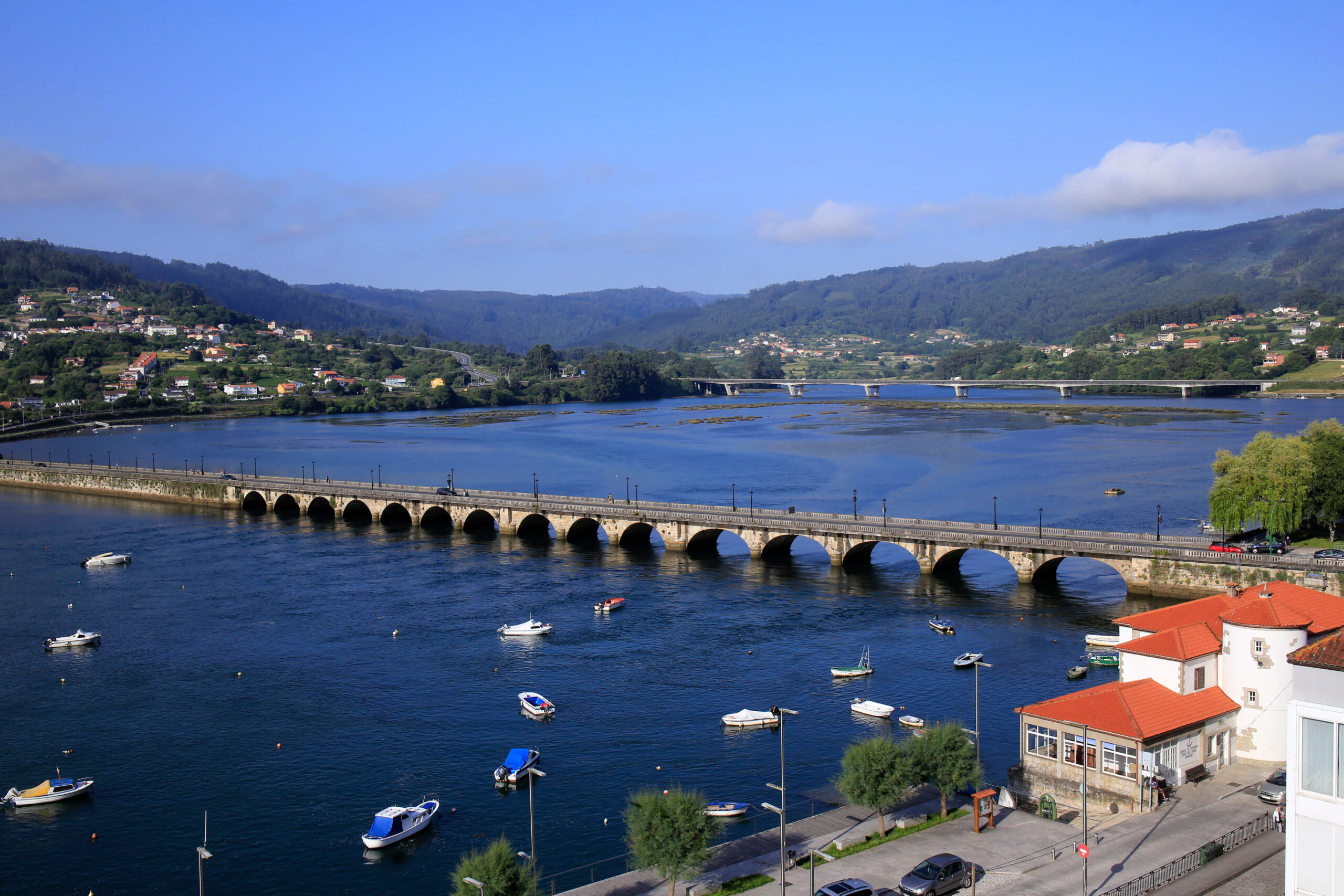
English way in the province of A Coruña

Designed and developed by Serglo, technological solutions applied to events | Privacy policy | Legal notice