
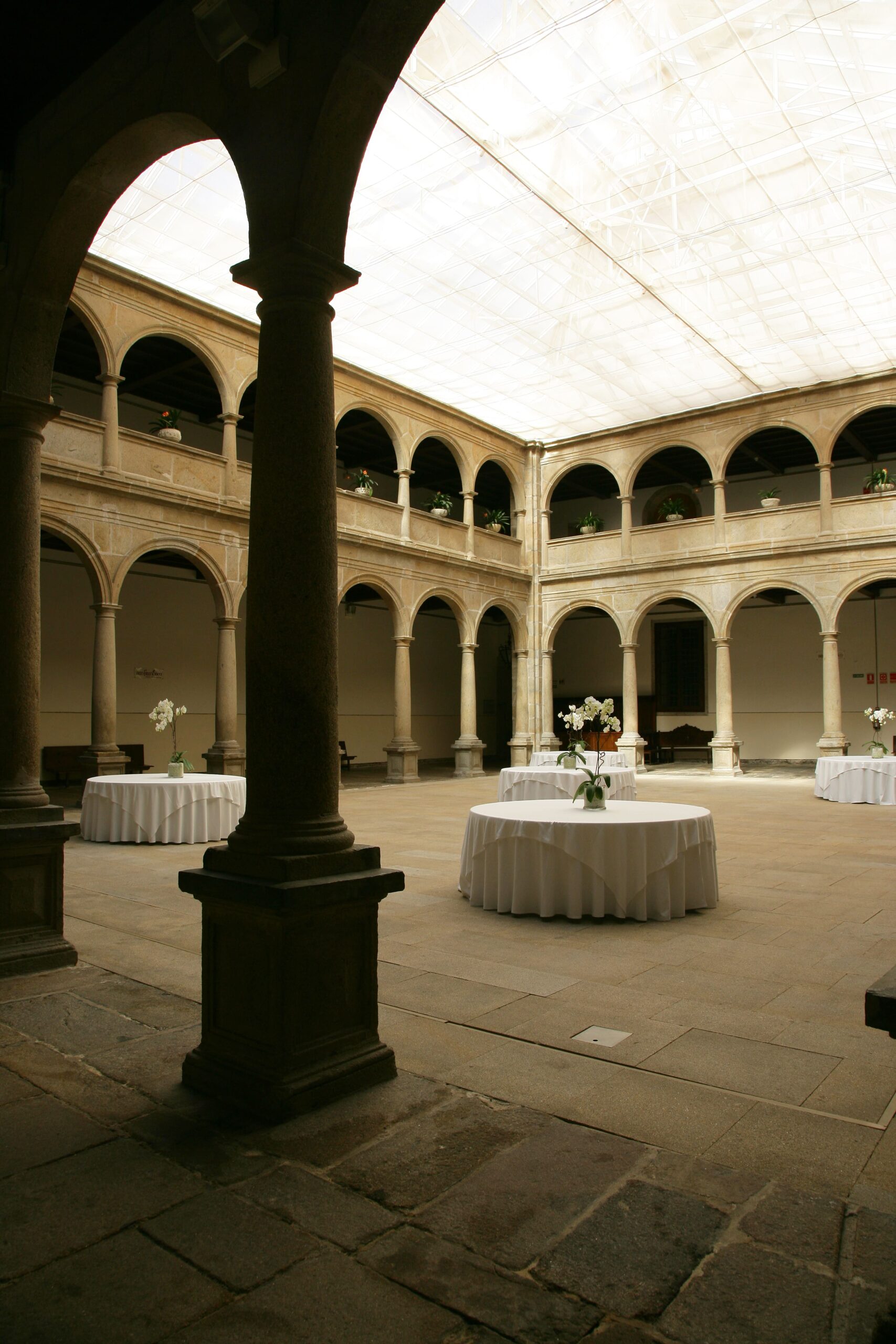
Organizing a congress in Compostela, the Jacobean destination
Thousands of pilgrims and tourists come to Compostela every year, attracted by its historical heritage and the Camino de Santiago. So do the large number of congress attendees, whose number has not stopped growing in recent years. There is a reason for this: the city has some of the best infrastructure in the community to host events, as well as outstanding hotel capacity, a vibrant cultural life and endless possibilities to complement meetings with a relevant social programme.
In terms of convention infrastructure, Santiago is home to the recently renovated Galicia Conference Centre, with capacity for more than 2,000 people. Even larger is the exhibition area of the Recinto Feiral de Amio, with 14,000 square meters of exhibition space. Other locations where a large meeting can be organized are the different rooms offered by the Cidade da Cultura de Galicia, the two centers that Afundación has, or the large stages of the Auditorio de Galicia.
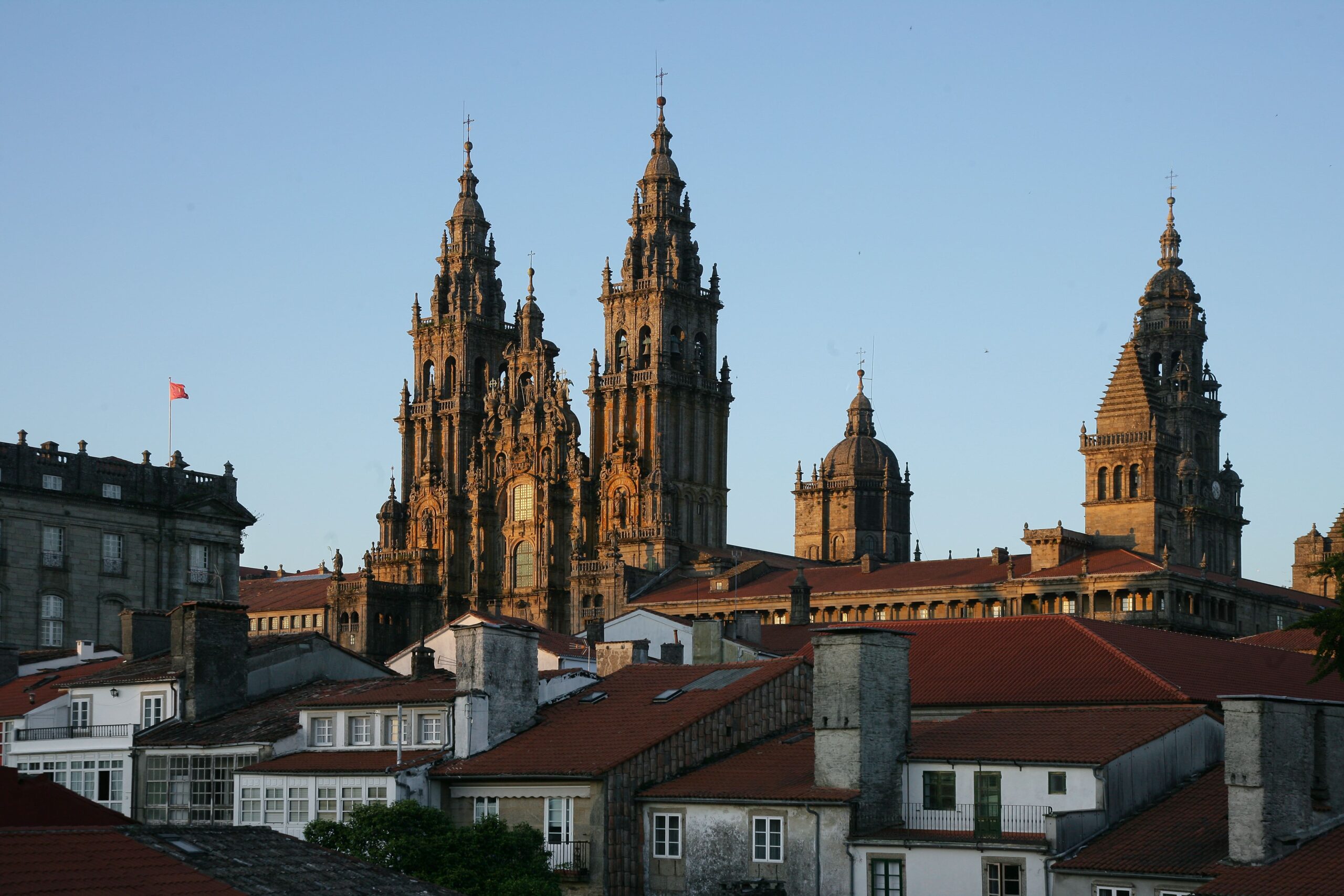
As a city that receives mass tourism, Compostela also enjoys an unparalleled hotel offer in Galicia. Some of the hotels that offer both accommodation and possibilities for the organization of events are the Parador Hostal dos Reis Católicos, Eurostars Araguaney, Eurostars San Lázaro, Eurostars Gran Hotel Santiago, Gran Hotel Los Abetos, Hesperia Peregrino, Hotel Compostela, NH Collection Santiago de Compostela, OCA Puerta del Camino, San Francisco Hotel Monumento, Tryp Santiago, Virxe da Cerca, Pazo San Lorenzo or Casa Grande do Bachao.
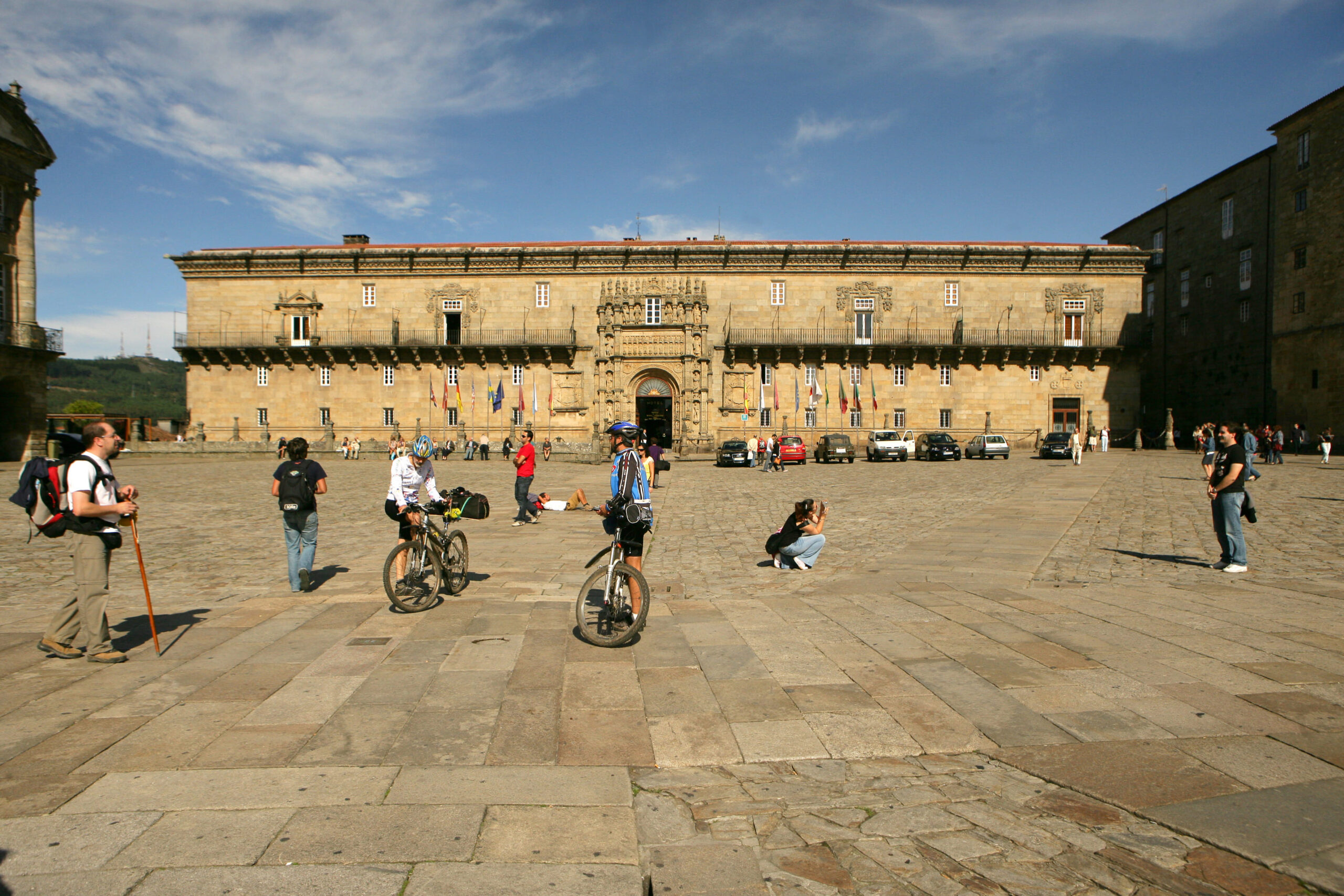
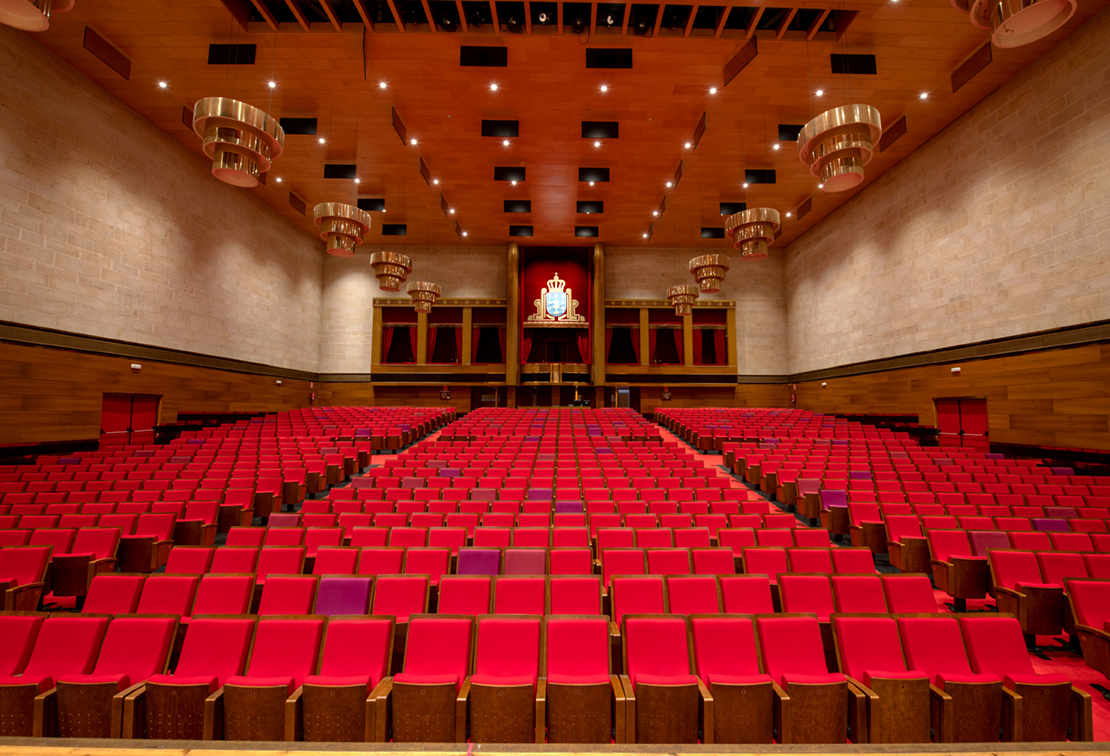
The Compostela, the city itself, is the experience. Its historic centre, presided over by the Cathedral in which the remains of the apostle Santiago are kept, was declared a World Heritage Site by UNESCO three decades ago. The temple, of Romanesque origin and a masterpiece of the Galician Baroque, is surrounded by medieval streets, arcades, with numerous buildings from the eighteenth and nineteenth centuries and admirable pieces such as the Hostal dos Reis Católicos, the Pazo de Bendaña, the monastery of San Martiño Pinario, the fountain of the horses in the Plaza de Praterías… Each street exudes history and beauty. At one end of the old town is the food market, the second place that receives the most tourist visits in the city. It’s normal: here you can contemplate the Galician gastronomic product in all its splendour, fresh from the ports or nearby farms. A guided tour with tasting is a very popular option among those who organize events in the city and always leaves a pleasant impact on the congress participants.
In any large event that is organized in Santiago, a social section is essential that allows attendees to get to know the gastronomy of the city. As the capital of Galicia, and thanks to its location, halfway between the coast and the main agricultural and livestock areas, Compostela is the perfect crossroads to get to know Galician cuisine. And although its best-known typical dish is a dessert (the almond cake of Santiago), in the city there are numerous avant-garde or traditional restaurants where you can enjoy an unforgettable dinner: three with a Michelin star (Simpar, the most recent, A Tafona by Lucía Freitas and Casa Marcelo, a pioneer of new Galician cuisine), and other very original ones such as Aldea de Sestelo, Cacao, Pazo San Lorenzo and the nearby Pazo Vista Alegre (Vedra). A great option for a meeting is to hire a caterer, and several companies offer excellent services in this regard such as Albarin Catering or Catering Almirez.
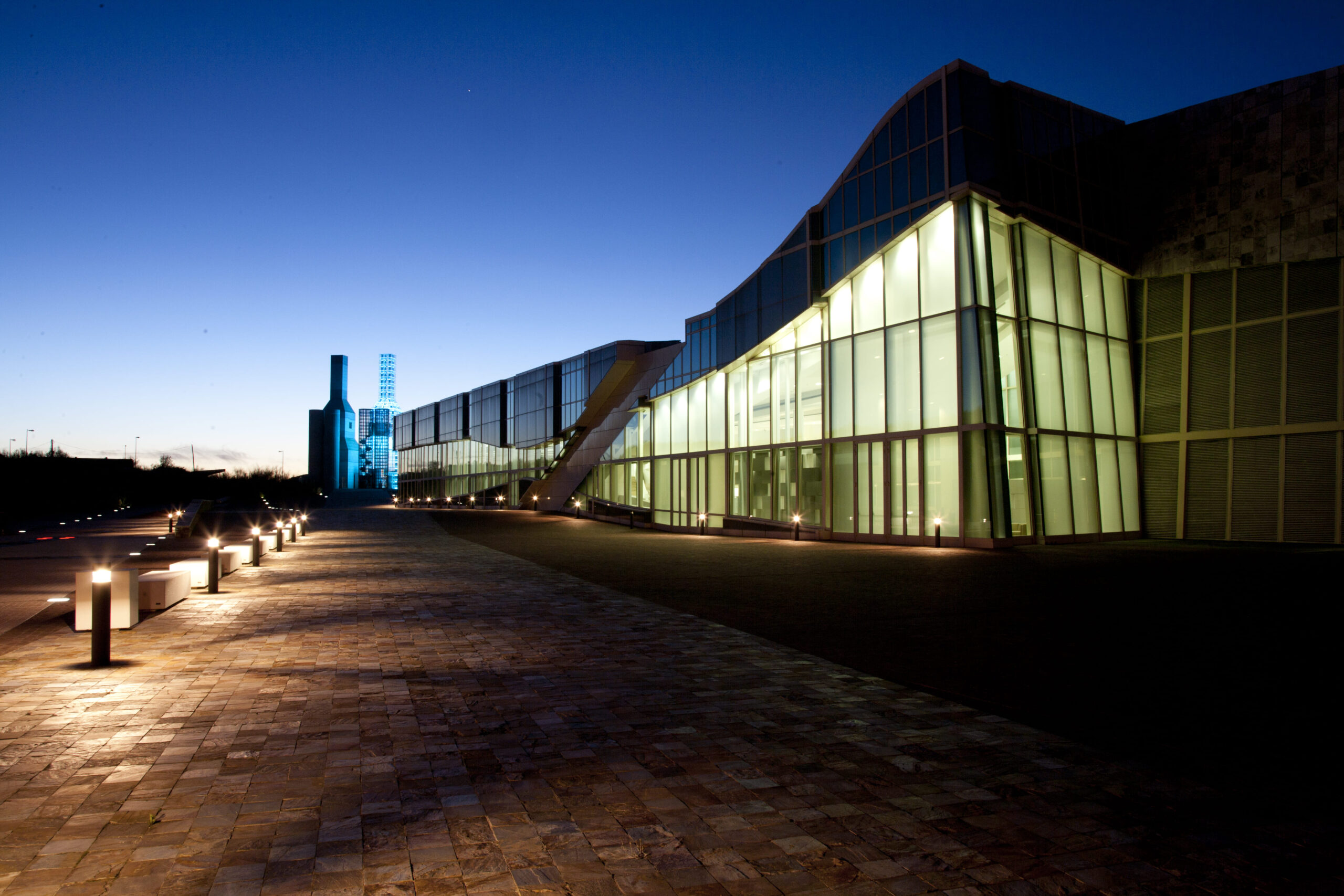
The city has been growing over the years, mainly since the seventies of the last century. The latest addition to the collection of contemporary buildings is the Cidade da Cultura de Galicia, located on Mount Gaiás, on the outskirts. The ensemble of buildings, designed by Peter Einsenman, hosts exhibitions and events, as well as concerts in a unique atmosphere.
Because Compostela is also known for its cultural atmosphere. A complementary activity that can be organized in the city is to attend one of the many music, film or performing arts festivals that are held throughout the year.
Other regions
Others
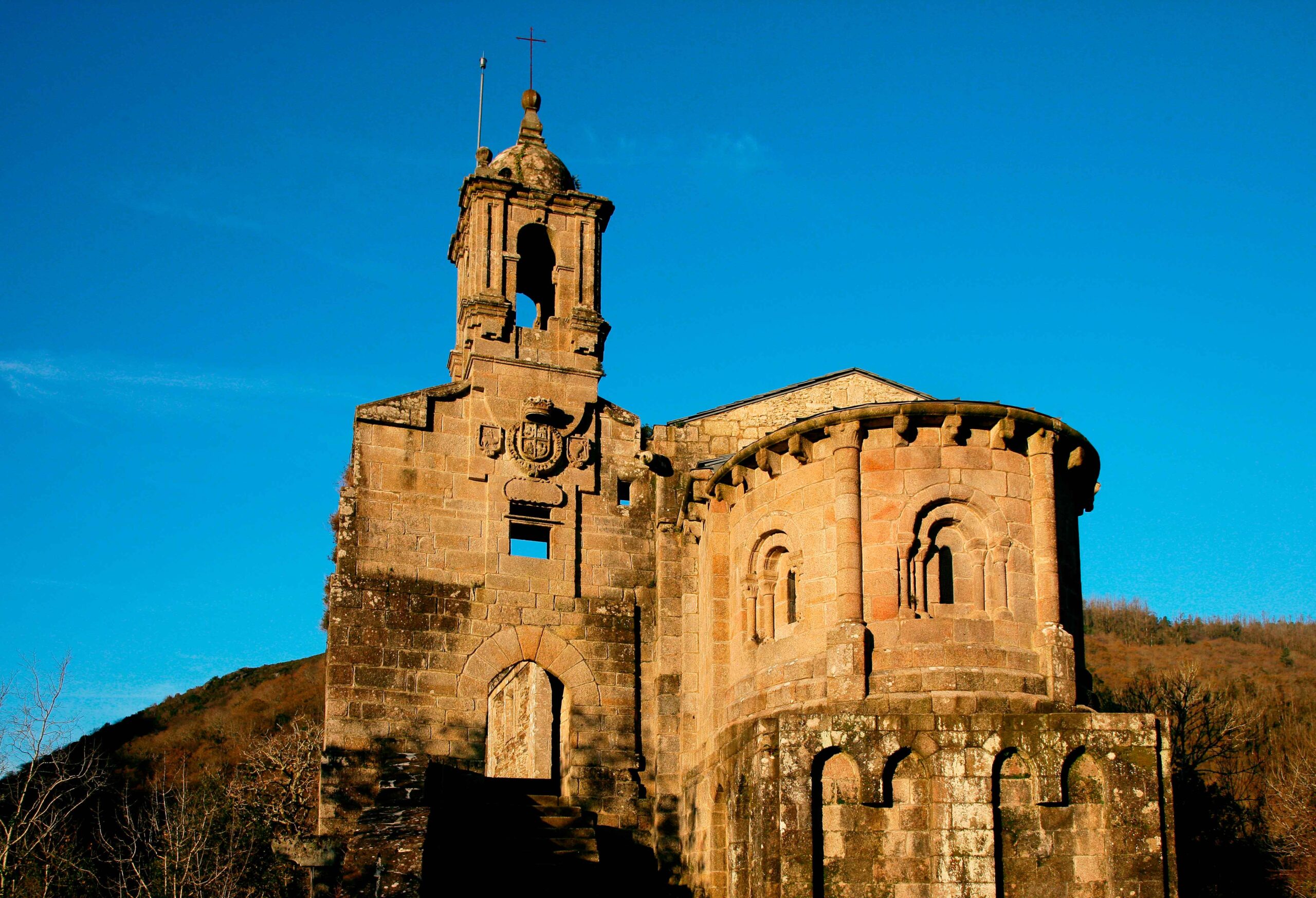
Eume and Betanzos, marked by rivers and history
Sunset on the Costa da Morte: regions of Fisterra, Bergantiños and Terra de Soneira
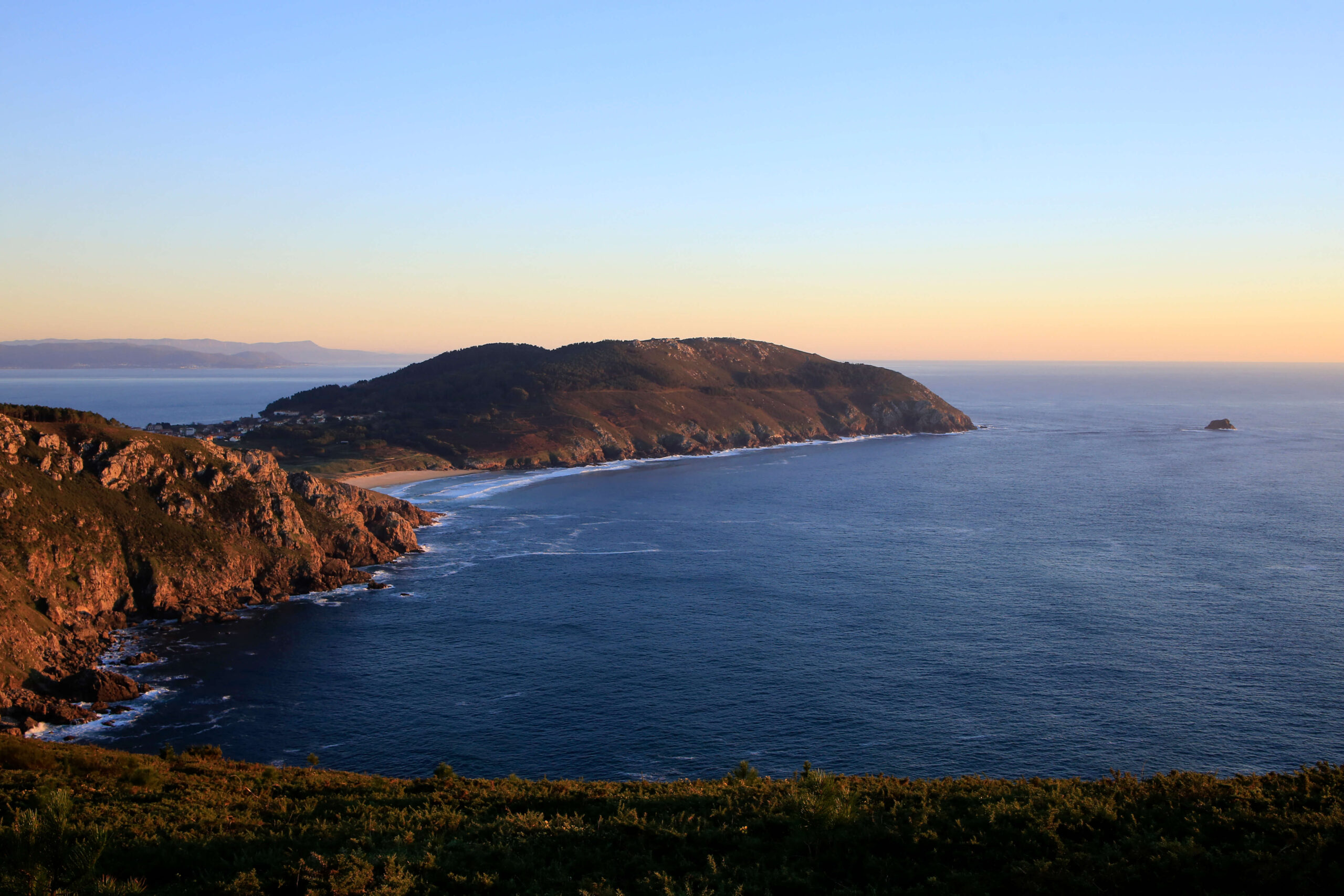
Fisterra-Muxía road in the province of A Coruña


Designed and developed by Serglo, technological solutions applied to events | Privacy policy | Legal notice