
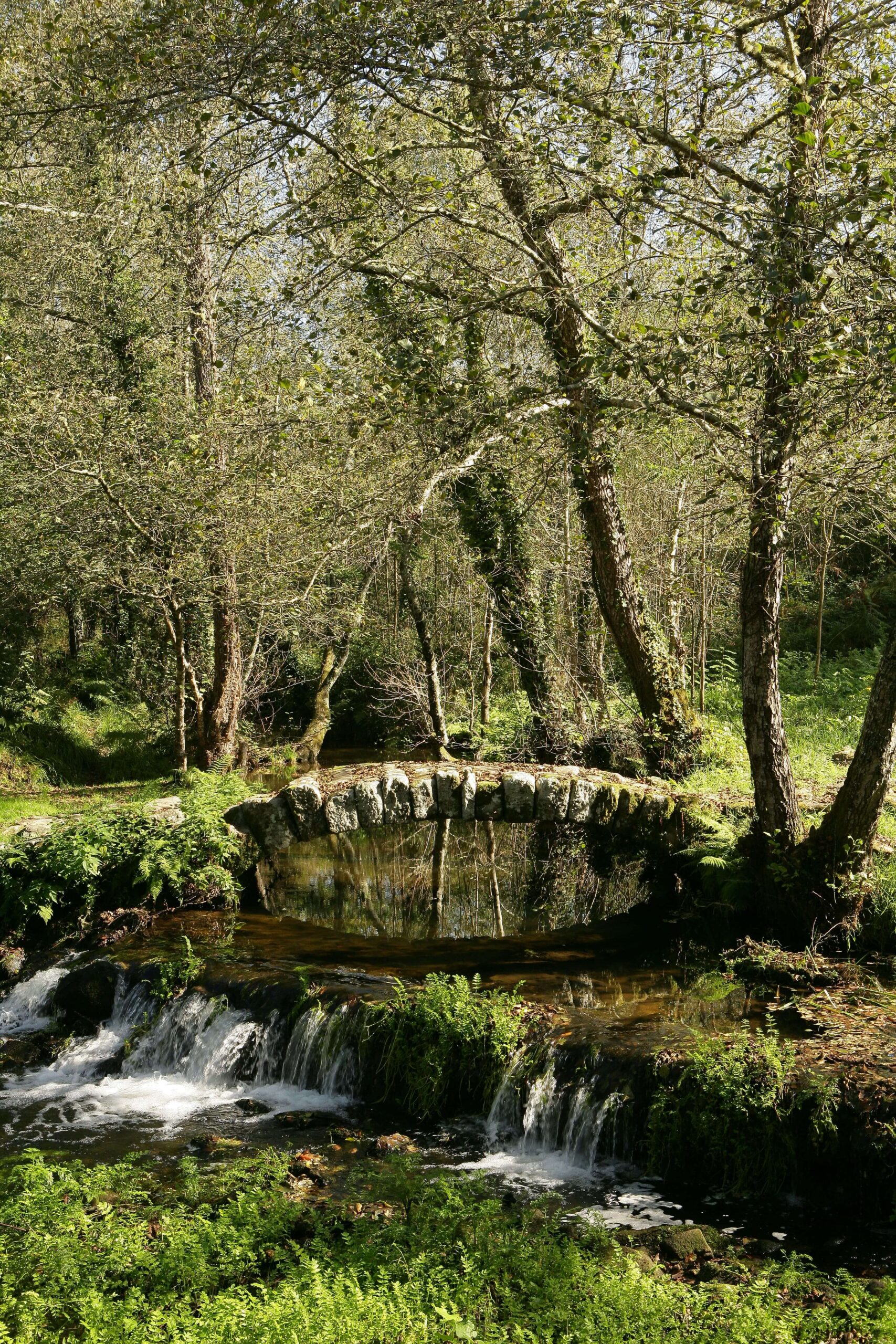
Portuguese way in the province A Coruña
The latest figures highlight the great growth in the number of pilgrims who travel the Portuguese Way, which has become the second busiest route after the French Way. This route, comfortable and full of services for pilgrims and groups, enters the province of A Coruña through the town of Padrón, passing over the mighty Ulla River. Many companies offer experiences for groups that can serve as a magnificent social culmination to a congress or as a team building experience for companies: Do Camino, Galician Roots, Santiaguea or Tee Travel stand out for their long history and comprehensive services.
Pilgrims who decide on this route usually travel the stretch between Padrón and Santiago (about 25 kilometres) in one or two days. Padrón is an enclave with a deep Jacobean link, because according to tradition the stone boat that transported the body of the apostle Santiago arrived here, going up the Ulla River. The church of Santiago de Padrón and the pedrón, a Roman altar that gives its name to the town and in which the boat was moored, commemorate this legendary event. The town is also the birthplace of literary figures such as Rosalía de Castro and Camilo José Cela. Its gastronomic tradition is embodied in the famous Padrón peppers, an essential part of the Galician identity.
The route continues towards Iria Flavia, an old episcopal centre, where the collegiate church of Santa María is located, linked to the early days of Christianity in Galicia. The itinerary then crosses the municipalities of Teo and Ames, showing a landscape of transition between the banks of the Ulla and the lands of Compostela: corredoiras, villages, cruceiros and Galician pazos mark the route. In Teo, the cruceiro de Francos, one of the oldest in Galicia, and the church of San Xoán de Calo, surrounded by a natural landscape of great beauty, stand out. Ames, on the other hand, preserves the rural essence with its granaries, oak groves and small hermitages that host traditional festivals.
The Portuguese Way enters the municipality of Santiago through the parish of Conxo, where the historic monastery of Santa María stands and where the gardens and forest annexed to the old psychiatric hospital are preserved. From here, pilgrims ascend to reach the heart of the city, where the Cathedral of Santiago stands as a spiritual and architectural destination, closing a journey full of history, devotion and cultural heritage.
Other regions
Others
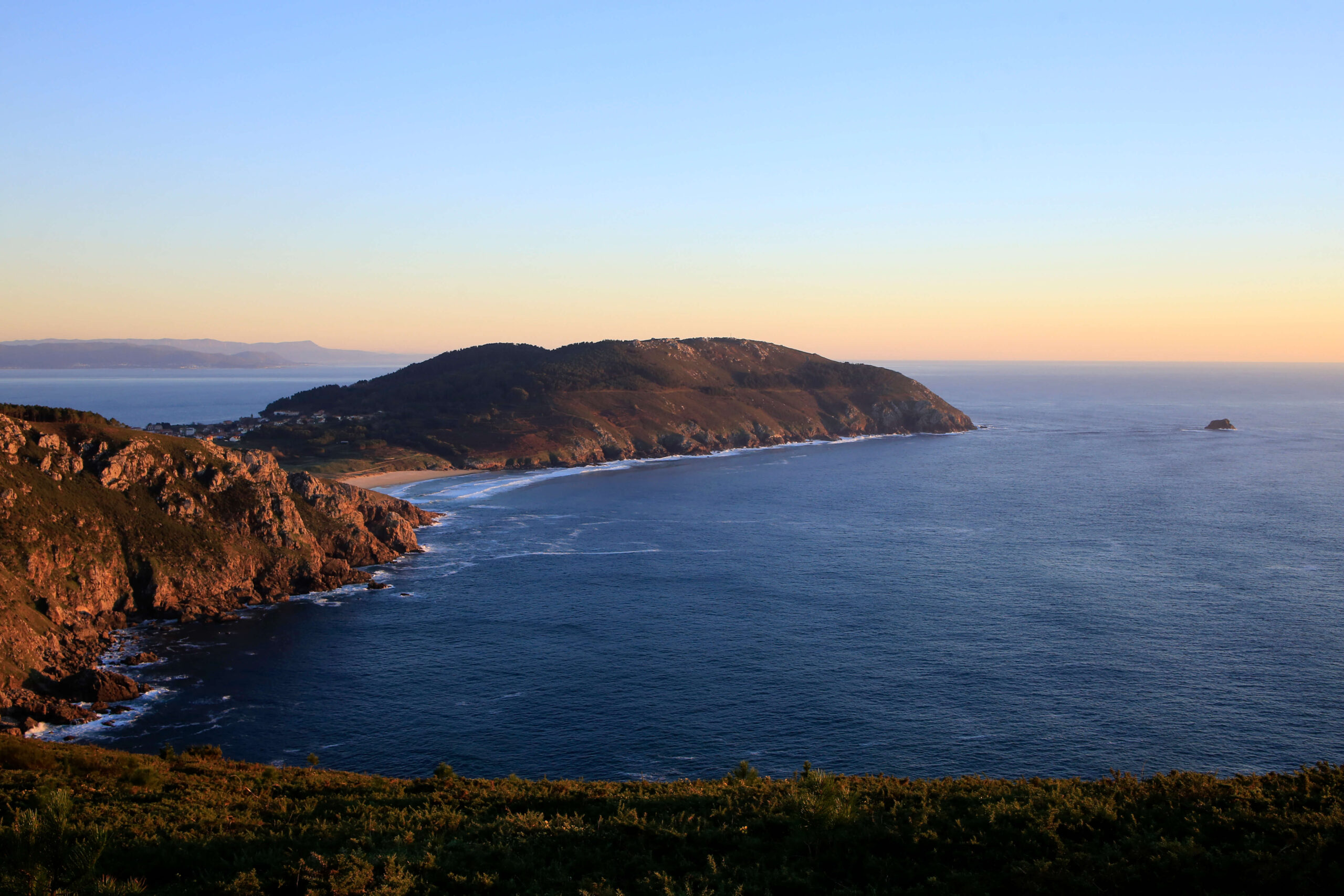
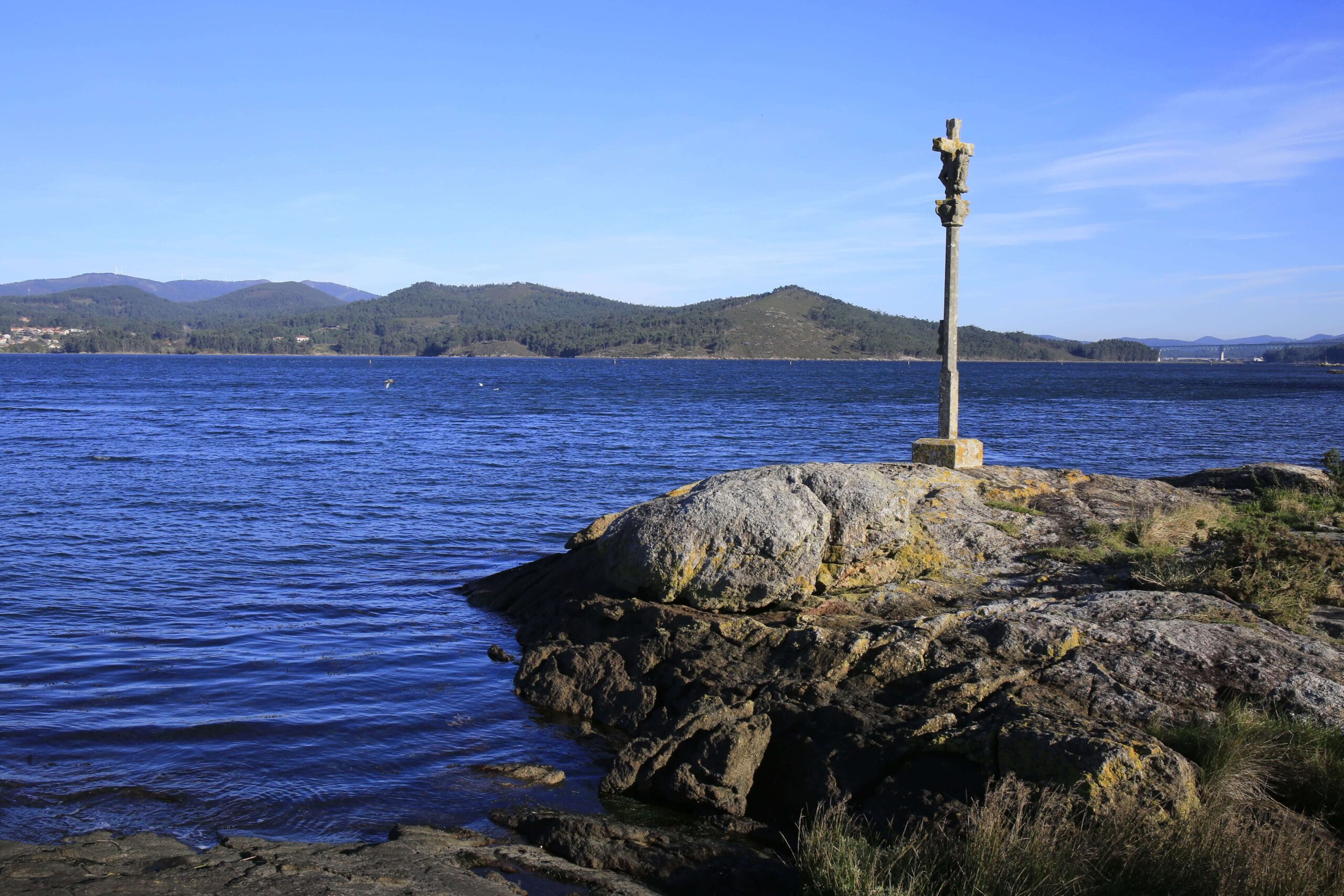
Fisterra-Muxía road in the province of A Coruña

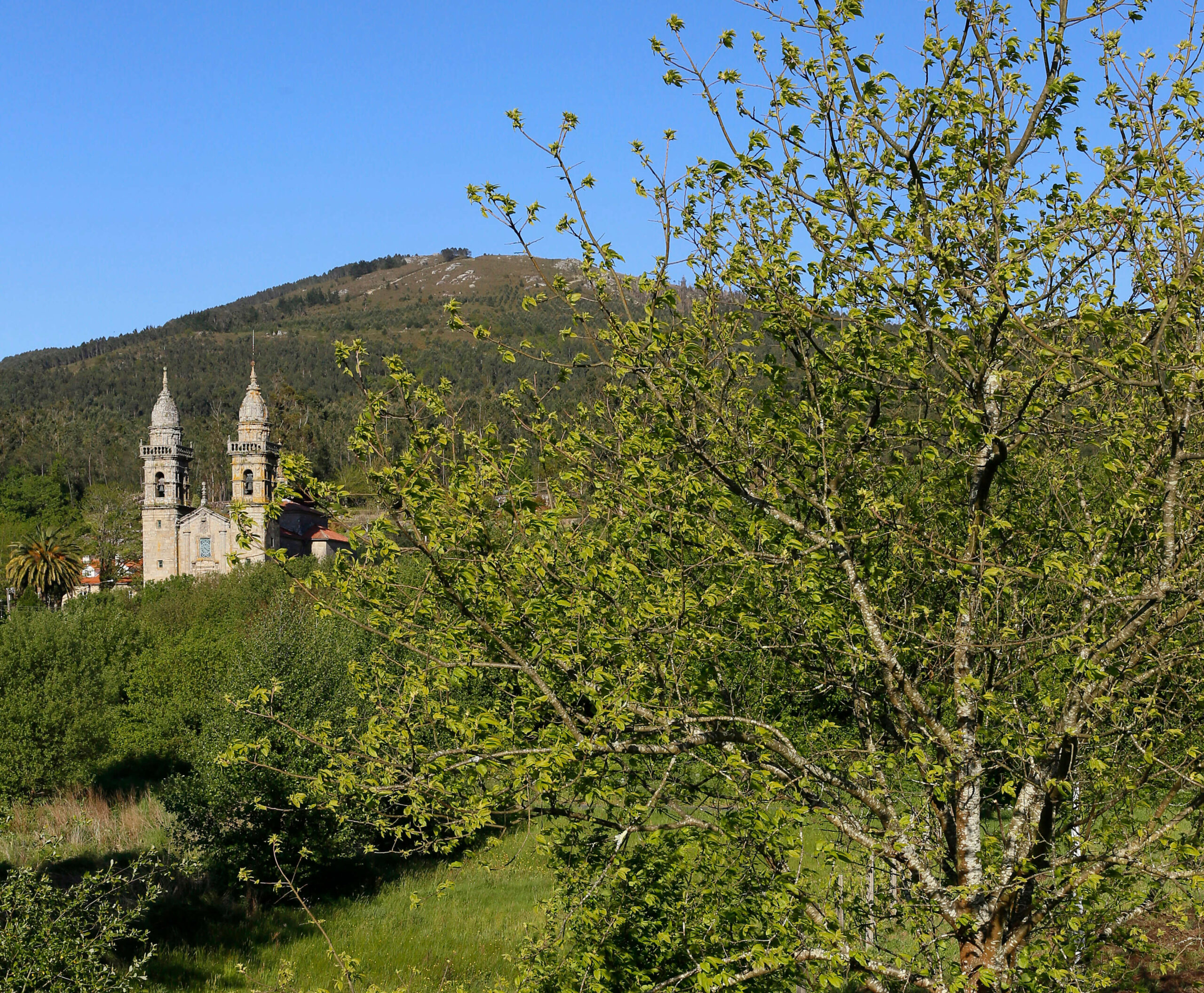
Muros-Noia, the natural incentive
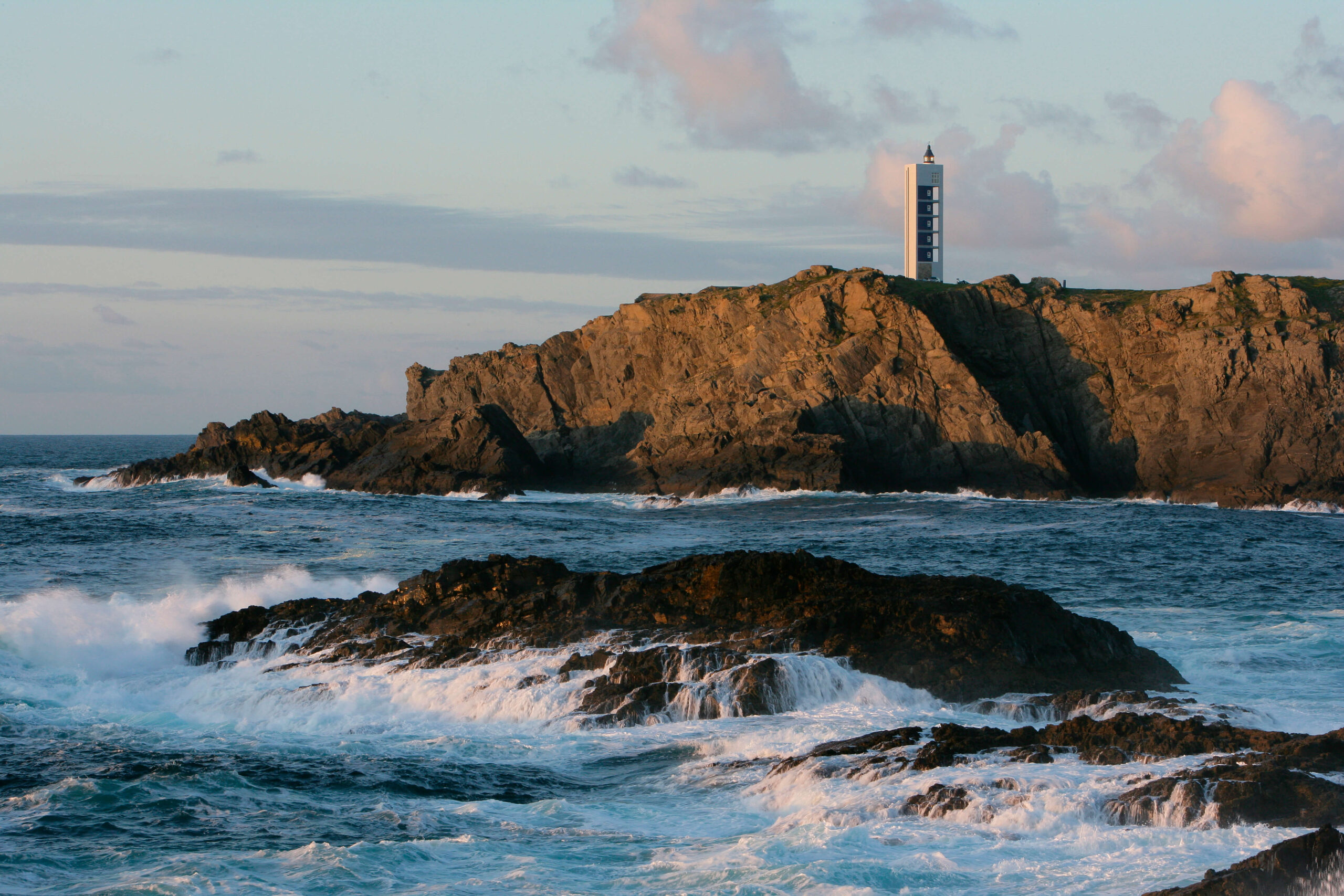
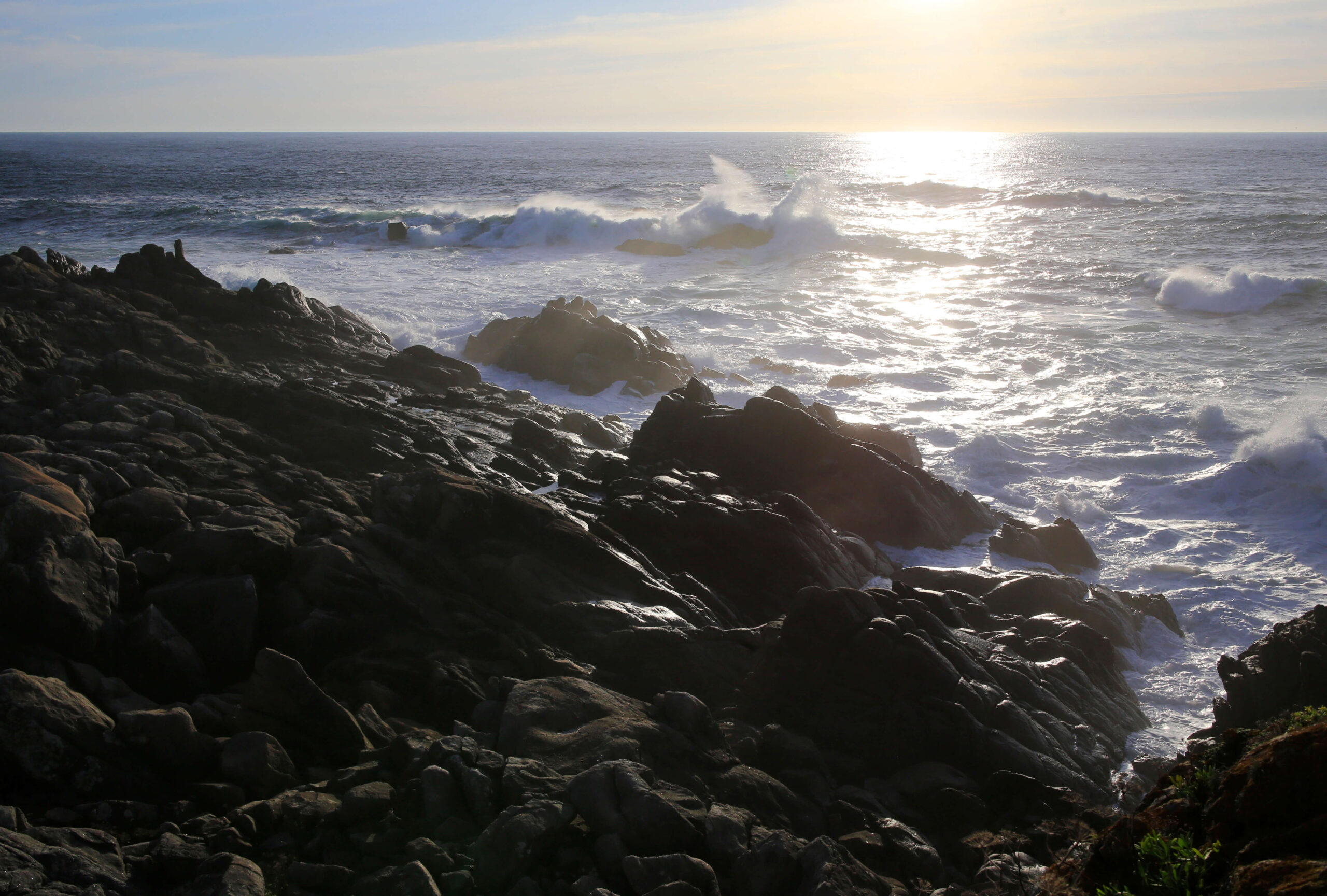
The sea, a great attraction in the regions of Ferrol and Ortegal

Designed and developed by Serglo, technological solutions applied to events | Privacy policy | Legal notice