
Sunset on the Costa da Morte: regions of Fisterra, Bergantiños and Terra de Soneira
The northwestern tip of the province of A Coruña, where the Costa da Morte is located, is known for its wild nature. However, this is a territory that is well prepared to receive meetings and congresses of the most diverse sizes. Its trade fair and hotel infrastructures, boosted in recent years by the boom in tourism, are perfectly complemented by the possibility of organising parallel and incentive activities of those that leave a mark on the attendees.
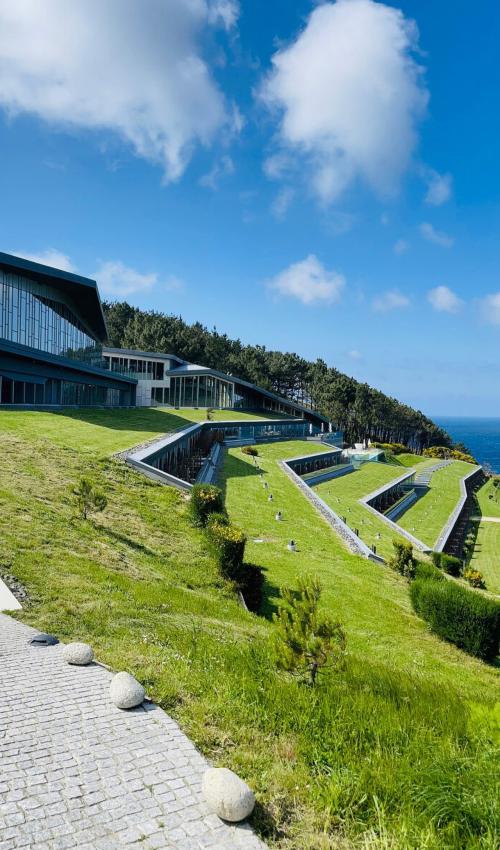
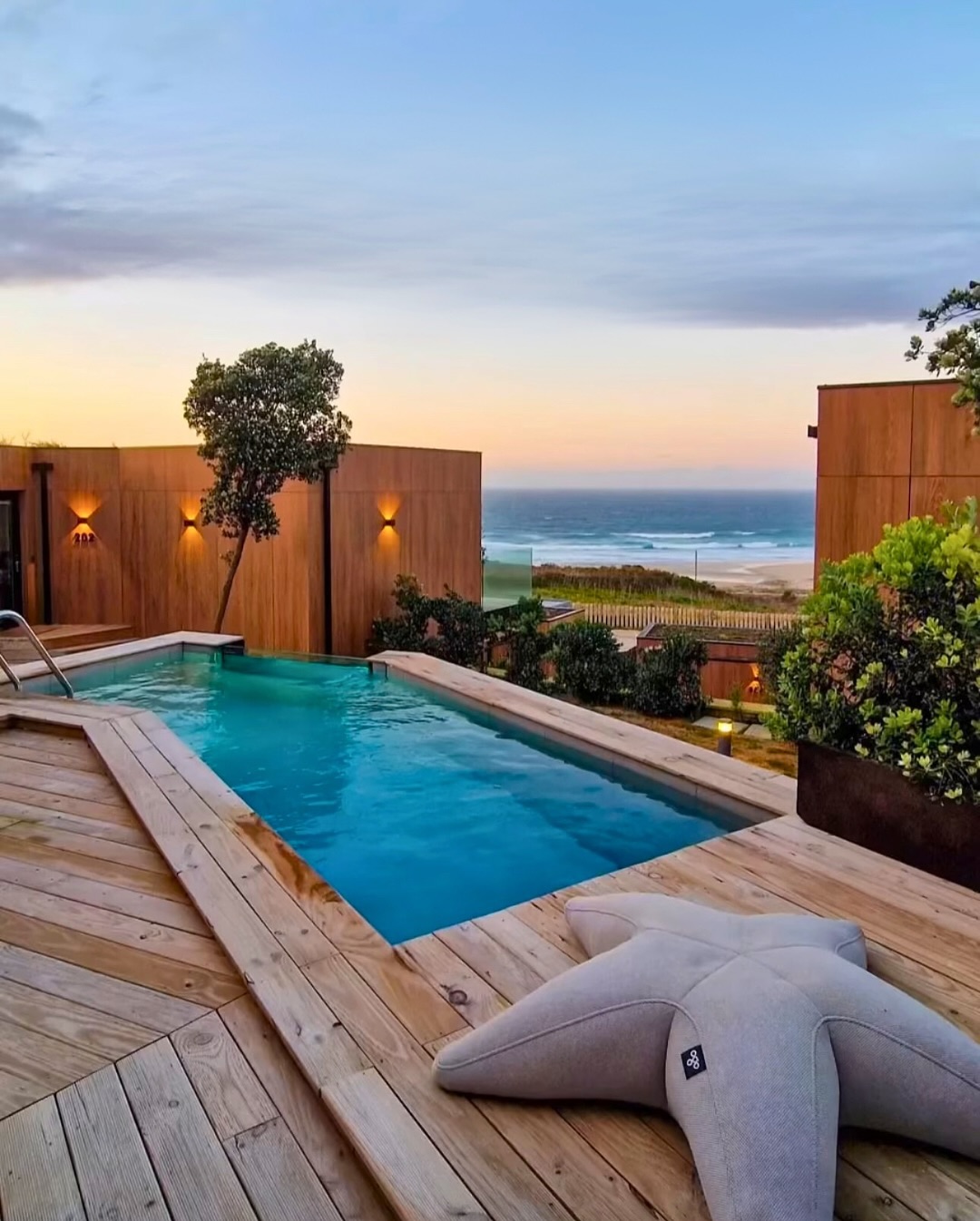
The regions of Fisterra, Bertantiños and Terra de Soneira have several venues capable of hosting large congresses and small work sessions. This is the case of the spectacular Parador Costa da Morte (Muxía), a glazed balcony overlooking the ocean inaugurated just three years ago. Carballo, the most inhabited town in the area, also enjoys facilities such as the Forum or the Pazo da Cultura, of large dimensions. In addition, other establishments such as the Pazo do Souto, Hotel Punta del Este or the cabins of the Nature Space (Carballo), Bela Fisterra or Dugium (Fisterra) offer the accommodation and infrastructure possibilities necessary for this type of convention.
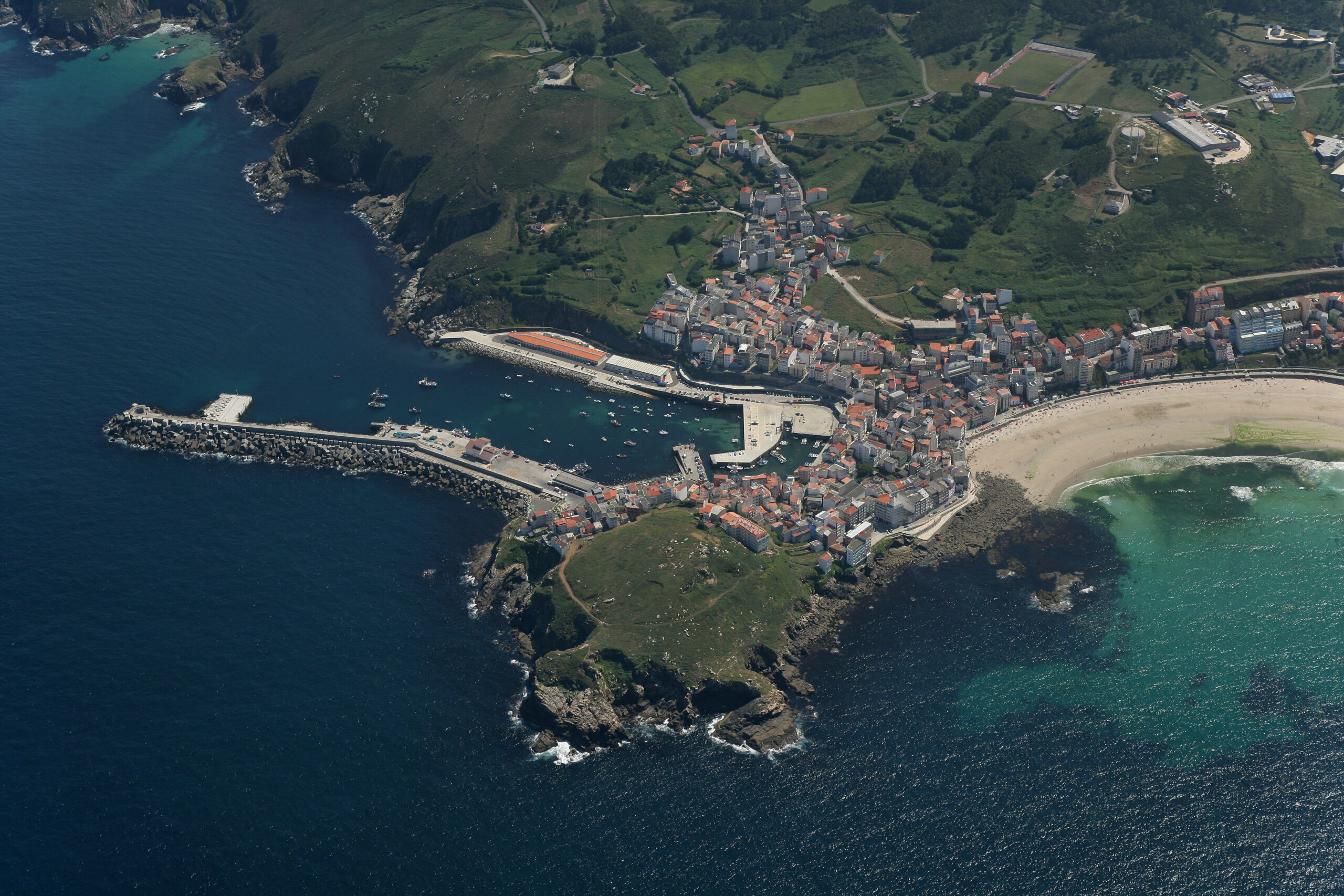
Nature is the main attraction to complement a congress in this area. The region of Fisterra, pure Costa da Morte, is made up of the municipalities of Cee, Corcubión, Dumbría, Fisterra and Muxía. A group visit to Cape Fisterra is unmissable: the end of the world for the Romans and the Camino de Santiago for pilgrims who decide to extend the route from Compostela enjoy one of the most spectacular sunsets in Galicia, from the esplanade of its iconic lighthouse. The same can be said of the monumental lighthouse of Cabo Vilán (Camariñas), already in the region of Terra de Soneira (Camariñas, Vimianzo and Zas). In fact, any point on this coast is perfect for organising walks through natural environments such as the Penedos de Traba (between Laxe and Vimianzo), the sanctuary of A Barca (Muxía), the beach and lagoon of Razo-Baldaio (Carballo), the tiny and beautiful estuary of Lires (Cee) or the mouth of the river Anllóns (Ponteceso). It is also possible to rent a boat to take a group to the Sisargas Islands, a place of special environmental protection in the middle of the fierce Atlantic. Companies such as Cruceros Fisterra offer several experiences in an area where the sea has marked history and character.
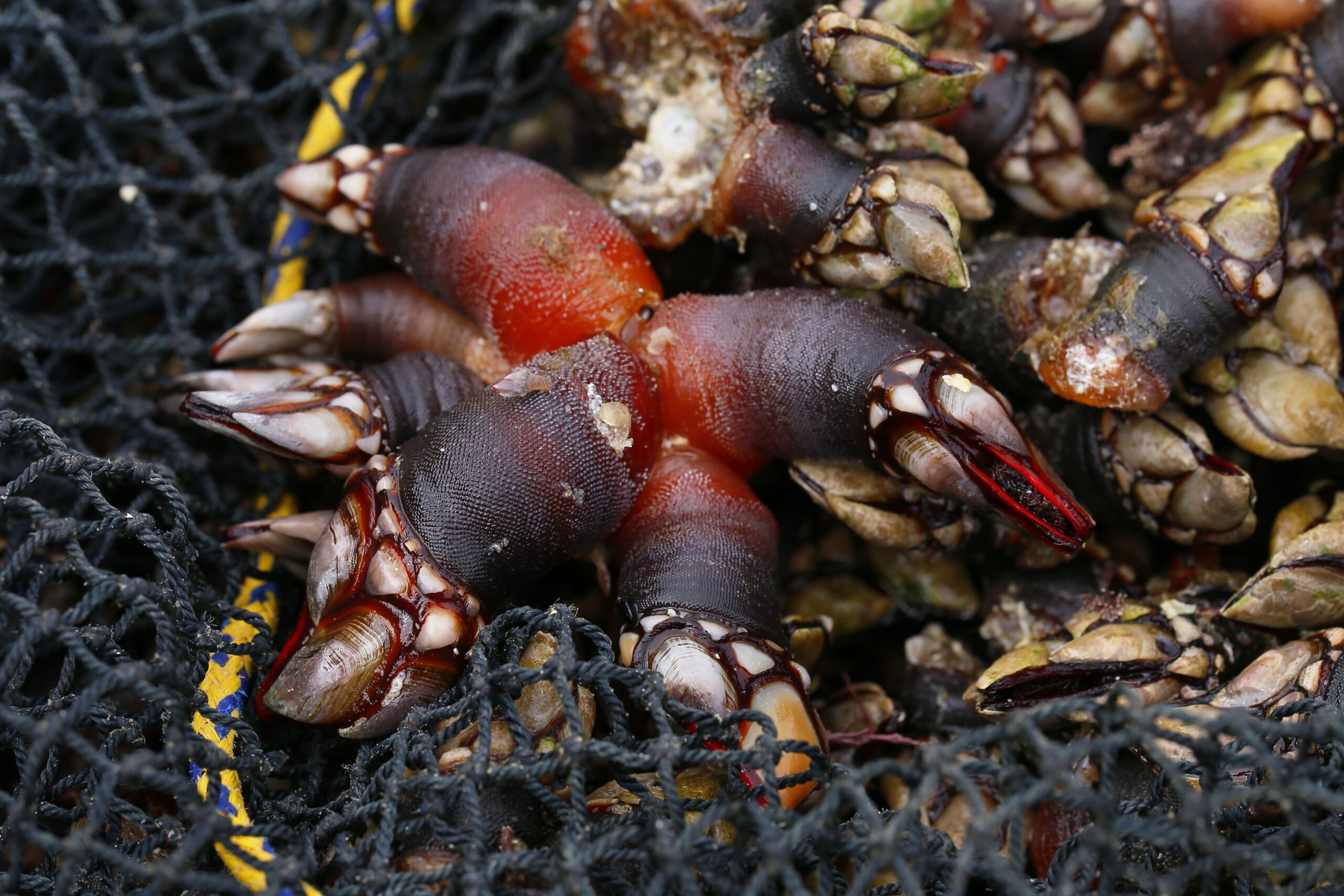
This seafaring vocation permeates the historic centres of Corcubión and Laxe, the best preserved in the area, which deserve a leisurely stroll through their small streets of modest architecture. Of course, a stop at one of the many restaurants in the area that offer tastings of local products is mandatory. Some are on the radar of foodies around the world, such as
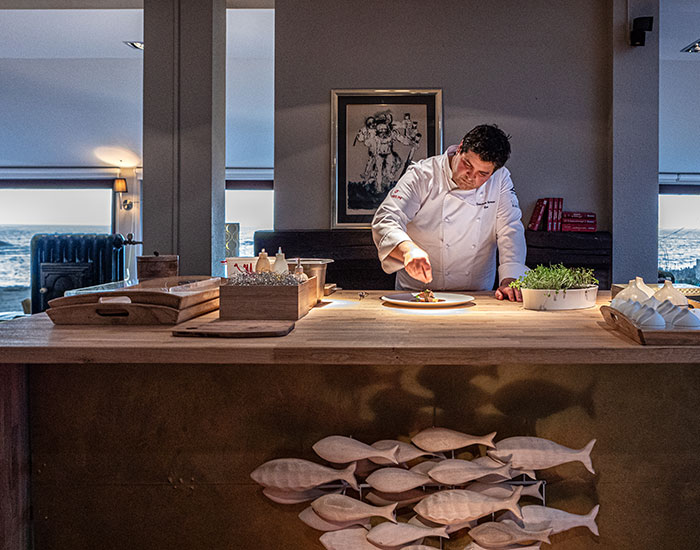
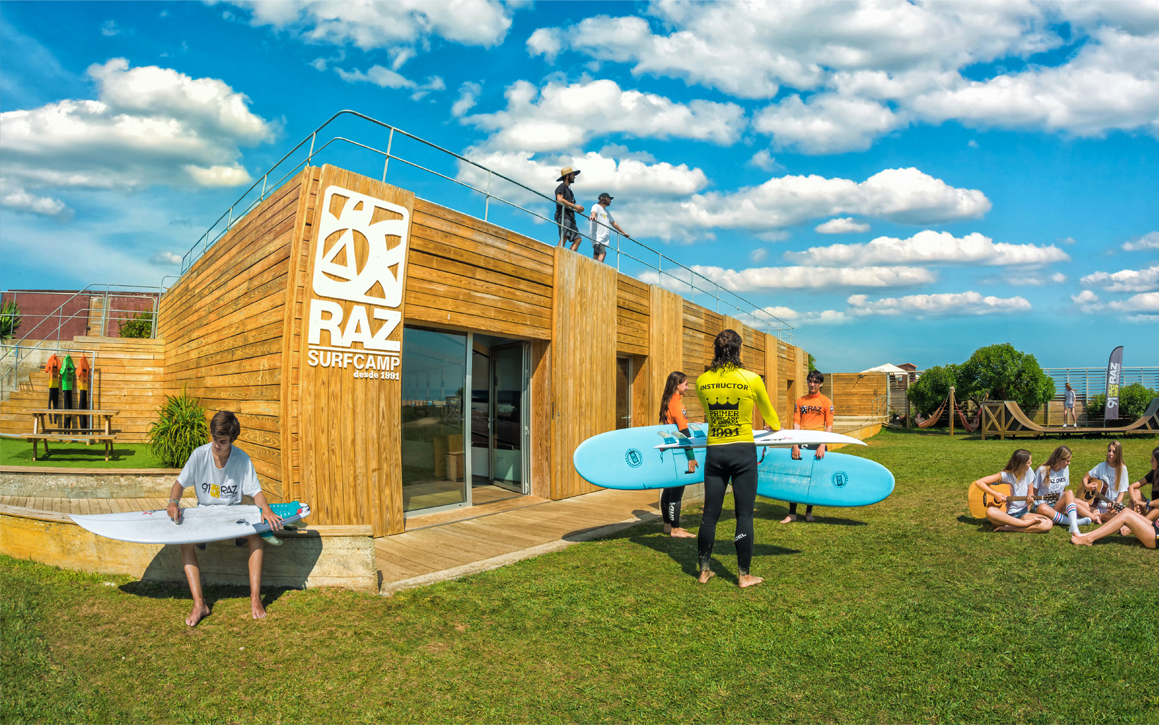
But we must not forget the inner face of this maritime paradise. The region of Bergantiños, formed by the municipalities of Cabana de Bergantiños, Carballo, Coristanco. Laxe, A Laracha, Malpica and Ponteceso explains in a few square kilometres how the maritime and agricultural economies have coexisted for centuries in Galicia. With more than 30,000 inhabitants, Carballo is the economic and cultural capital of the area. In this last aspect, the town has opted for contemporary arts to attract visitors and improve the appearance of the town, decorated with large murals in which graffiti artists pay tribute to the rural past of the region. A route allows you to discover this curious urban renewal. Thanks to the fact that the rugged beach of Razo-Baldaio is located on its coastal strip, Carballo enjoys a good range of leisure and team building activities, such as the surf camps organized by Raz Surf Camp or Art Surf Camp. For those who want to organize a different and dizzying parallel activity, La Base Motor Club organizes, in the same town, experiences in the world of motor in its own circuit. Also the gastronomic offer is excellent in the villa. The Asador Gonzaba offers, for example, a good panoramic view of dishes based on meat and seafood that are produced in this region straddling the interior and the ocean.
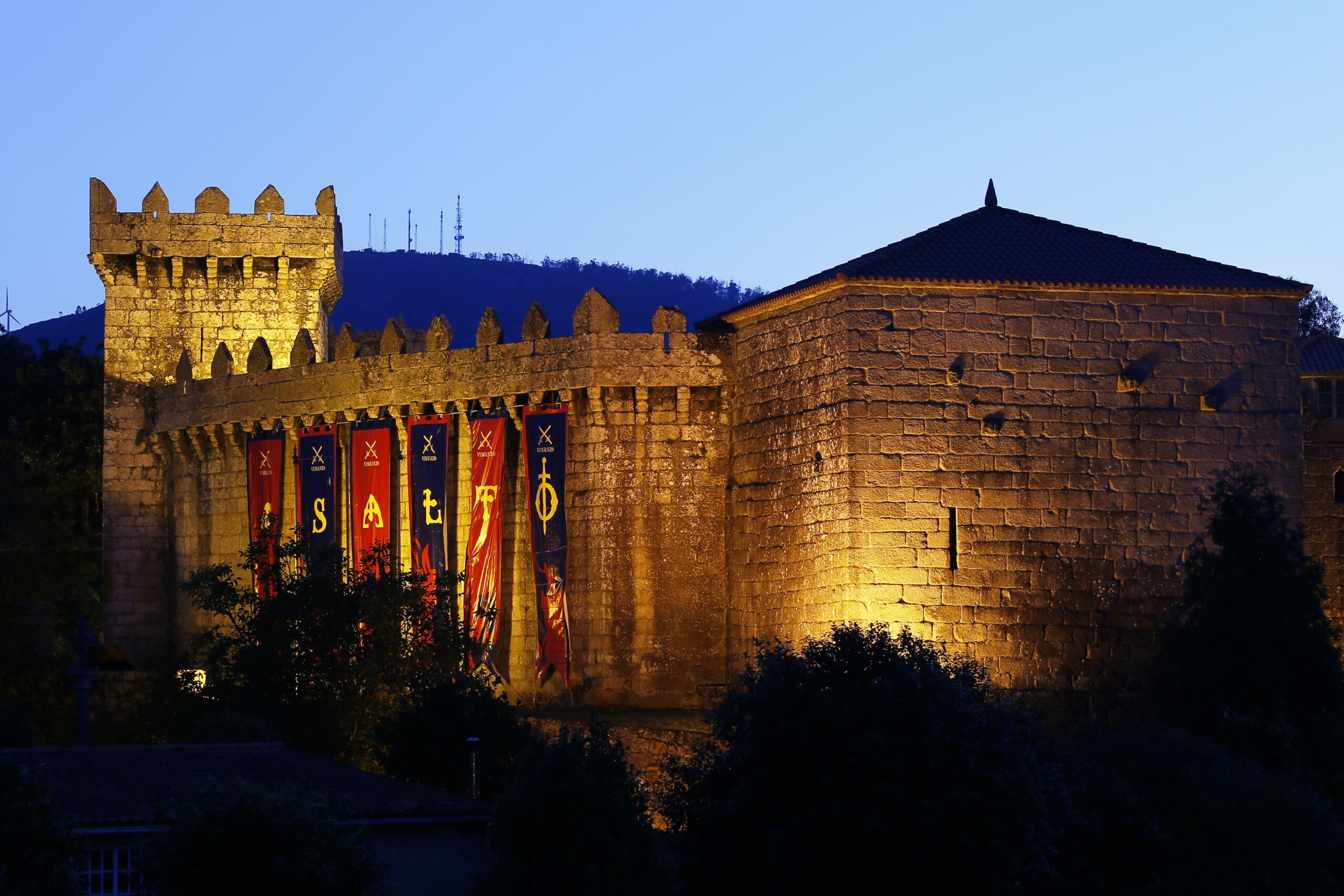
The interior of the Costa da Morte offers other visits that can be done with a guide and that illustrate well the past of the province of A Coruña. Activities of great interest as a complement to an event can be a visit to the dolmen of Dombate (Neolithic burial in Cabana de Bergantiños), the castle of Vimianzo (fourteenth and fifteenth centuries) or the Torres do Allo (one of the first Galician pazos, also from the fifteenth century and with an interesting ethnographic museum inside).
Other regions
Others
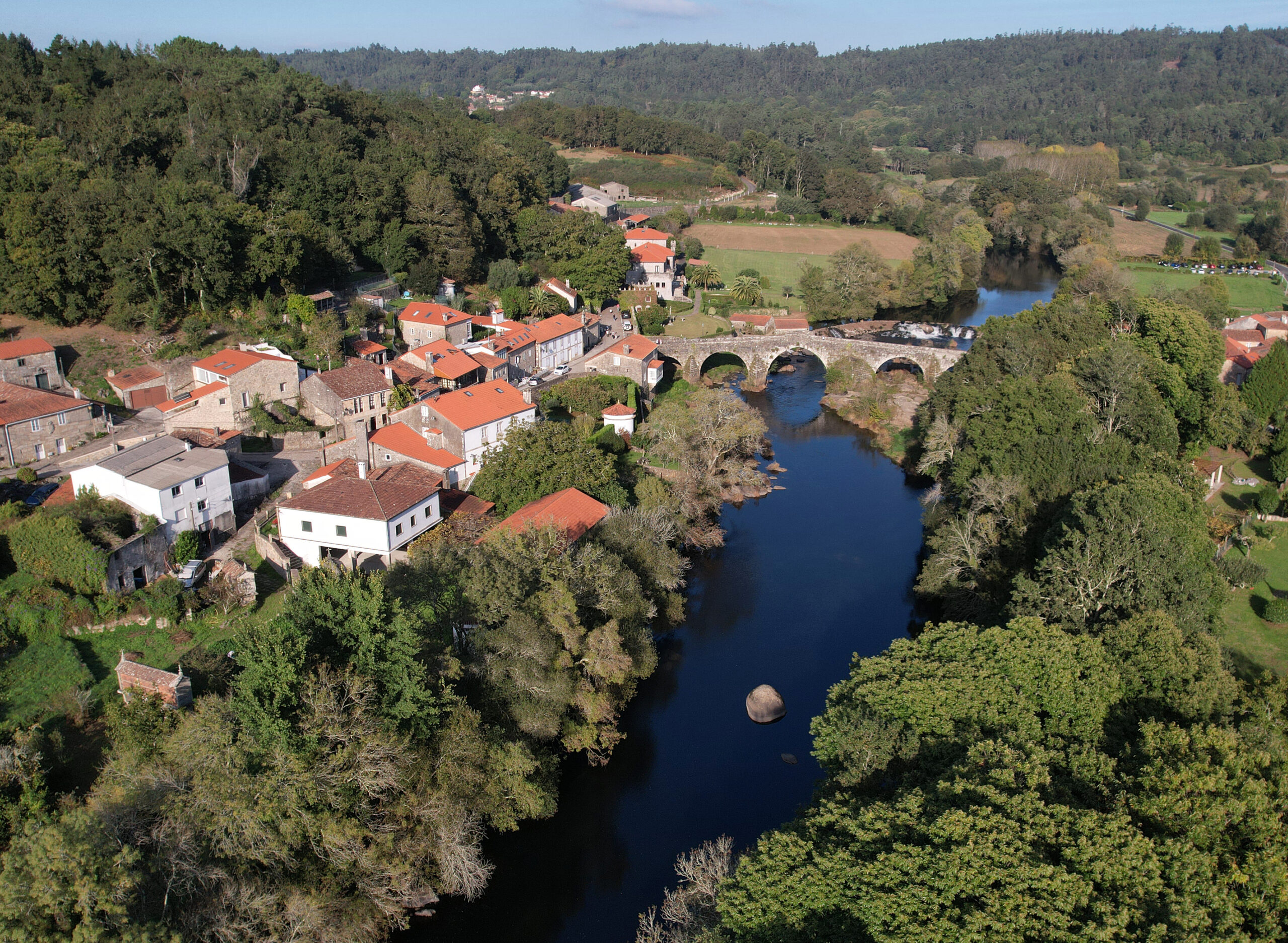
Xallas-Barcala-Ordes
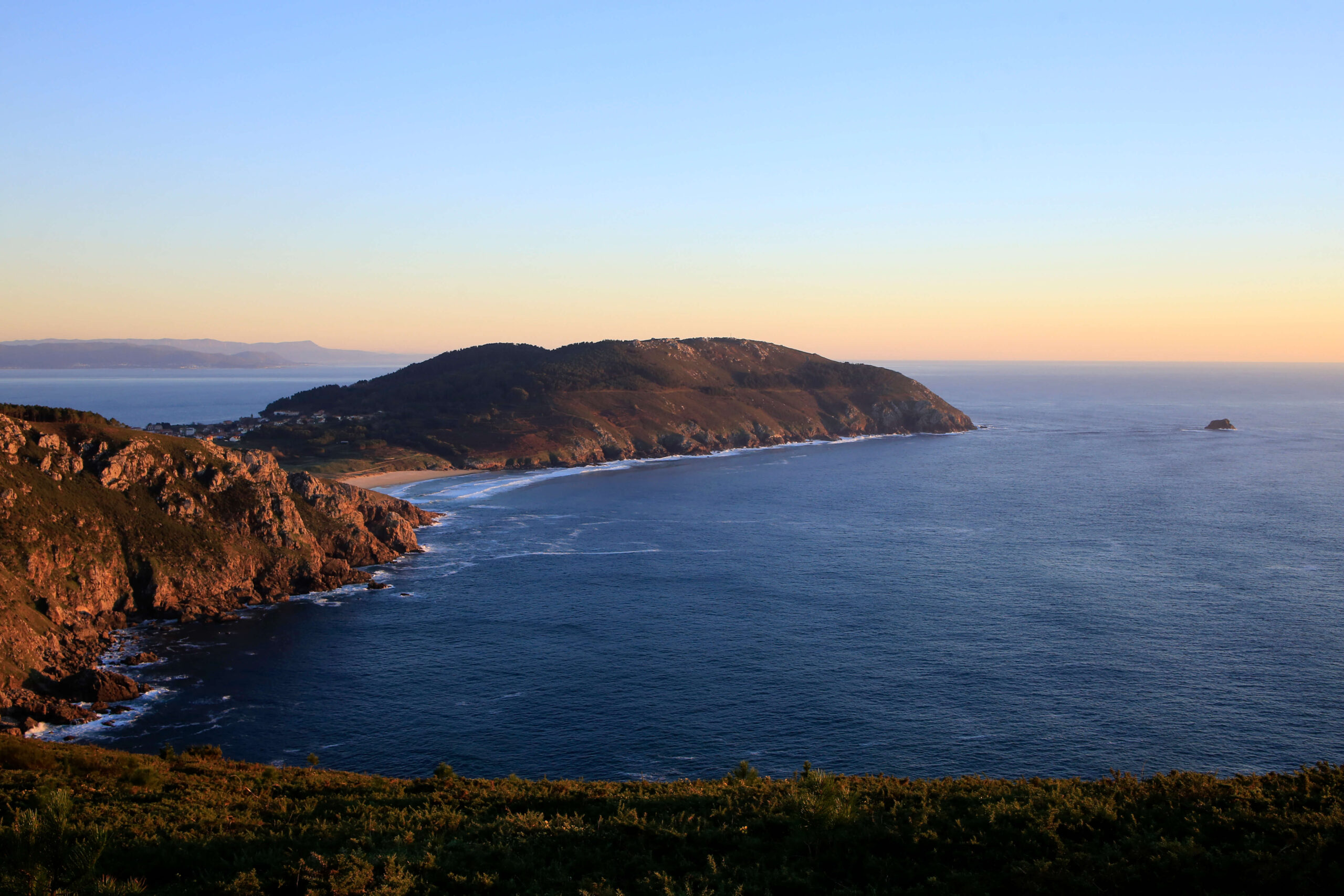
Fisterra-Muxía road in the province of A Coruña
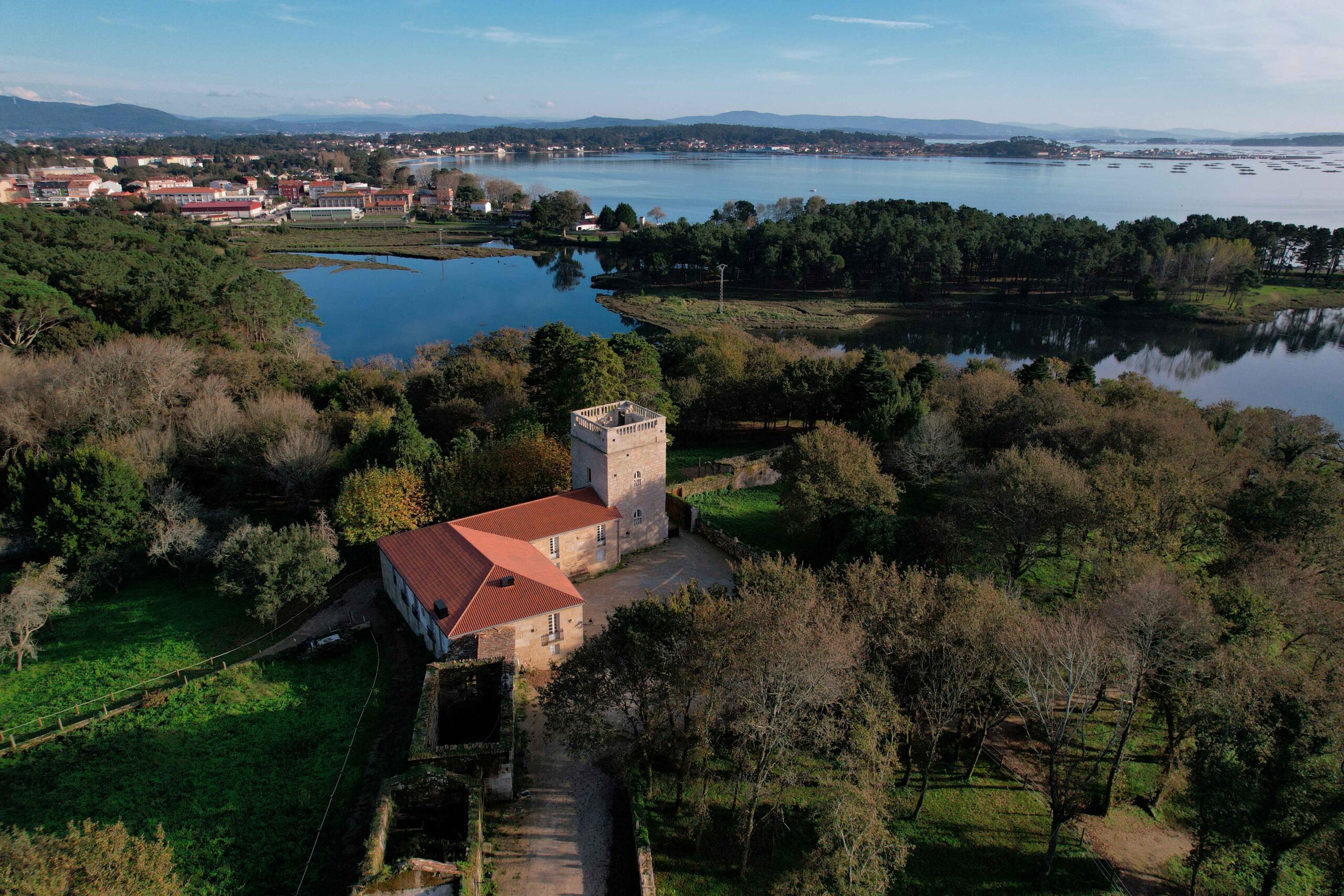
Barbanza Sar


Designed and developed by Serglo, technological solutions applied to events | Privacy policy | Legal notice