
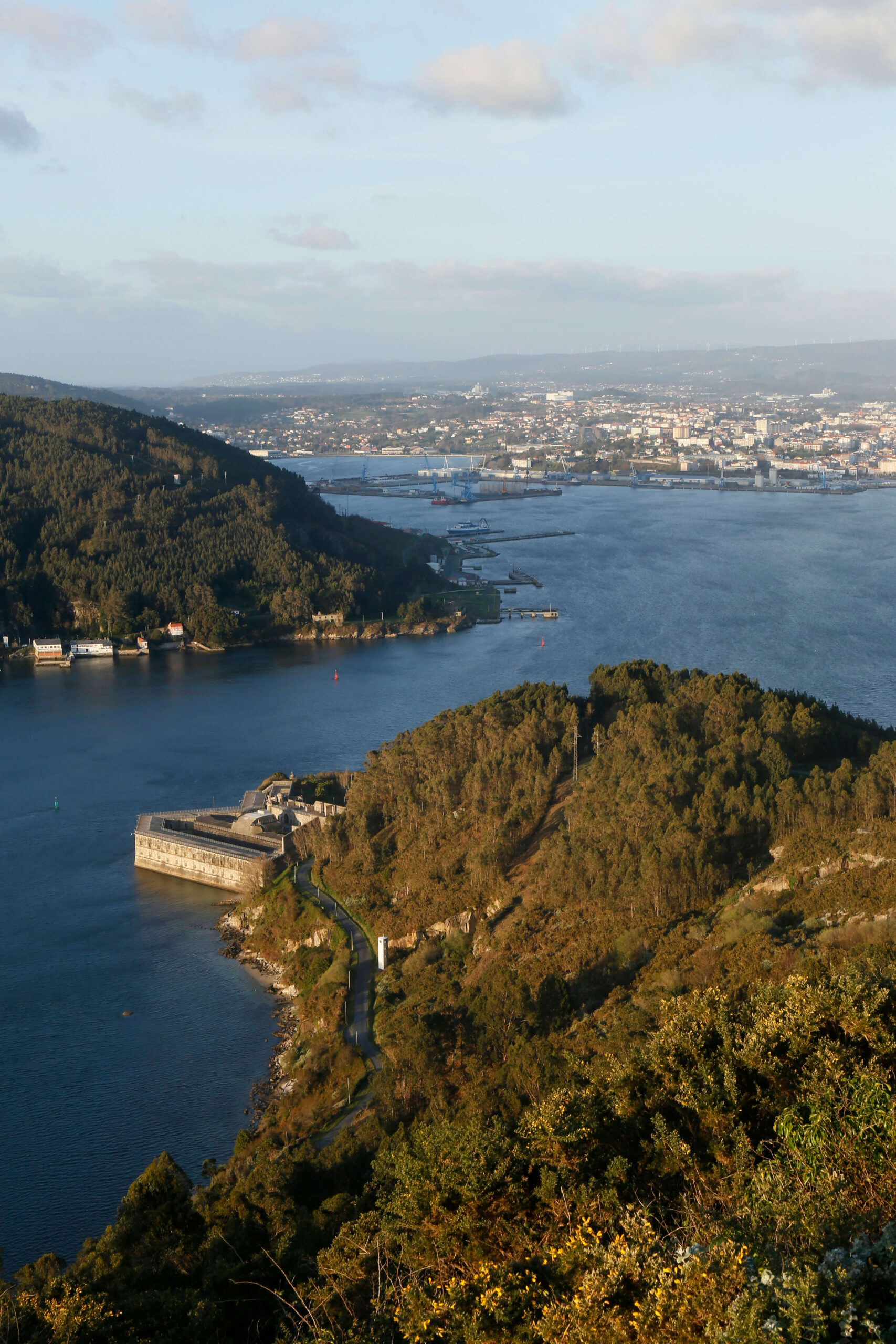
The sea, a great attraction in the regions of Ferrol and Ortegal
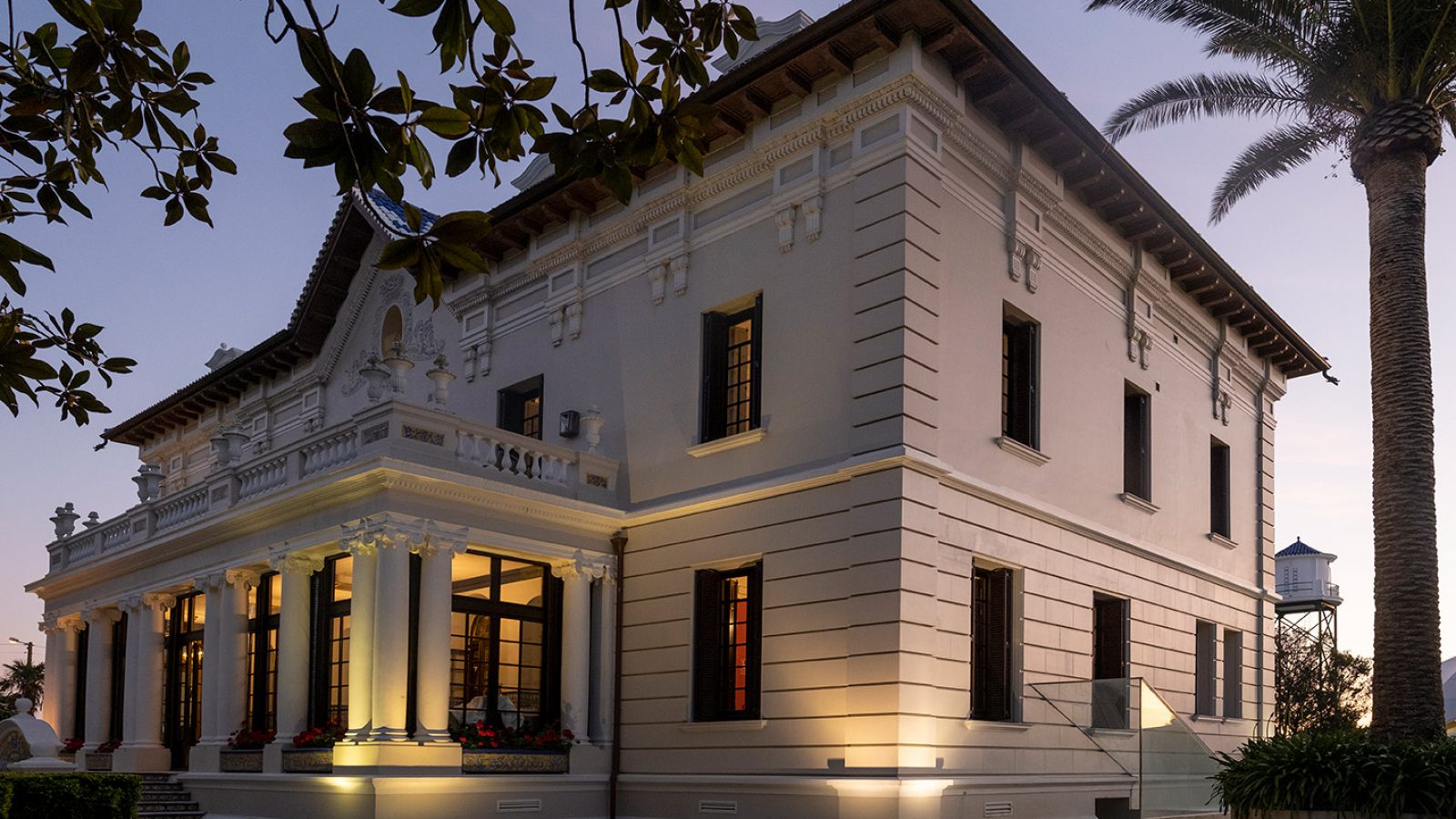
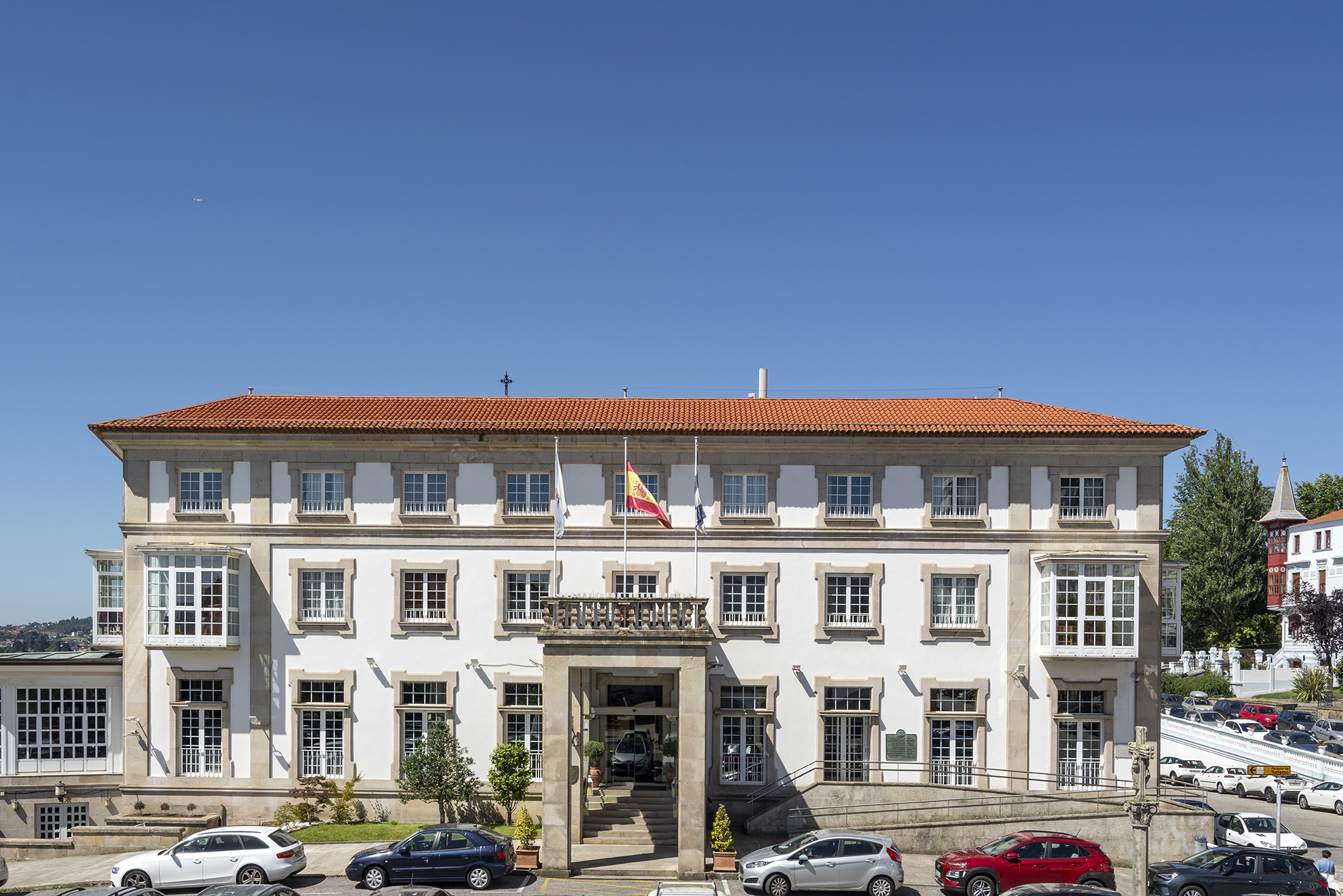
The region of Ferrol is very extensive. It is made up of the city itself and the municipalities of Narón, Ares, Fene, Mugardos, Narón, Neda, Valdoviño, San Sadurniño, Moeche, Somozas and Cedeira. Ferrol is the third largest city in the province by population, with 65,000 inhabitants, more than 150,000 in its area of influence. For this reason, it has infrastructures of various sizes to host events, from large trade fairs to business meetings. The largest space is the Punta Arnela Fairgrounds (FIMO, with 47,000 square meters), managed by the municipality. Events are also regularly hosted by locations such as the Exponav Foundation, the local headquarters of Afundación, the Torrente Ballester Cultural Centre, the Centre for Innovation and Services of Technology and Design (CIS Galicia), and establishments such as the Gran Hotel, the Almirante or the Pazo do Monte.
Narón, which borders the departmental city, has grown significantly in recent decades and already has almost 40,000 inhabitants. Consequently, it also has a good infrastructure for events, such as the
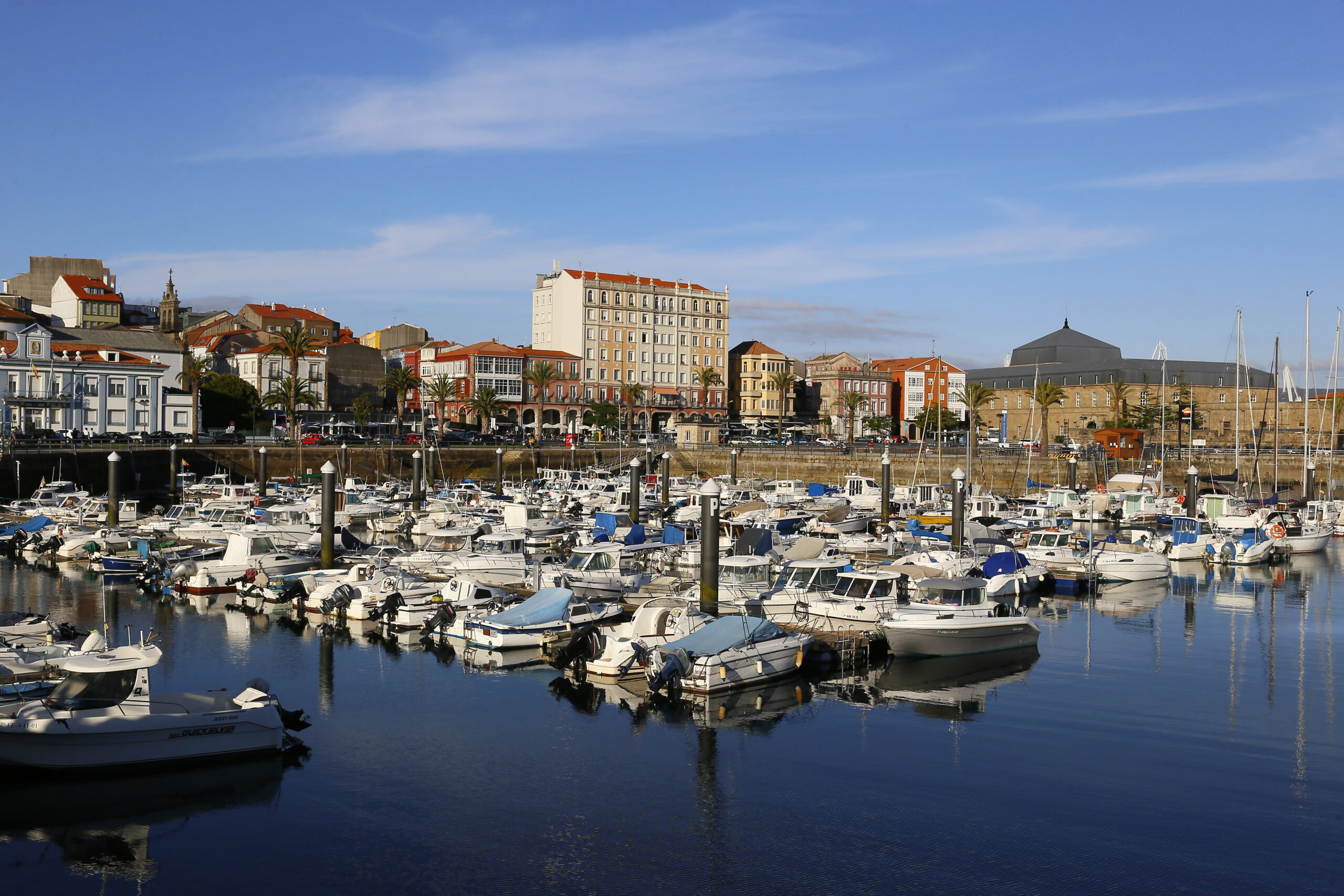
Ferrol is a city of contrasts, given that its main economic engines have been, in recent centuries, shipbuilding, on the one hand, and the base of the Navy. The port of Ferrol Vello and the Arsenal (a prodigy of eighteenth-century technique, an essential visit with reservation) are the starting point of a city designed in the eighteenth century to serve military ships. The neighbourhood of A Magdalena is known by the locals as “the chocolate bar”, due to its perfectly rectilinear streets, adorned by romantic squares such as Armas (headquarters of the City Council) and Amboage and examples of modernist and bourgeois architecture uncommon in the rest of Galicia. Recommended visits are the Jofre Theatre or the food market.
The other Ferrol, the industrial one, is well worth an excursion with which you can complement a congress or a meeting. The Exponav Foundation offers visits for groups to learn about the city’s industrial heritage. The entity’s own museum is of great interest, as it shows how the complex ships of the line that dominated the seas in the eighteenth and nineteenth centuries were manufactured. And then there is the popular and working-class Ferrol, the one in the neighbourhoods outside the historic centre. The one in Canido has a very curious attraction: for years, the neighbors have cleaned up its streets, at some point deteriorated, painting dozens of versions of Las Meninas by Velázquez. The company Ferrolguías offers guided tours of this and other locations in the city. Experiences based on other sports are also possible in the area, from a route through the mountains and viewpoints with the Ferrol Mountain Club or a bicycle route from the Valle de Esolle Mountain Bike Centre.
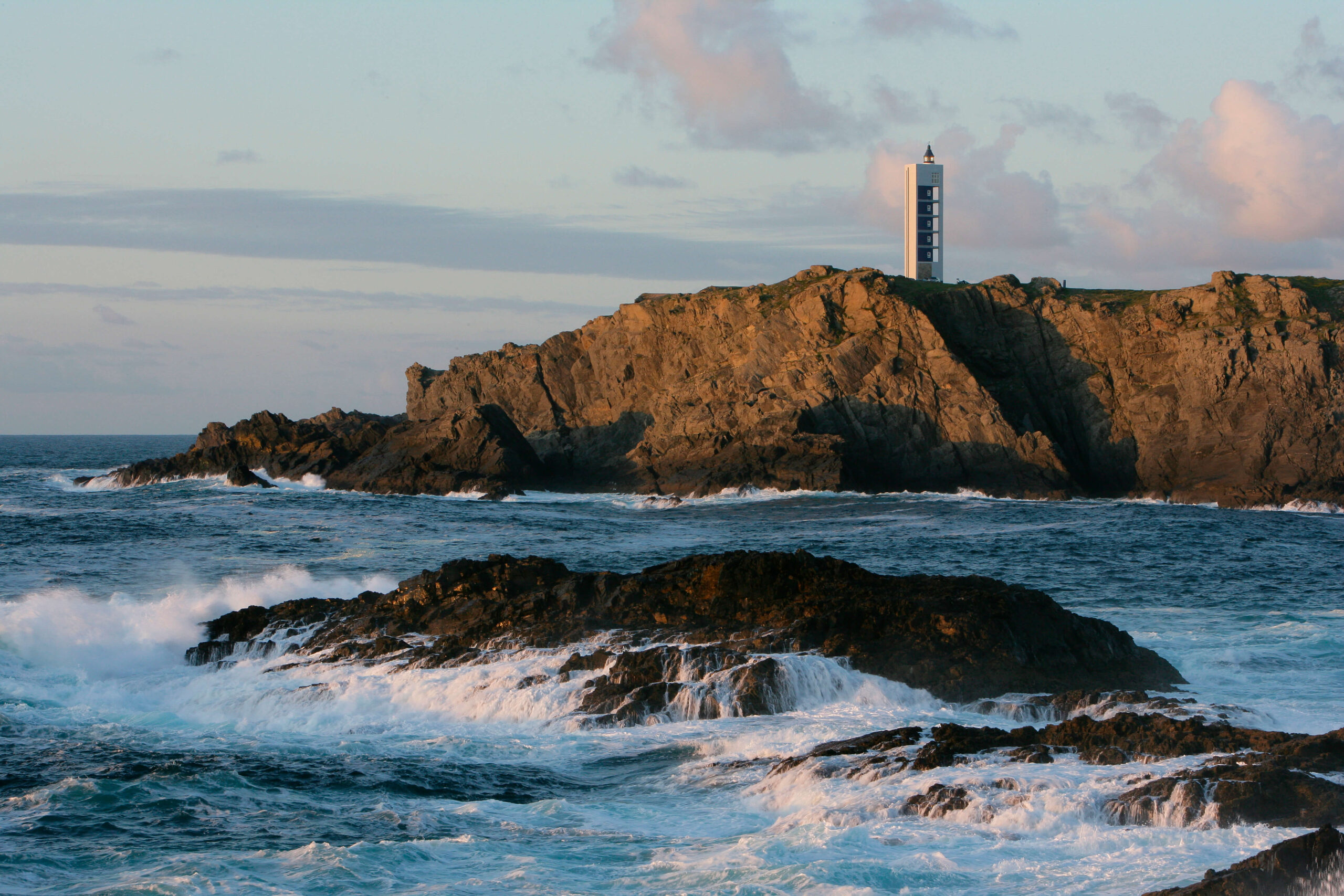
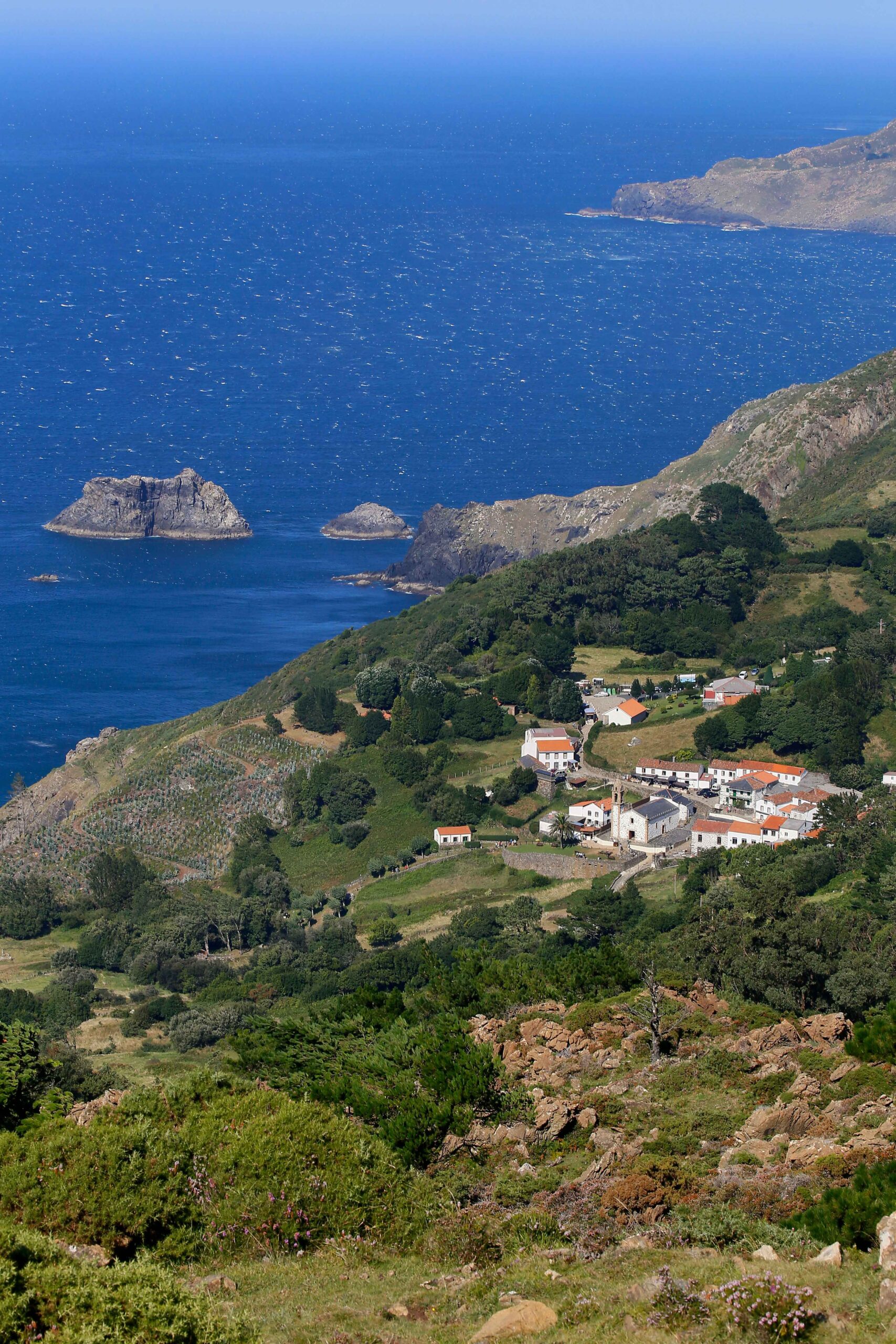
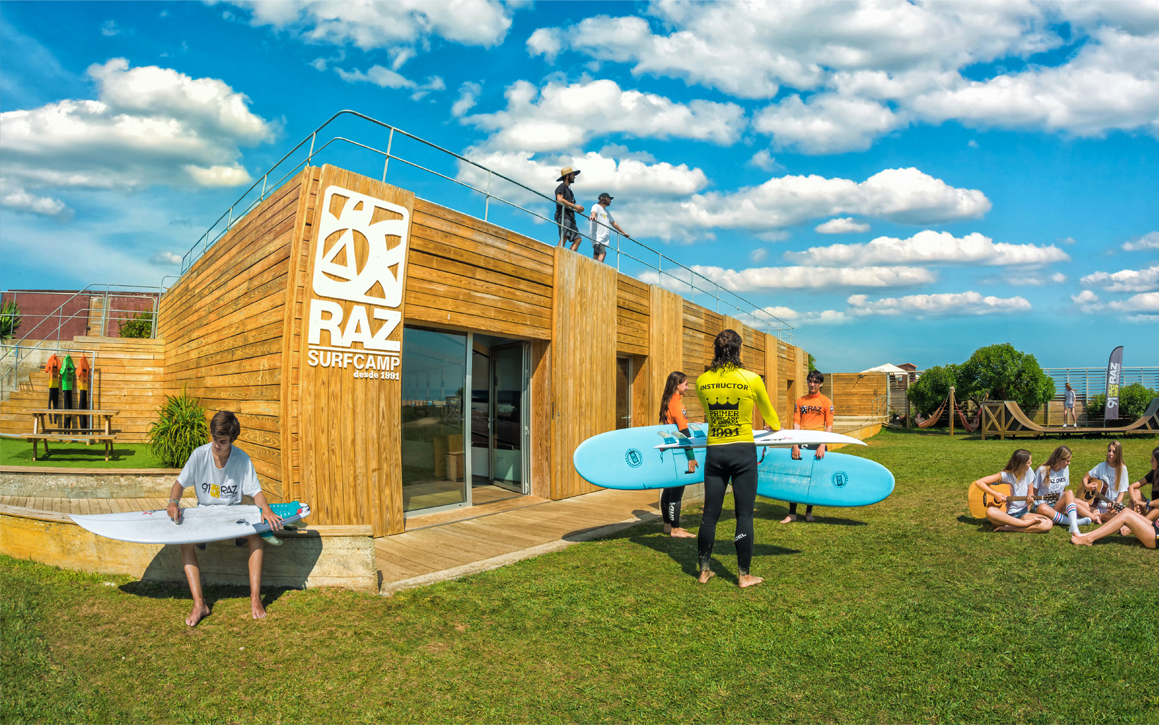
Beyond the almost continuous urban nucleus formed by Ferrol, Ares, Fene, Mugardos, Narón and Neda are the coastal municipalities of the north. Nature and beaches are the focus of the attraction of these lands. With its large whitewater beaches, Valdoviño is the oldest surfing land in Galicia: numerous companies, such as RSM, Asolas, Doniños, Friends&Family or Nordés offer experiences to get started in this trendy sport. Cedeira is another very interesting visit, with its small old town and lively boardwalk, and the sanctuary of Santo André de Teixido, where, according to tradition, those who have not been there in life will travel once they are dead, reincarnated as an animal. Between Cedeira and Cariño is the viewpoint of the Garita de Herbeira, with an overwhelming cliff that descends more than 700 meters above the Atlantic.
Ortegal, the far north of Galicia
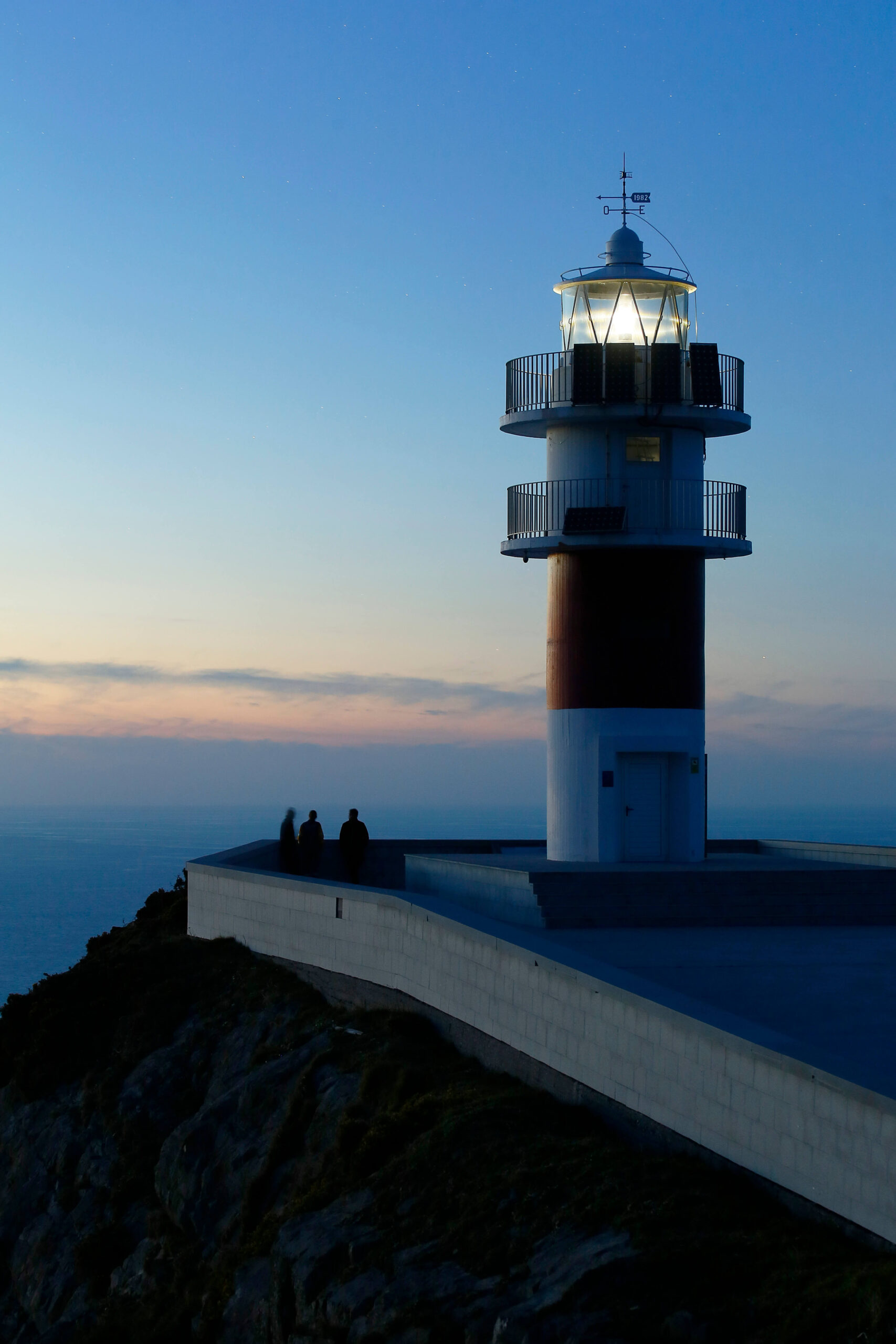
For its part, the municipalities of Cariño, Cerdido, Mañón and Ortigueira are part of the Ortegal region. In this area are the two capes that set the northern limit of the province of A Coruña and Galicia: Ortegal and Estaca de Bares. Ortigueira is the main town in the area and is known both for its Celtic music festival, with more than 40 editions behind it, and for hosting what happens to be the bank with the most beautiful views in the world, in the parish of Loiba.
In a place so marked by the sea, fish and seafood are the main gastronomic attraction of these two regions. Eating local produce is an experience that should not be missed by any attendee of a congress or event held in the area. The options are many. Cedeira offers a very particular gastronomy: it is essential to try the barnacles and the marraxo, a small marinated and grilled shark. The barnacle from Cape Ortegal, in Cariño, is also highly appreciated, as well as the cockles and clams that are produced in the estuaries of the Ortigueira and Mañón area. To the south of Ferrol, the octopus á mugardesa, cooked with peppers, makes Mugardos a rarity when it comes to preparing this product, so typical of Galician cuisine. O Couto, in Narón, rivals Padrón in the production of aromatic and tasty peppers. To end a good meal, the after-dinner options are endless: the bola larpeira (cake with pastry cream), the Ferrol tarta castiñeira (puff pastry, chestnut and clam), the eses de Cedeira (biscuits in the shape of a letter)…
Other regions
Others
Sunset on the Costa da Morte: regions of Fisterra, Bergantiños and Terra de Soneira
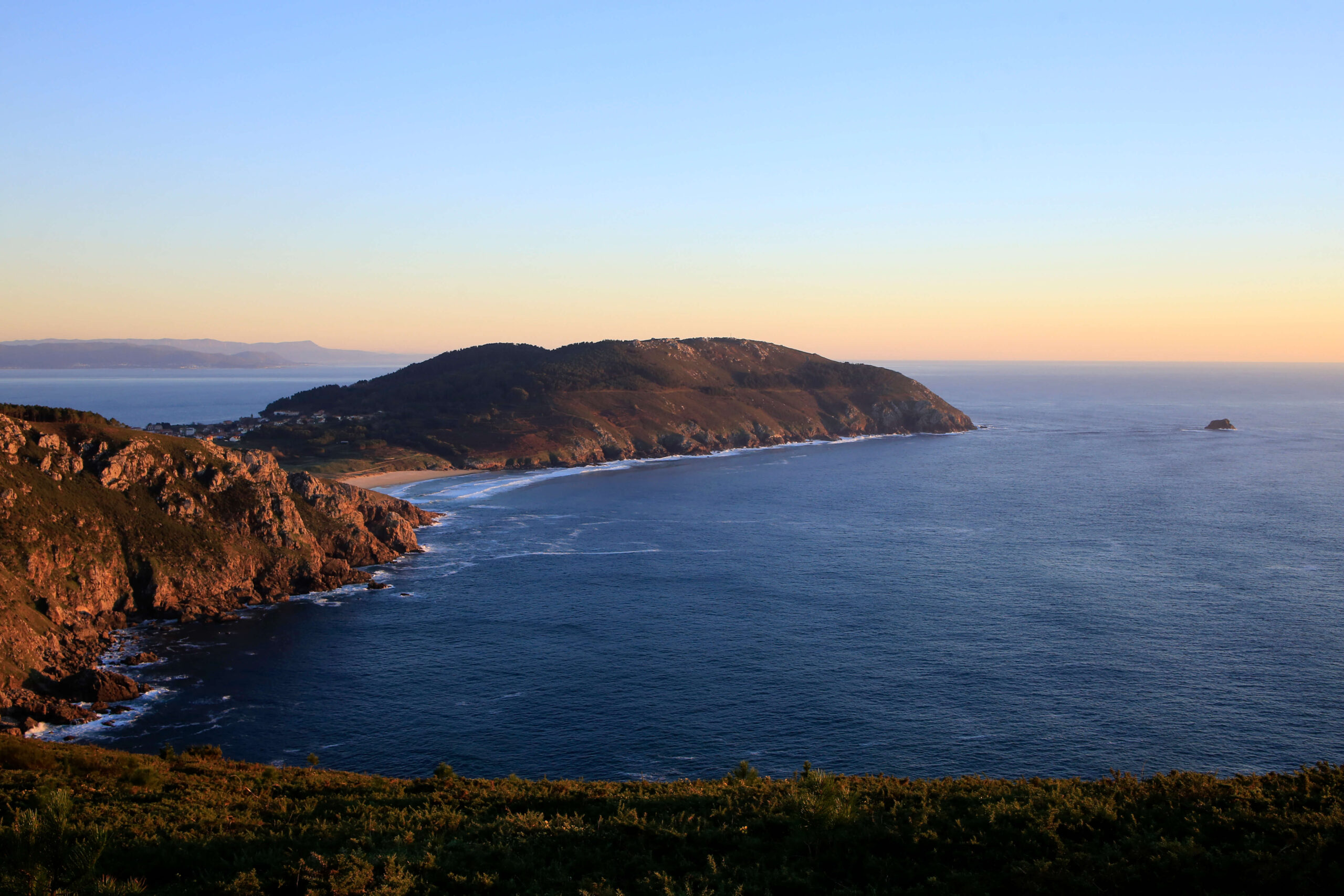
Fisterra-Muxía road in the province of A Coruña
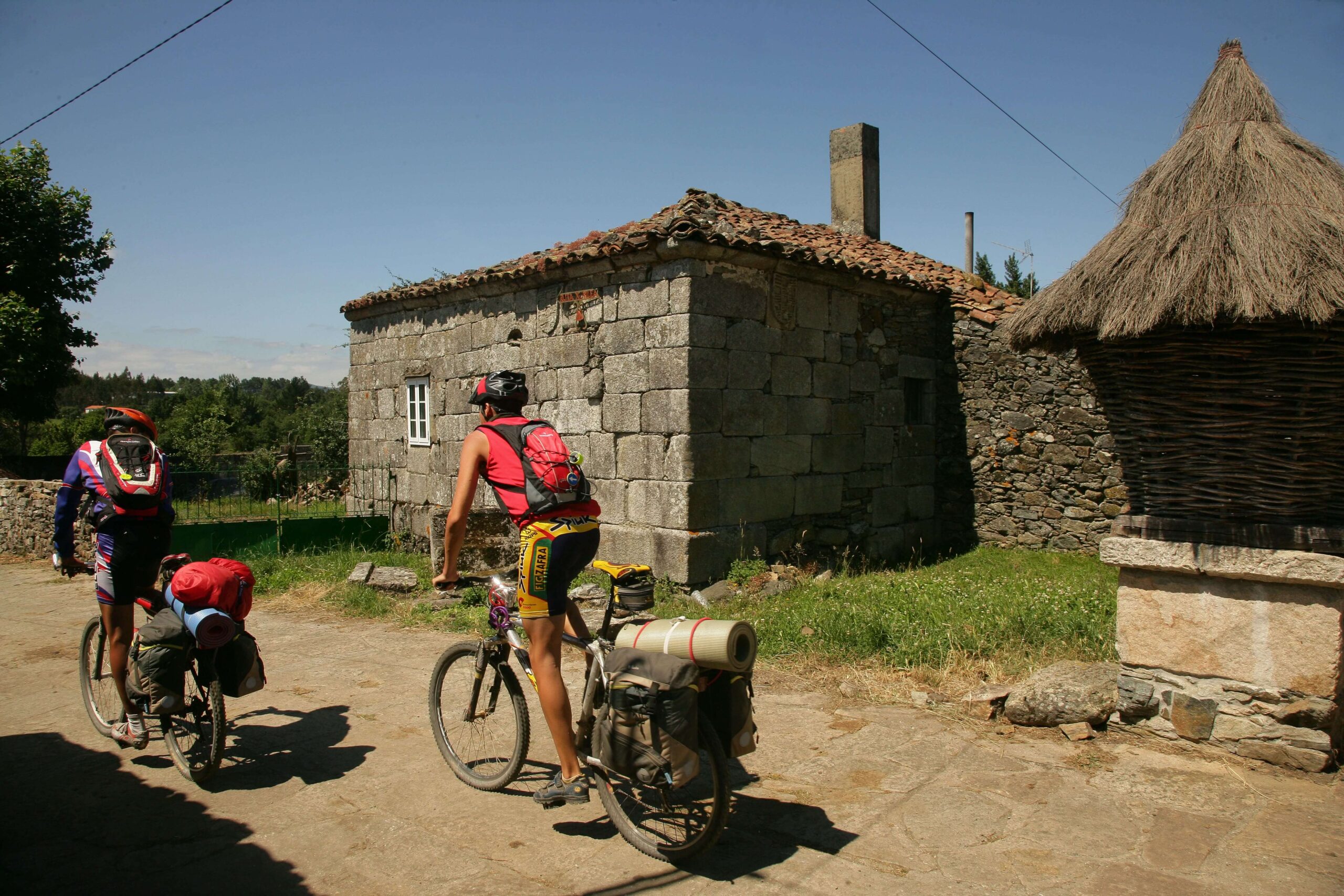
French way in the province of A Coruña

Designed and developed by Serglo, technological solutions applied to events | Privacy policy | Legal notice