
Xallas-Barcala-Ordes
A Coruña is much more than vibrant cities and beaches open to the Atlantic. The interior of the province hides small towns full of life and history, centres of activity around which gravitates a territory full of options for the organization of small events and unforgettable incentive trips. This is the case of the regions of Xallas, Barcala and Ordes, marked by the presence of mighty rivers and in which the traditional agrarian economy has been giving way to sectors linked to services and tourism.
Ordes
The municipalities of Cerceda, Frades, Mesía, Ordes, Oroso, Tordoia and Trazo make up the region of Ordes. Ordes is the largest town in this area, located in the heart of the province. With about 15,000 inhabitants, it is very well connected to the rest of Galicia through the AP-9 motorway and the train line that connects A Coruña with Vigo, the most used in the community. As the head of the region, it has small hotels capable of hosting small meetings such as the Hotel Barreiro or the Hotel Alda, both linked to the great tourist resource that crosses the region, the English Way to Compostela, as well as a large multipurpose room belonging to the town hall.
Ordes also has an undeniable gastronomic attraction linked to the most Galician tradition. It is still very common today to see in its streets (and even next to the roads that cross it) sellers of its star product, the turnip green, the tender leaf of the turnip, whose acidic flavor makes the Galician broth unmistakable. Ordes is also known for local sweets such as queique (light sponge cake whose curious name derives from the English word cake) and parakeets, small portions of fried dough that are made during Carnival. The town hosts the now traditional mushroom festival every spring, one more link with an agricultural sector that is still very thriving here. Restaurants such as Santa Cruz (in Santa Cruz de Montaos, a few kilometres from the regional capital) or Pulpería Verde Galicia show the world how the local production of meat, fish and vegetables is prepared here.
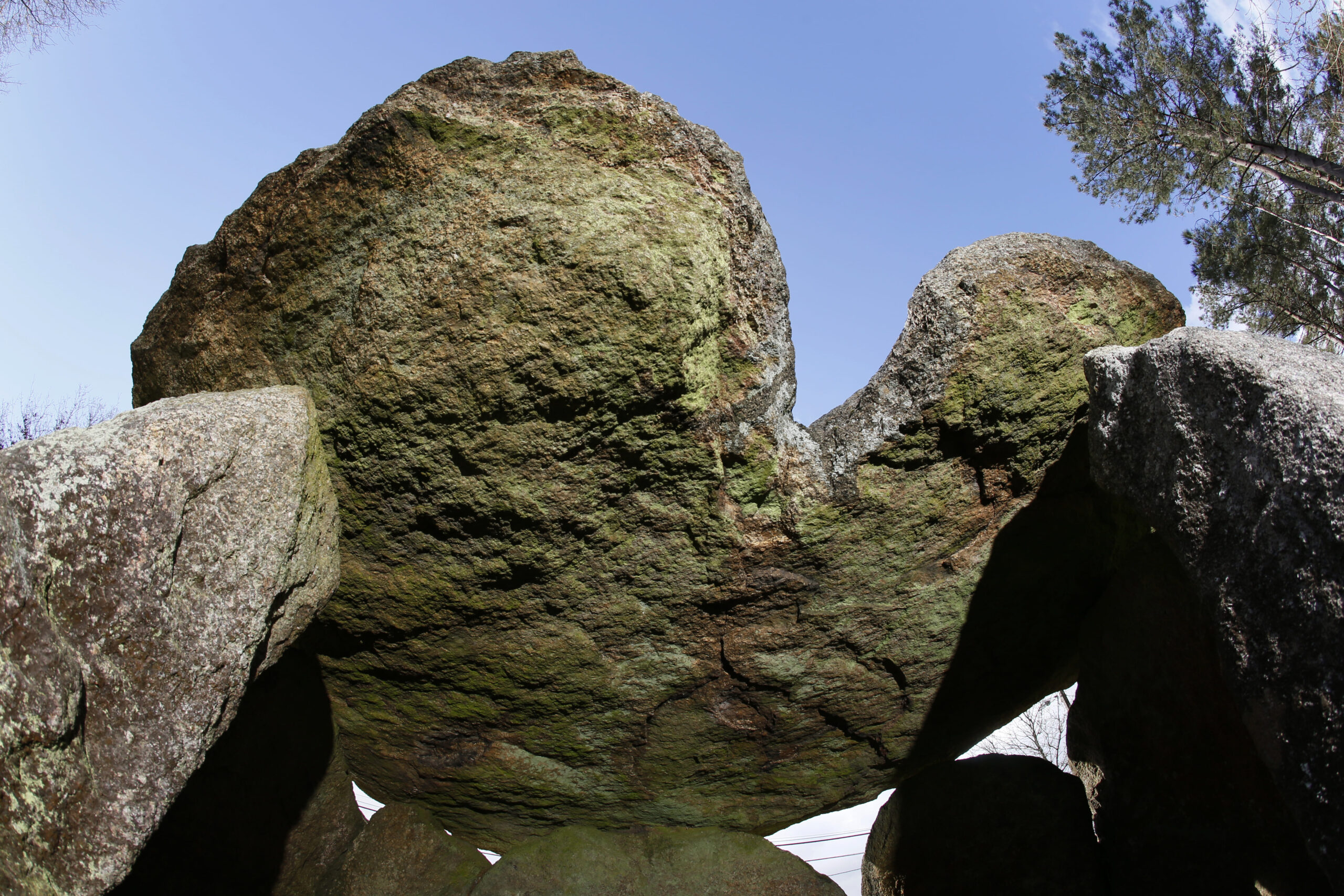
The parallel activities that can be carried out from the town are interesting. Ordes is a region marked by the presence of rivers subsidiary to the Tambre; reservoirs such as those of Vilagudín and Vilasenín take advantage of its waters, also for water leisure activities. A visit to the dolmen of Cabaleiros (Tordoia) is also a must for those who want to know the heritage of this area.
A Barcala
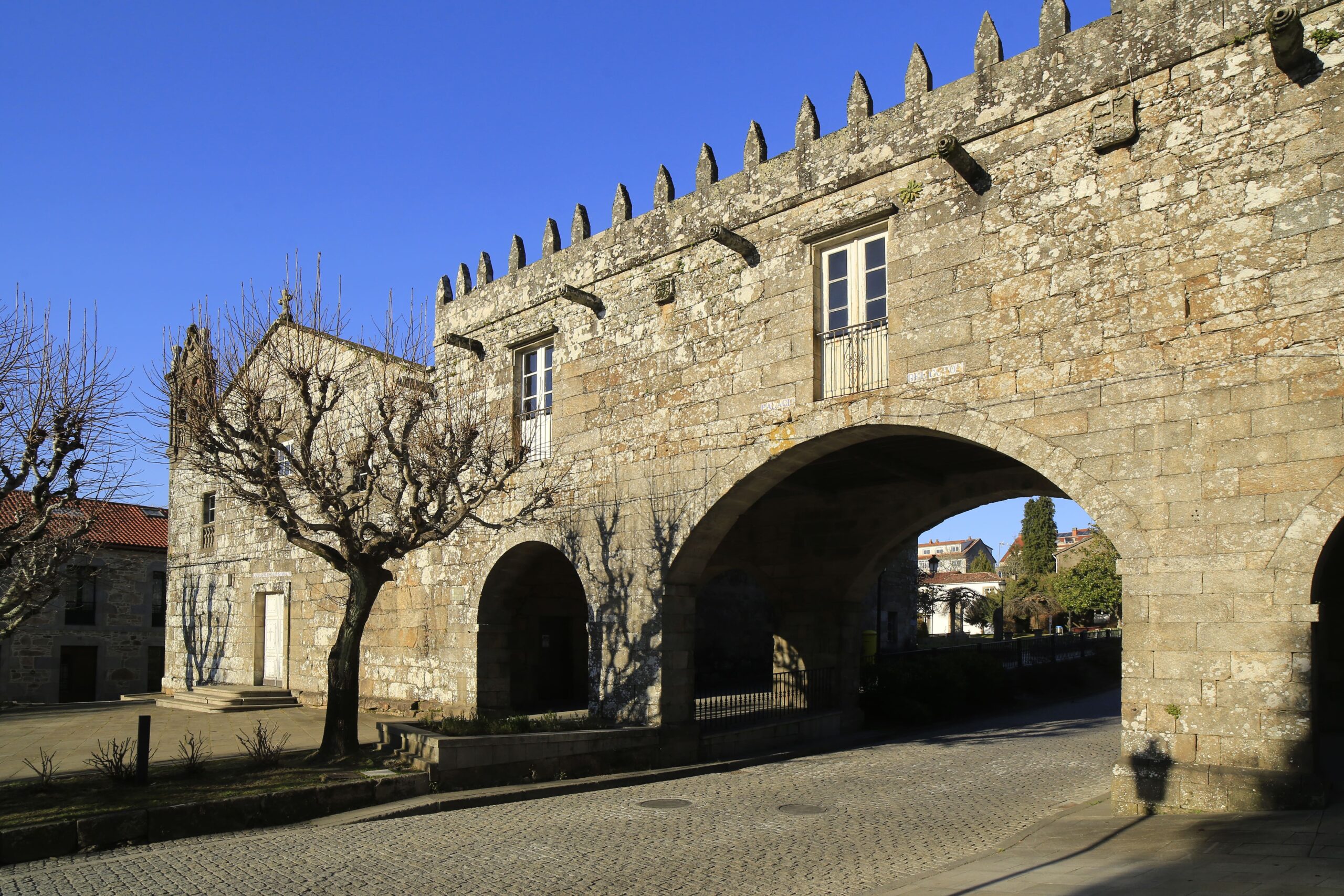
To the southwest, in the middle of the Tambre basin and in the vicinity of Santiago, is the region of A Barcala. Its natural capital is Negreira, with 7,000 inhabitants, a town that is among the most important for the Galician agricultural and livestock sector. Its historical strength as a capital is attested by several noble buildings in its urban centre, especially the Pazo do Cotón, of medieval origin and with eighteenth-century traces. The agricultural and livestock tradition gives the area a gastronomic uniqueness known throughout Galicia, with products that can only be found here. This is the case of the filloas da pedra that are made in A Baña, a small town located at the foot of Negreira. The usual amoado (liquid dough of milk, flour and eggs) is cooked here on large granite sheets (hence the name) heated over the fire, which achieves a unique texture and a very fine thickness. Stones are a very precious commodity: some are decades old and are inherited within the family; Before preparing the filloas they are heated and smeared with bacon to close their pores and achieve a very special result.
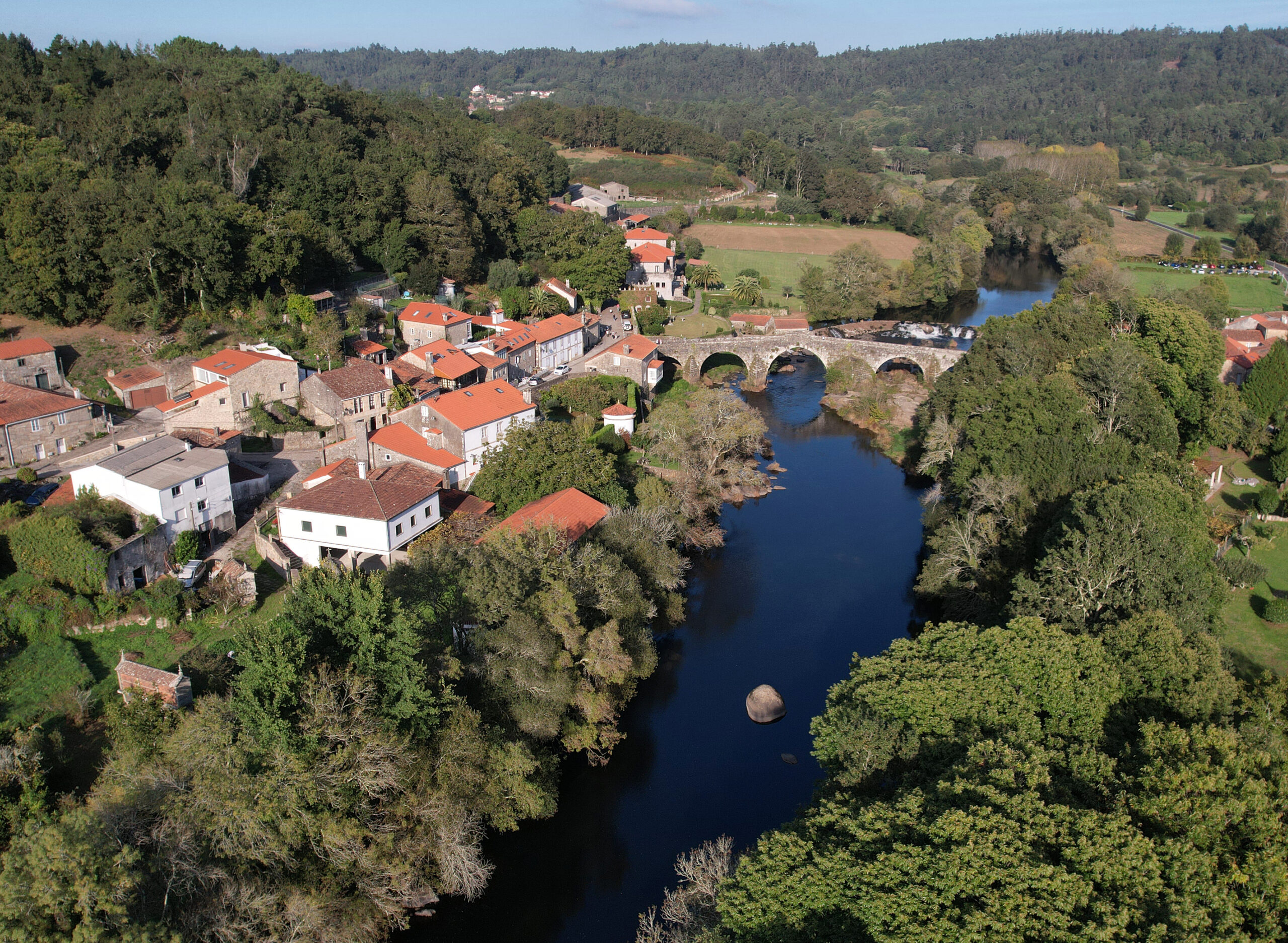
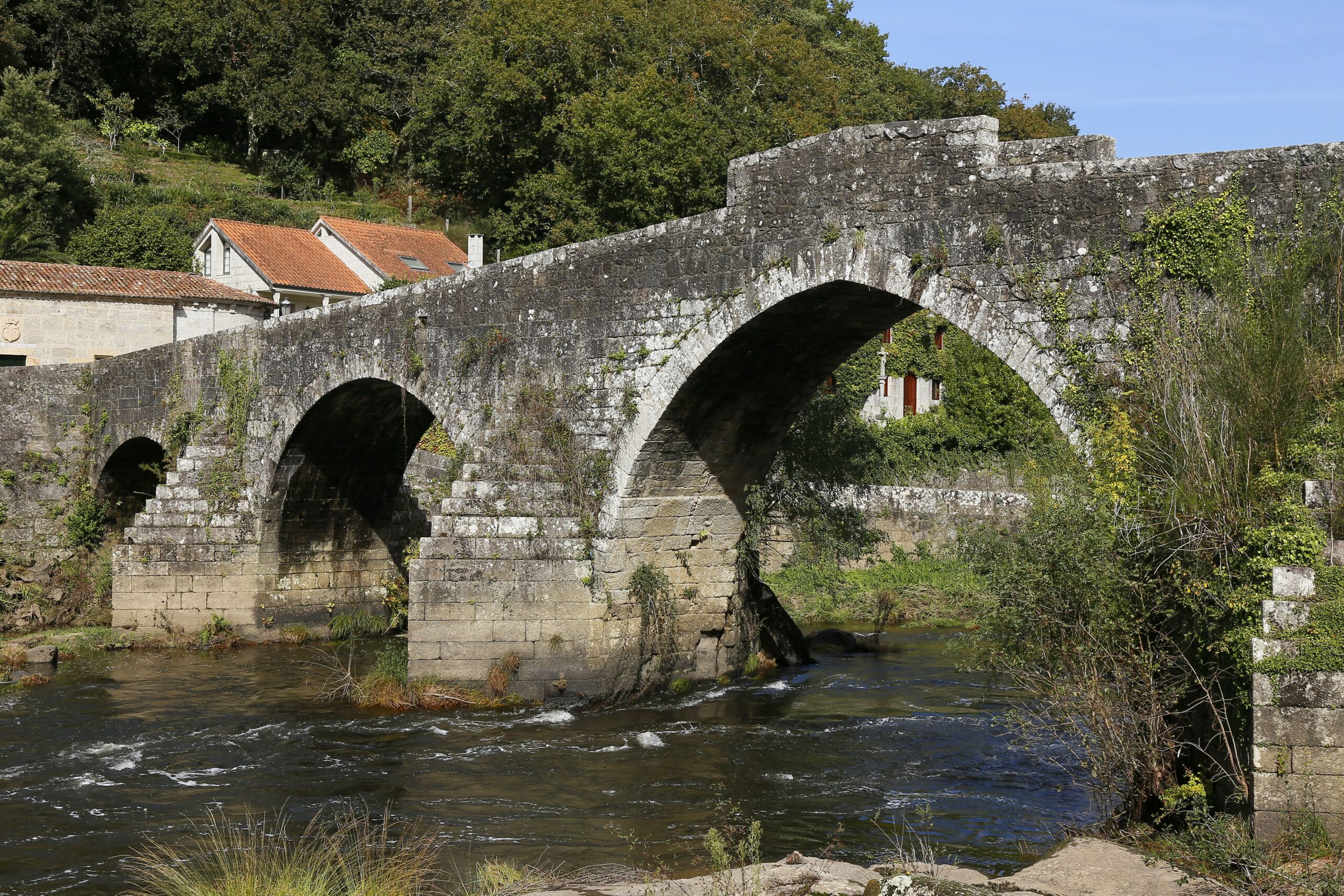
The Tambre begins its descent towards the Atlantic in this region, in many sections between high granite walls. This favours the presence of unique corners such as the well-known medieval bridge of Ponte Maceira, probably heir to an earlier Roman construction and an obligatory passage for pilgrims walking from Santiago to Fisterra or Muxía to finish the Camino. The nature of A Barcala can also be enjoyed in places such as the semi-urban promenade of the river that gives its name to the region, in Negreira itself, and can be seen from the top of the Monte do Cotro viewpoint, in the same town hall. Negreira has a municipal multipurpose room capable of hosting small meetings.
Xallas
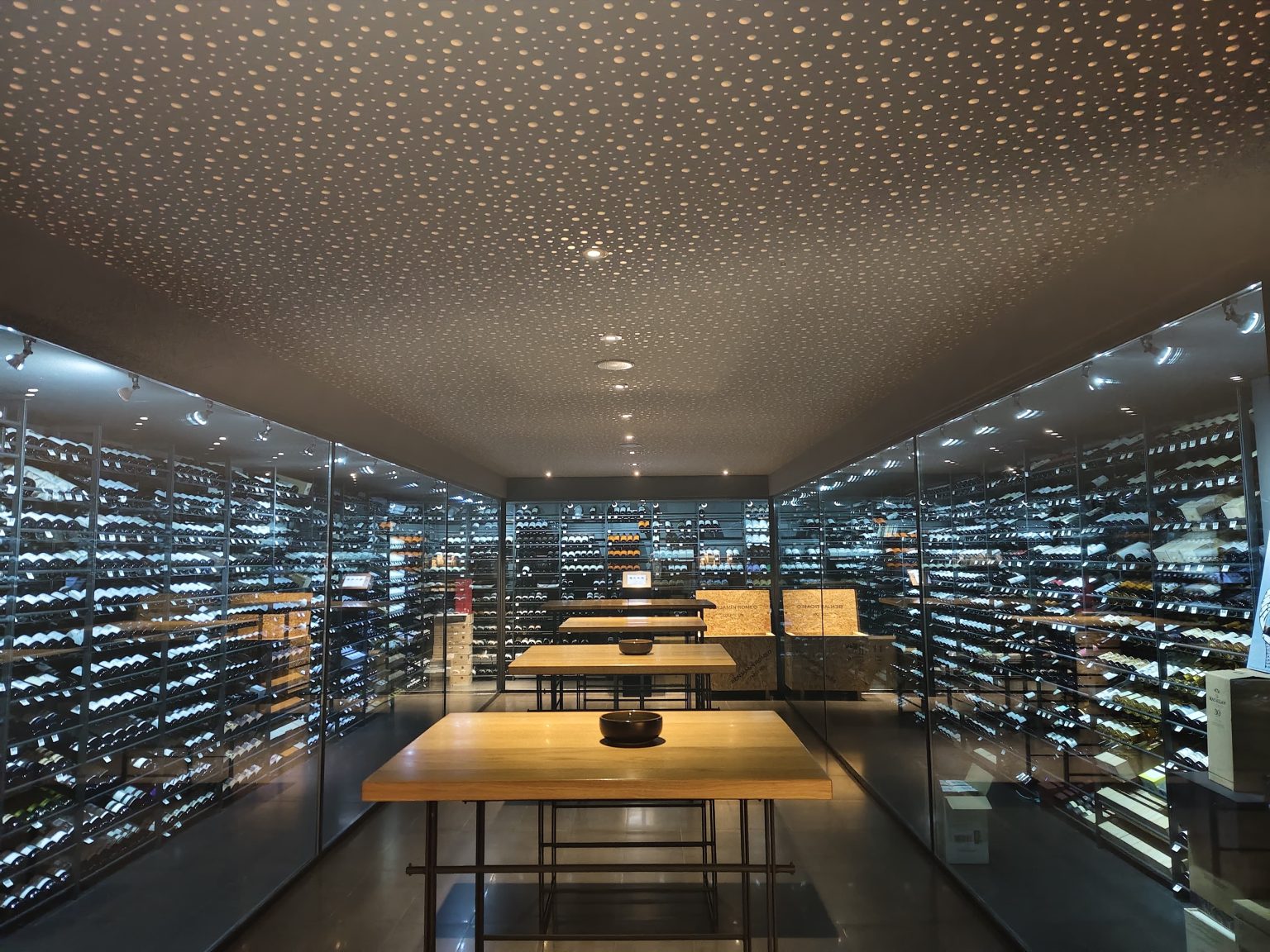
Another mighty river, the Xallas, marks the character of the region of the same name made up of the municipalities of Mazaricos and Santa Comba. The latter is a town where the agricultural and livestock sector shares importance with the mining and industrial sectors. The town and its fairs have been the center of activity in the area for centuries, and they still are. In fact, Santa Comba has a fairground that regularly hosts large events, a municipal hall and smaller establishments prepared for meetings and to accommodate their attendees, such as the Hotel Xallas or the Villas del Retiro da Costiña. Este último nombre será bien conocido para los amantes de la alta gastronomía, pues se trata de uno de los restaurantes más prestigiosos de Galicia. Its cutting-edge cuisine, spectacular wine cellar, and liquor and cigar lounge make it incredibly attractive, so much so that it has held a Michelin star since 2008.
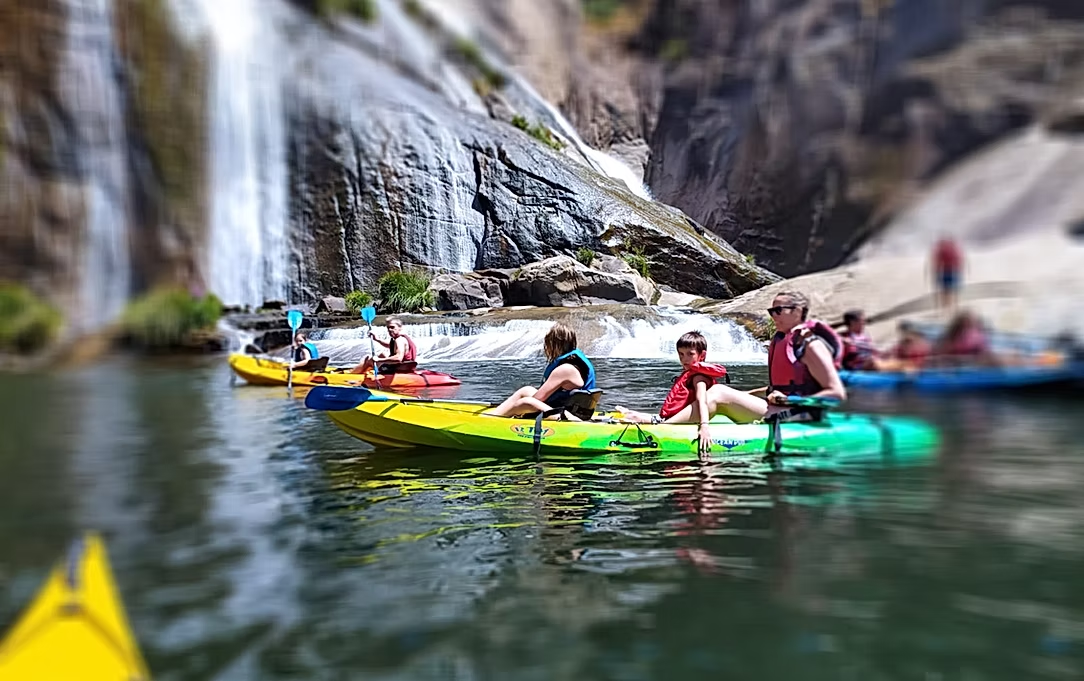
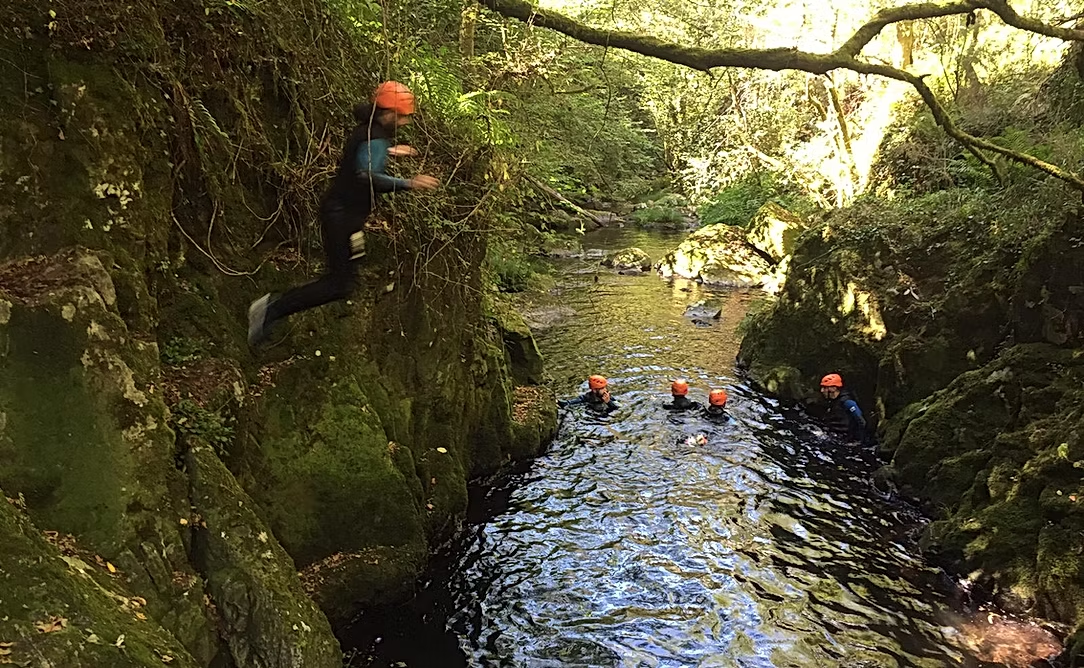
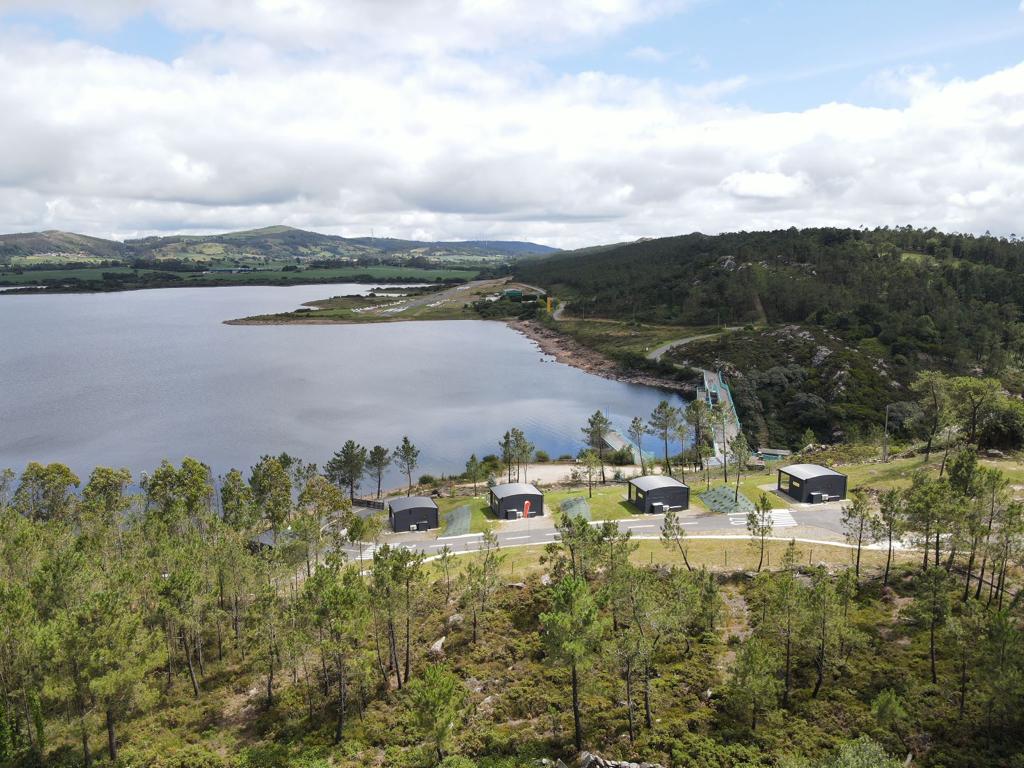
Those who decide to organize an event in this area of the centre of A Coruña have numerous arguments in their favour, such as the great options that exist to program complementary or team building activities. From routes through the numerous waterfalls that adorn the region or the ascent to the impressive viewpoint of Os Picotiños (Mazaricos) and its views of the nearby Costa da Morte; to the hiring of adventure activity companies such as Air Fervenza (Mazaricos, in the reservoir of the same name) or Atlantis Aventura (Santa Comba), this territory guarantees authentic experiences in the middle of nature.
Other regions
Others
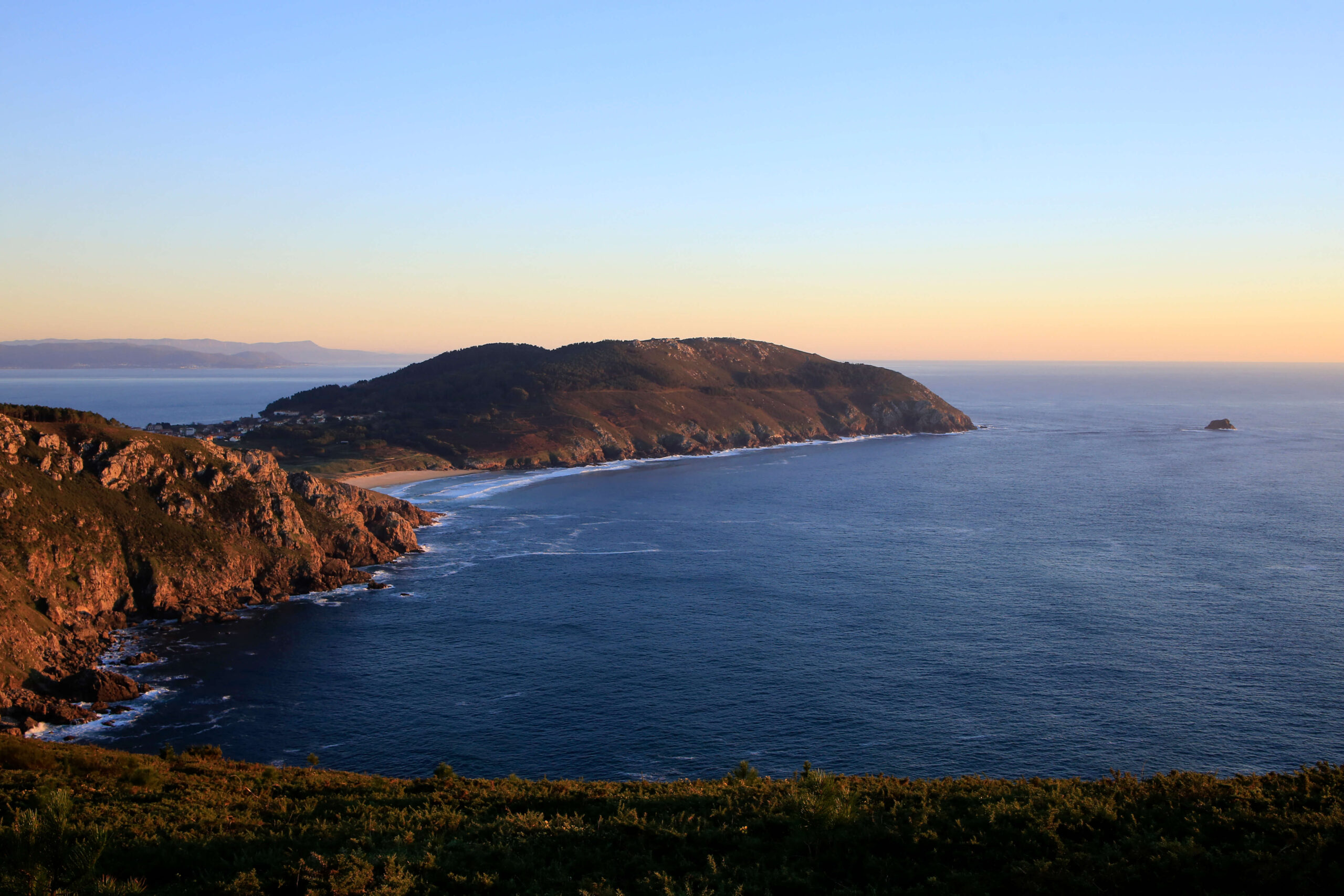
Fisterra-Muxía road in the province of A Coruña

Arzúa and Melide, the agricultural and gastronomic heart of Galicia
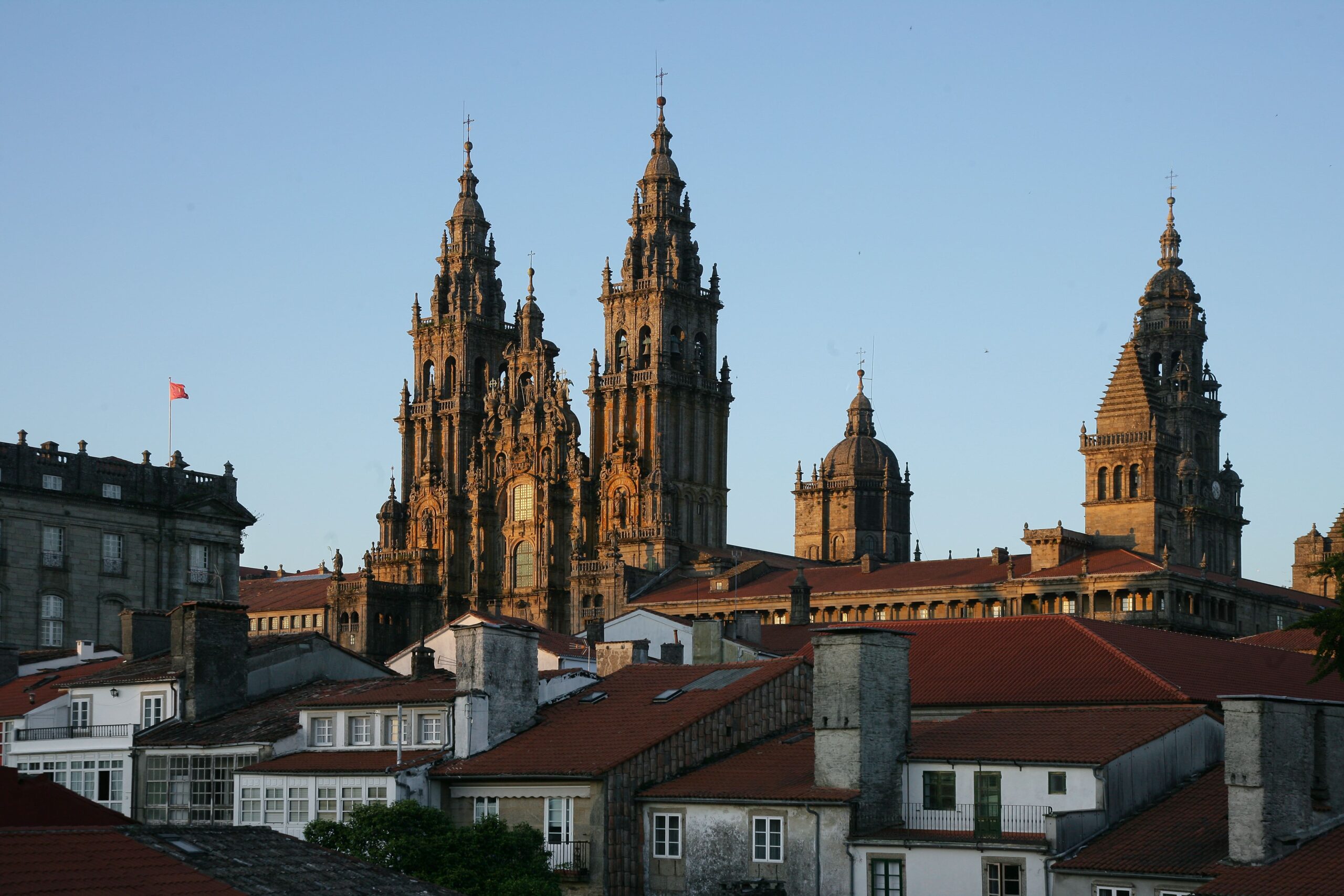
Organizing a congress in Compostela, the Jacobean destination

Designed and developed by Serglo, technological solutions applied to events | Privacy policy | Legal notice